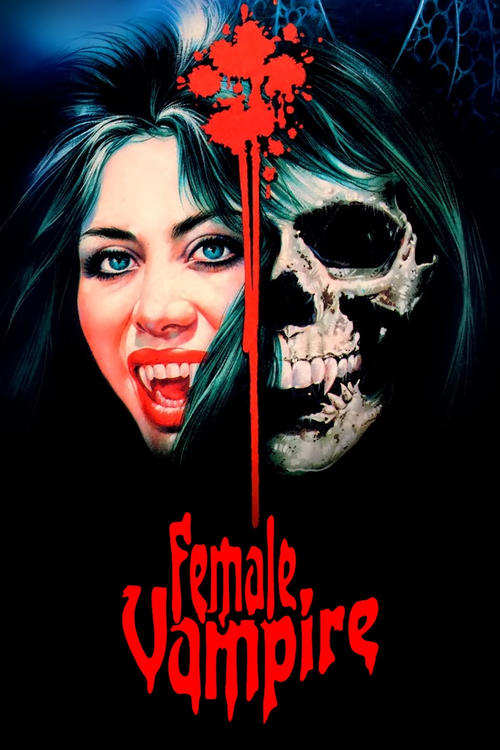
Female Vampire
1975
No user ratings available yet
Representation score: 6.1 out of 10
Representation Score
Fair
1971
UnratedDirector
Jesús Franco
Runtime
90 minutes
Average Rating
No ratings yetNew Showbiz Analysis
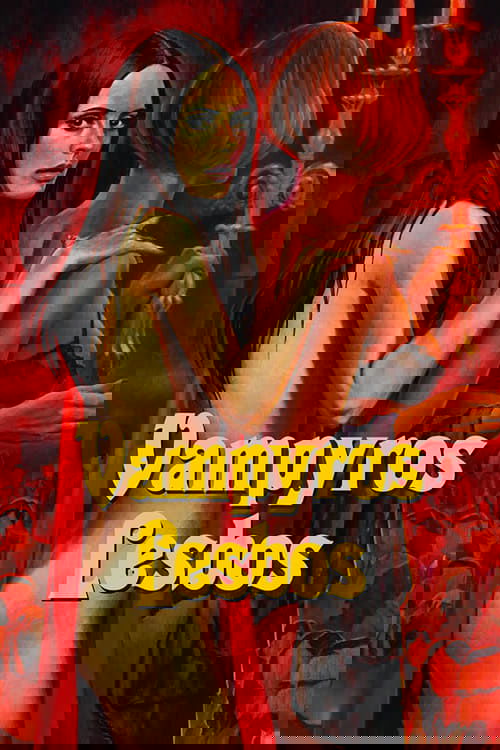
Vampyros Lesbos stands out for its sophisticated disruption of traditional gender and sexual hierarchies. By focusing on same-sex attraction and female autonomy, it challenges the assumption that everyone is straight or cisgender prevalent in early 1970s cinema. However, the film remains demographically traditional for its time. The lack of racial and ethnic diversity significantly impacts the overall score, despite high marks in gender and LGBTQ+ categories. Ultimately, the work is a study in challenging patriarchal structures through a surrealist, individualistic lens, even if it adheres to the period's racial homogeneity.
Category Breakdown
The film focuses on female-to-female eroticism and intimate relationships that aren't based on heterosexual norms. These elements are central to the story's theme and aesthetics, rather than being side plots.
Female characters have a strong presence and play key roles in driving the story. They move away from the traditional damsel in distress cliché and instead take control and exert influence.
The cast is mainly white and uniform, reflecting the Mediterranean setting and the cinematic norms of 1971. There is no evidence of diverse ethnic representation or actors from different backgrounds.
The narrative emphasizes a dream-like quality and personal obsession over strict moral rules. It focuses on individual psychological experiences rather than reinforcing traditional Western social or religious norms.
There are no prominent depictions of visible or invisible disabilities that serve as central character arcs or plot drivers.
Present on Screen
Limited or Absent
Official Synopsis
An erotic horror tale about a vixen vampiress seducing and killing women to appease her insatiable thirst for female blood.
1975
1964
1967
1971
2012
1960
1971

1973
No reviews yet. Be the first to share your thoughts on this movie!
Use the rating form above to leave a star rating and optional review.