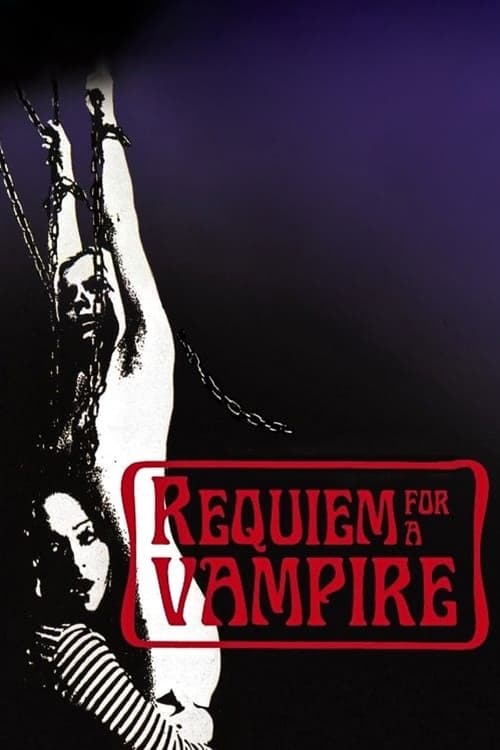
Requiem for a Vampire
1972
No user ratings available yet
Representation score: 8.0 out of 10
Representation Score
Fair
1971
RDirector
Jean Rollin
Runtime
95 minutes
Average Rating
No ratings yetNew Showbiz Analysis
Jean Rollin’s work dismantles traditional horror conventions, especially by focusing on female power and ability to act. This shifts the narrative away from typical victimhood clichés. However, the film’s setting and cast remain homogeneous, reflecting a Eurocentric perspective without much racial diversity. This limits the film’s inclusivity. Overall, the film explores themes of desire and mortality through a surreal, psychological lens, challenging conventional moral frameworks.
Category Breakdown
The film focuses on female-dominated spaces without explicitly featuring queer relationships, but the emphasis on female power subtly challenges traditional gender roles.
Women play key roles in the film, acting as powerful predators rather than victims. This shifts the narrative focus towards female-driven power dynamics.
The setting and cast are predominantly European, reflecting a Eurocentric aesthetic without significant racial or ethnic diversity.
The film critiques structured moral frameworks by emphasizing sensory experiences and dream logic over traditional Western ethics.
The film does not feature any central characters or plot devices that involve physical or neurodivergent disabilities.
Present on Screen
Limited or Absent
Official Synopsis
A newlywed couple travels to a small town to visit the bride's cousins—her last two surviving relatives—at the castle where they live, only to discover that the cousins have just died and the castle is now inhabited by vampires.
1972
1964
1960
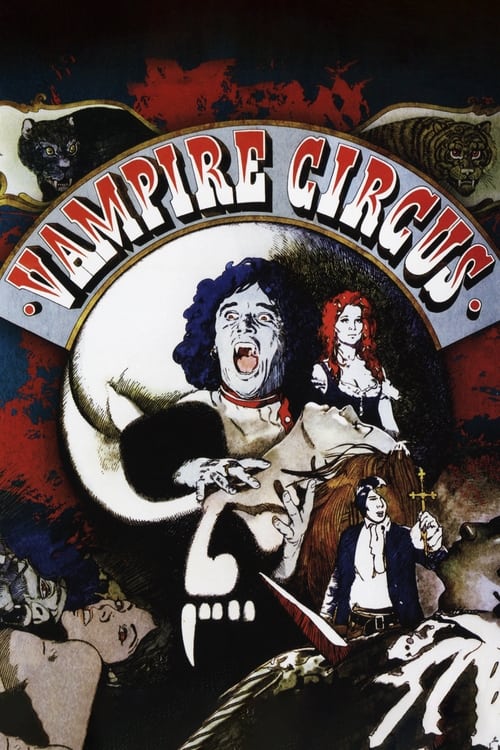
1972
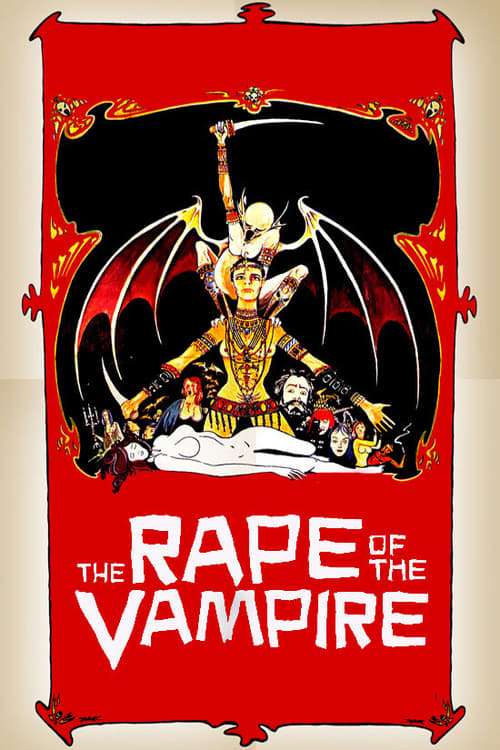
1968
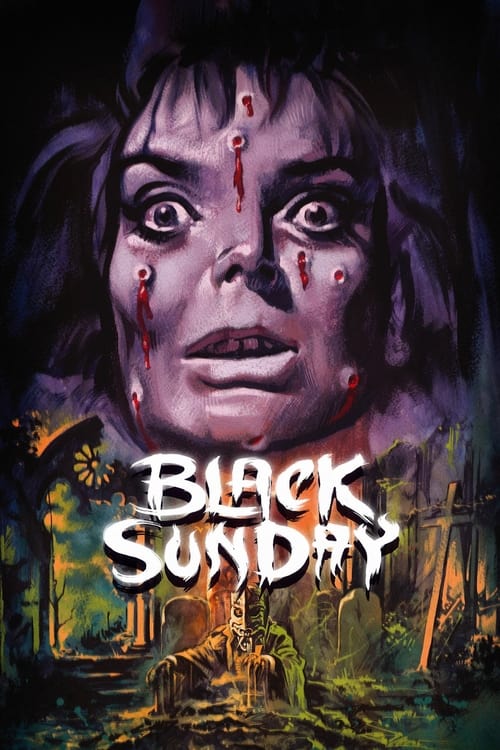
1960
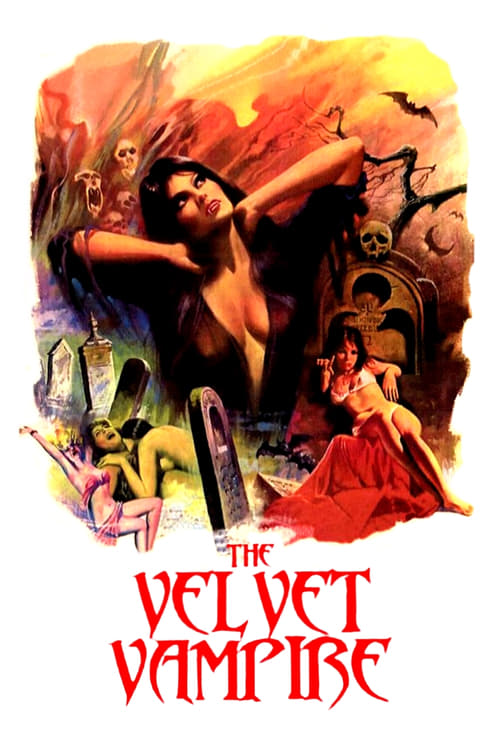
1971

1973
No reviews yet. Be the first to share your thoughts on this movie!
Use the rating form above to leave a star rating and optional review.