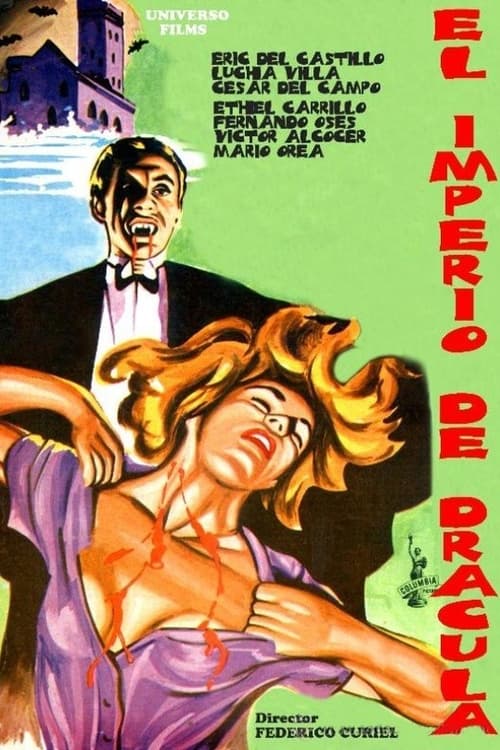
The Empire of Dracula
1967
No user ratings available yet
Representation score: 3.4 out of 10
Representation Score
Limited
1958
Director
Fernando Méndez
Runtime
82 minutes
Average Rating
No ratings yetNew Showbiz Analysis
Set in Mexico during the Golden Age of Mexican cinema, the film offers a meaningful departure from Hollywood-centric racial norms through its local setting and cast. It effectively incorporates local cultural textures into classic horror themes. However, the narrative structure reinforces traditional gender hierarchies of the 1950s. The female protagonist is primarily defined by her vulnerability to the antagonist, and the plot follows conventional moral paths typical of the era. Overall, while the film provides geographic and ethnic diversity, it lacks progressive representation in terms of gender dynamics and LGBTQ+ inclusion.
Category Breakdown
The film does not include any LGBTQ+ characters or narratives. The main conflict revolves around a vampire hunting a woman named Marta for marriage.
Marta González works as a nurse and has a professional role, but she is also portrayed as a vulnerable target of a male predator's obsession. The power dynamics are driven by the antagonist's predatory behavior.
As a Mexican production, the film showcases a non-Anglo-Saxon cast and setting. It uses local geography such as Sierra Negra to move away from Hollywood-centric norms.
The story adheres to traditional morality and supernatural elements typical of the genre. It does not challenge Western or secularist views.
There is no mention of characters with visible or invisible disabilities.
Present on Screen
Limited or Absent
Official Synopsis
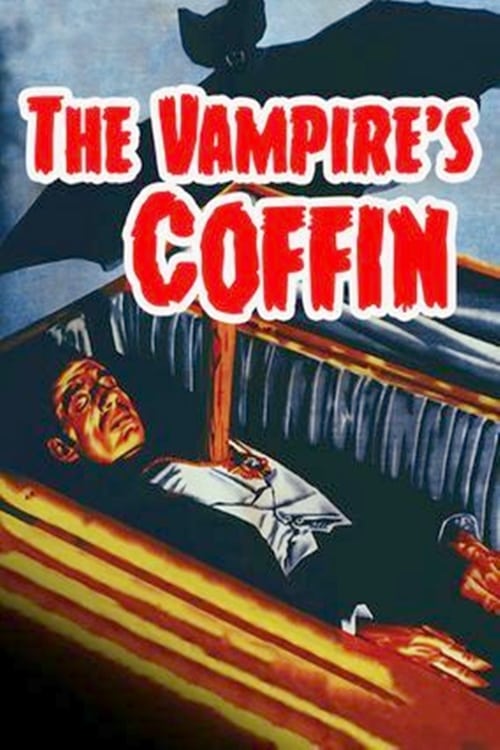
In Sierra Negra, graverobbers Barraza and Mendoza steal the coffin of Count Karol de Lavud, before heading to a hospital. Barraza sees a medallion upon the coffin's opening and demands more money from Mendoza. Meanwhile, Marta González, recovering from traumatic events, works as a nurse with Dr. Saldívar. When Barraza removes the wooden stake in order to steal Lavud's medallion, the vampire returns to life and begins a crime spree, hunting down Marta to marry her.
1967
1960
1957
1964
1971

1973

1973
1971
No reviews yet. Be the first to share your thoughts on this movie!
Use the rating form above to leave a star rating and optional review.