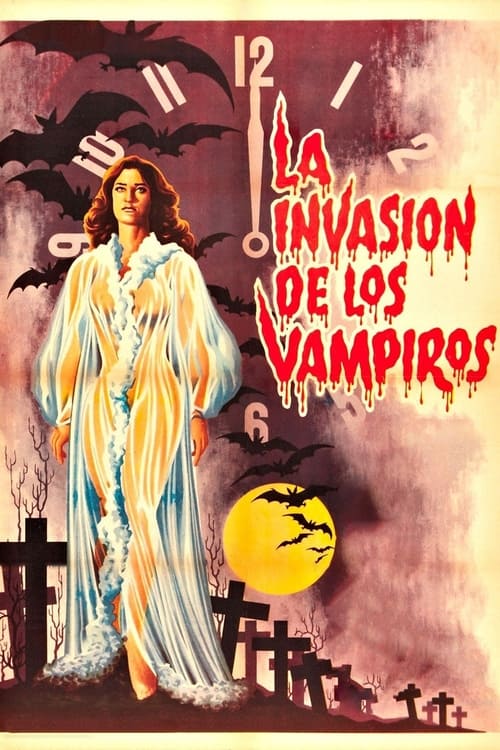
The Invasion of the Vampires
1963
No user ratings available yet
Diversity score: 3.2 out of 10
1962
NRDirector
Miguel Morayta
Runtime
110 minutes
Average Rating
No ratings yetSynopsis
Count Cagliostro, whose family has tried for generations to rid the world of vampires, instructs his daughter and her fiance to protect several valuable documents.
Overall Score
Limited
Category Breakdown
LGBTQ+ Representation
The story focuses on a traditional romantic engagement between a daughter and her fiancé. There is no evidence of non-cisnormative identities or critiques of heteronormativity.
Gender Representation
A female character holds agency by protecting important documents. However, her role is defined by the patriarchal instructions of her father, Count Cagliostro.
Racial & Ethnic Diversity
The film utilizes Eurocentric Gothic tropes centered on an aristocratic Count. There is no indication of intersectional casting or diverse ethnic representation.
Religious & Cultural Diversity
The narrative relies on traditional Gothic motifs and the preservation of family heritage. It follows established Western storytelling structures without subversive themes.
Disability Representation
The film contains no mention of characters navigating physical, neurodivergent, or mental health conditions.
Strengths
Areas for Improvement
AI Analysis
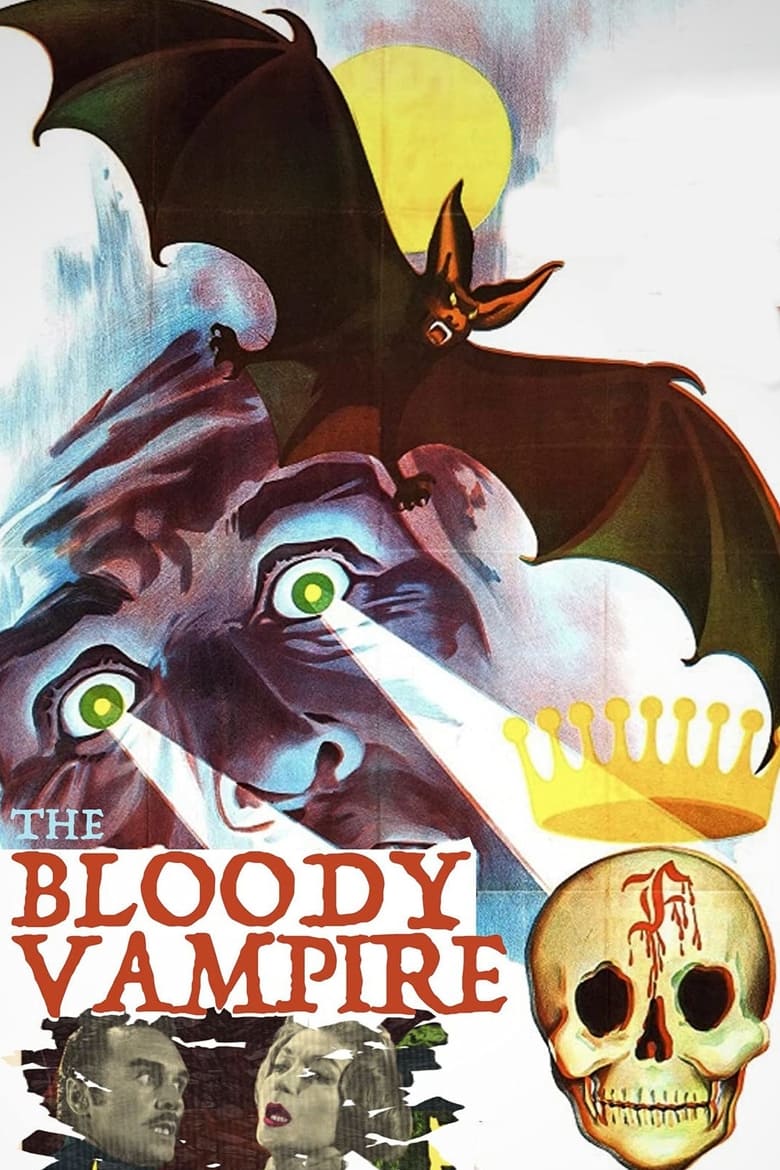
The Bloody Vampire operates strictly within the conventional boundaries of 1960s horror. The plot is driven by traditional themes of lineage, patriarchal duty, and the protection of family legacy. While the female lead possesses a degree of agency, her actions are tethered to the instructions of a male figurehead. The setting and character archetypes reinforce Eurocentric aristocratic norms rather than challenging them. Ultimately, the film adheres to the standard social hierarchies and romantic structures of its era, offering little in the way of progressive or intersectional narrative disruption.
1963
1969
1960
1960
1973
1971
1972
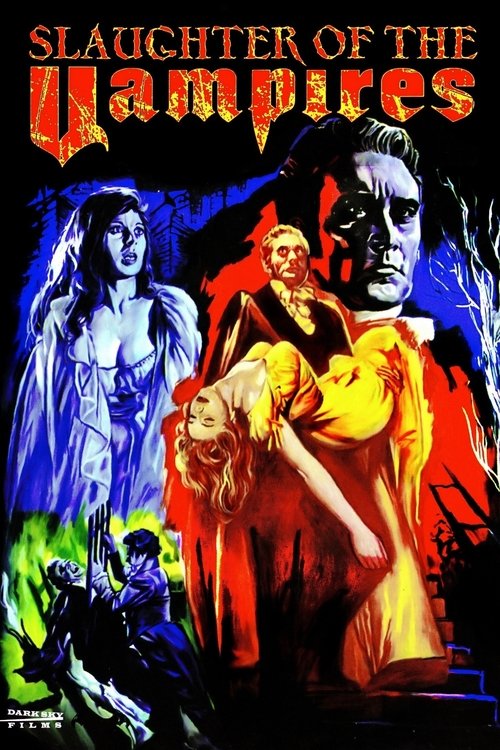
1962

1997
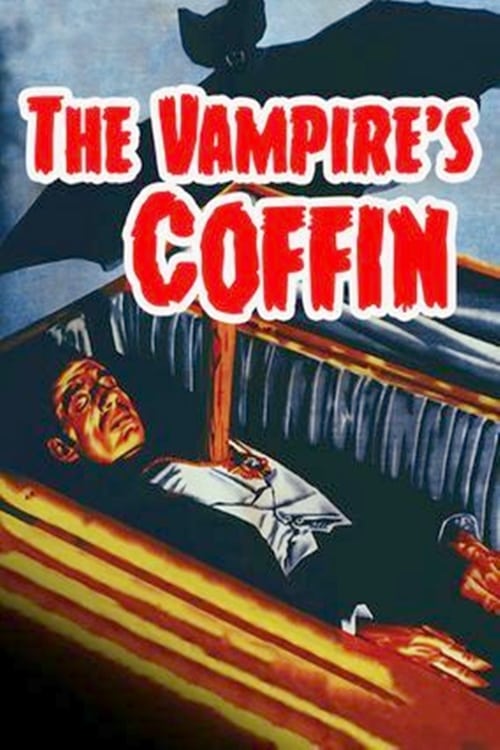
1958
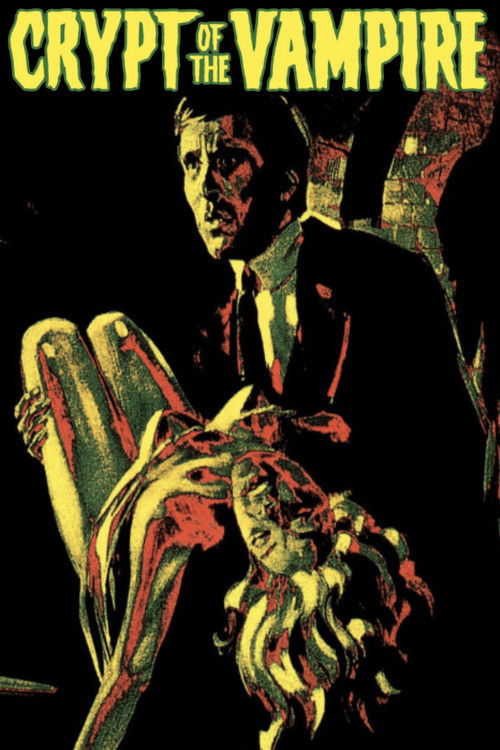
1964

1990
No reviews yet. Be the first to share your thoughts on this movie!
Use the rating form above to leave a star rating and optional review.