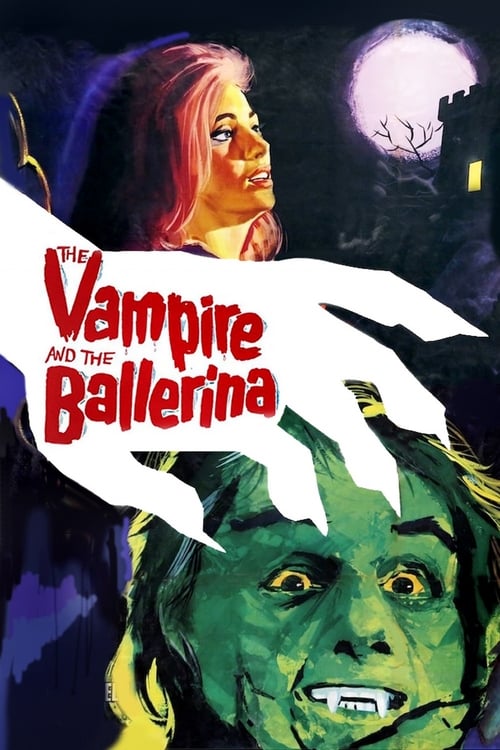
The Vampire and the Ballerina
1960
No user ratings available yet
Representation score: 4.1 out of 10
Representation Score
Limited
1960
Not RatedDirector
Piero Regnoli
Runtime
81 minutes
Average Rating
No ratings yetNew Showbiz Analysis
This film is a product of 1960s Italian exploitation cinema, which focuses on creating tension and suspense rather than addressing social issues. It relies heavily on established horror clichés that reinforce traditional hierarchies. While the plot centers around female characters, they are primarily used to create suspense rather than serving as empowered protagonists. The production lacks the complexity needed to challenge societal norms. Overall, the film reflects the homogeneous casting and narrative conventions typical of its era, offering little in the way of diverse or subversive representation.
Category Breakdown
The film does not include any LGBTQ+ identities or narratives that question heterosexuality. There are no characters who challenge traditional gender roles or sexual norms.
Women play central roles in the film, but they are often portrayed as passive victims in need of rescue. They have limited control over their own fates within the story.
The film features a cast that follows traditional European patterns of the time. There is no representation of non-white or non-Anglo-Saxon characters.
The movie adheres to classic gothic horror themes and escapist conventions. It does not explore narratives that challenge institutional norms or Western cultural traditions.
The film does not feature any characters with visible or invisible disabilities.
Present on Screen
Limited or Absent
Official Synopsis
Sexy nightclub dancers get trapped in a dark, creepy castle for the night.
1960
1964
1971
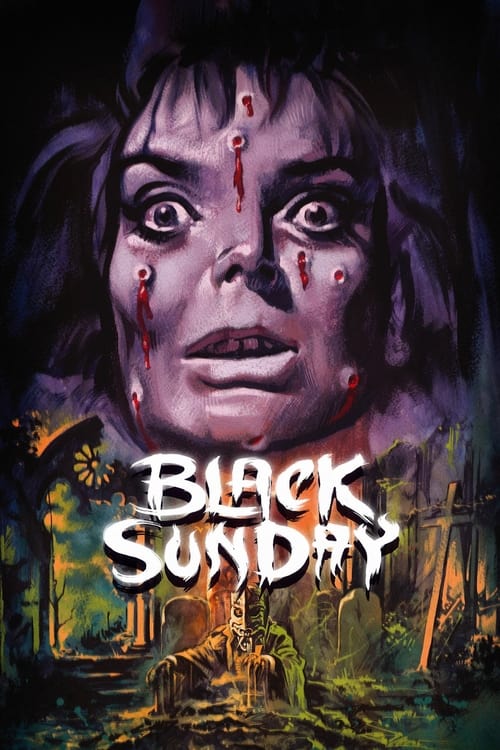
1960
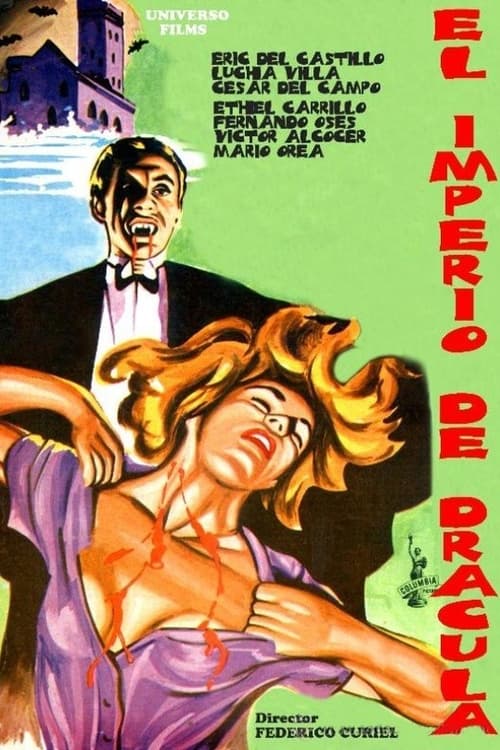
1967
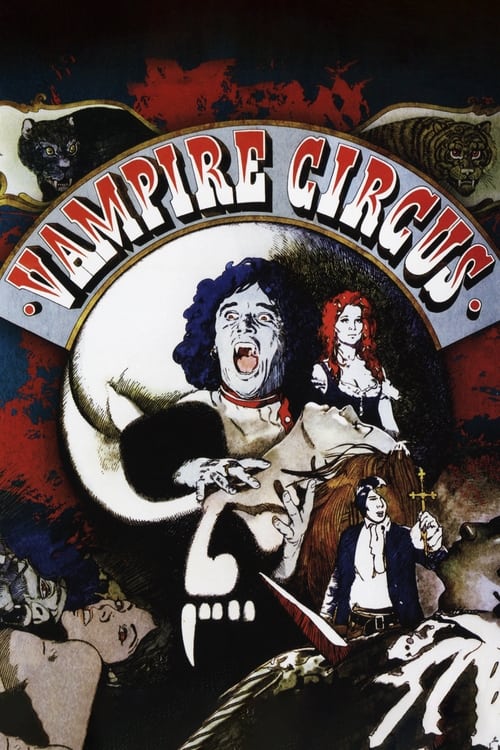
1972
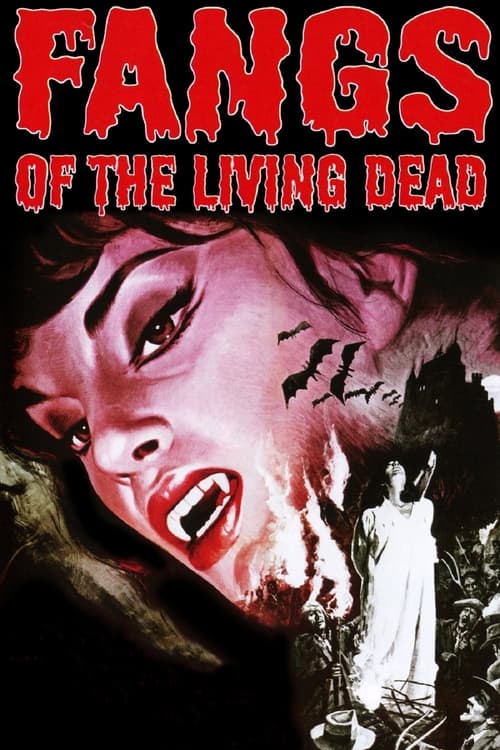
1969

1973
No reviews yet. Be the first to share your thoughts on this movie!
Use the rating form above to leave a star rating and optional review.