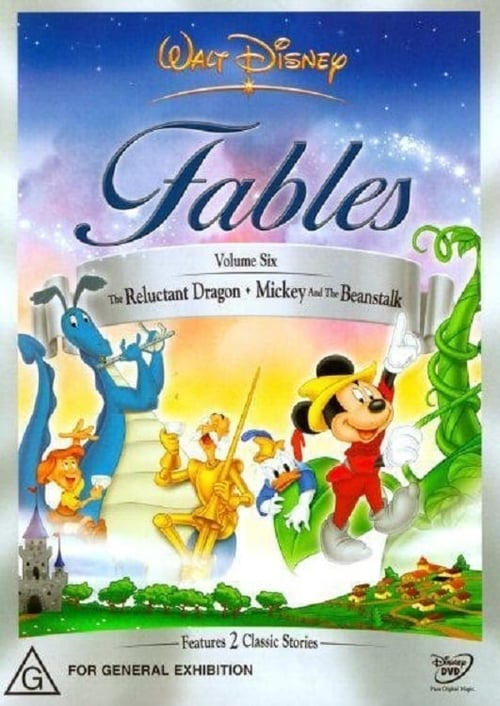
Walt Disney's Fables - Vol.6
2004
No user ratings available yet
Representation score: 2.0 out of 10
Representation Score
Limited
2003
GDirector
Clyde Geronimi, Jack Kinney, George Scribner
Runtime
0 minutes
Average Rating
No ratings yetNew Showbiz Analysis
This compilation of Golden Age animation preserves traditionalist storytelling. The narratives are based on mid-20th-century archetypes that emphasize conventional moral structures and traditional social roles. The content is deeply rooted in Western folklore and Anglo-centric traditions. This historical context leads to a lack of diverse representation, as the stories reinforce established social hierarchies rather than challenging them. Since the material reflects the era of its original production, it lacks substantial representation of diverse racial, gender, or sexual identities. The focus remains on classic, homogeneous character dynamics.
Category Breakdown
The collection does not include any LGBTQ+ characters or non-cisgender identities. Romantic tension is presented through traditional heterosexual relationships, such as Ichabod Crane's pursuit of Katrina.
The character dynamics tend to follow traditional gender roles. In Sleepy Hollow, the plot revolves around masculine competition, while female characters mainly serve as romantic catalysts.
The cast is predominantly white and reflects the era of production. Stories focus on Anglo-centric traditions and Western folklore with minimal racial diversity.
The films celebrate traditional Western folklore and moralism. Narratives reinforce social order and class-based identity without questioning Western institutions.
There are no characters with disabilities shown who play a significant role in driving the story. The Headless Horseman is a supernatural horror figure rather than a nuanced portrayal of disability.
Present on Screen
Limited or Absent
Official Synopsis
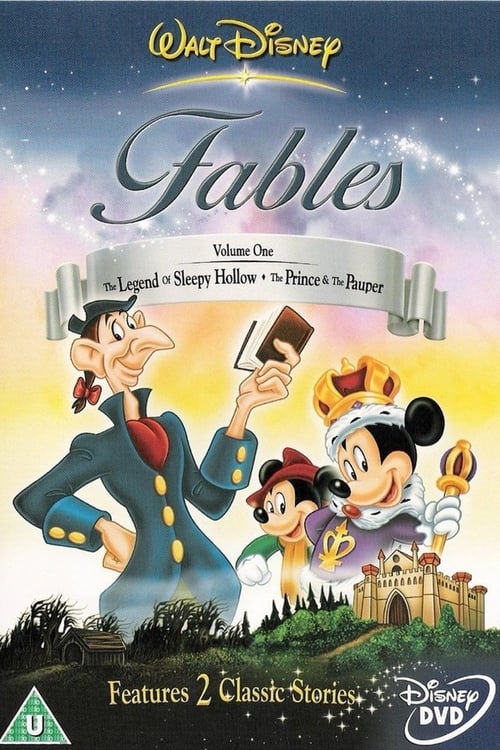
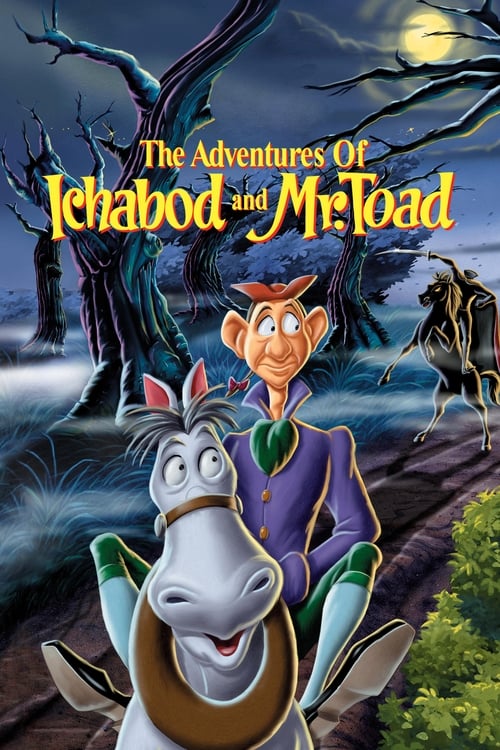
Two animated fables from the Disney studios. In 'The Legend of Sleepy Hollow' Ichabod Crane is besotted by the lovely Katrina but has to contend with Brom Bones, the town bully. Their rivalry leads Crane to the legend of Sleepy Hollow and the headless horseman. In 'The Prince and the Pauper' Mickey, Goofy, Donald and Pluto star in Disney's re-working of the Mark Twain classic.
2004
1949
2004
1939
1938
2004
2005
2003
No reviews yet. Be the first to share your thoughts on this movie!
Use the rating form above to leave a star rating and optional review.