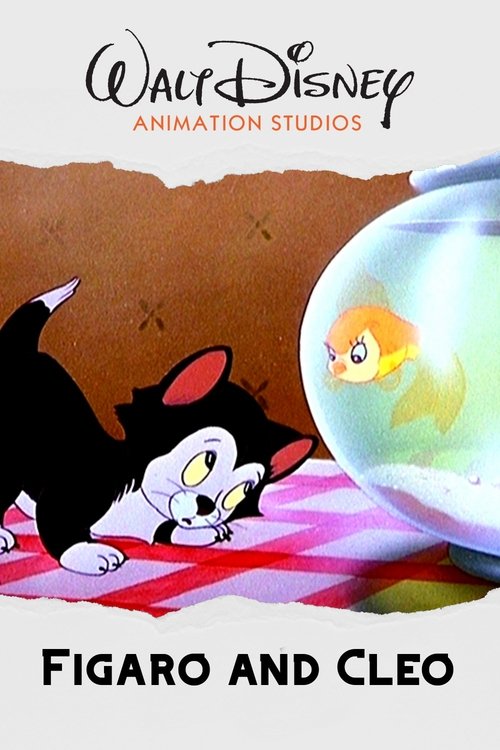
Figaro and Cleo
1943
No user ratings available yet
Representation score: 1.1 out of 10
Representation Score
Minimal
1947
NRDirector
Charles August Nichols
Runtime
7 minutes
Average Rating
No ratings yetNew Showbiz Analysis
This 1947 short is a classic example of mid-century studio animation, prioritizing slapstick comedy over social complexity. The narrative is driven by the primal hunger of Figaro and the obstacles placed in his path, leaving little room for nuanced character development. The film operates within the rigid archetypes of its era. Since the characters are anthropomorphic animals, the production avoids engaging with racial, ethnic, or gender-based social hierarchies, focusing instead on a simple cycle of pursuit. Ultimately, the work lacks the intentionality needed to address diverse identities. It serves as a traditional piece of entertainment that reflects the era's constraints rather than attempting to disrupt conventional social expectations.
Category Breakdown
The film focuses on a predator-prey relationship without depicting LGBTQ+ identities or critiquing the idea that everyone is straight or cisgender.
Minnie Mouse acts as an obstacle in the plot but doesn't play a significant role in driving the story. The central conflict is driven by instinct rather than societal structures based on gender.
The film uses animal characters that don't show visible racial or ethnic diversity. The setting doesn't offer opportunities for diverse representation or cultural blending.
The story follows a simple cycle of pursuit without moral implications. It adheres to traditional animation structures without challenging established institutions or promoting secular themes.
Characters operate within typical slapstick animation abilities. There is no indication of visible or invisible disabilities among the characters.
Present on Screen
Limited or Absent
Official Synopsis
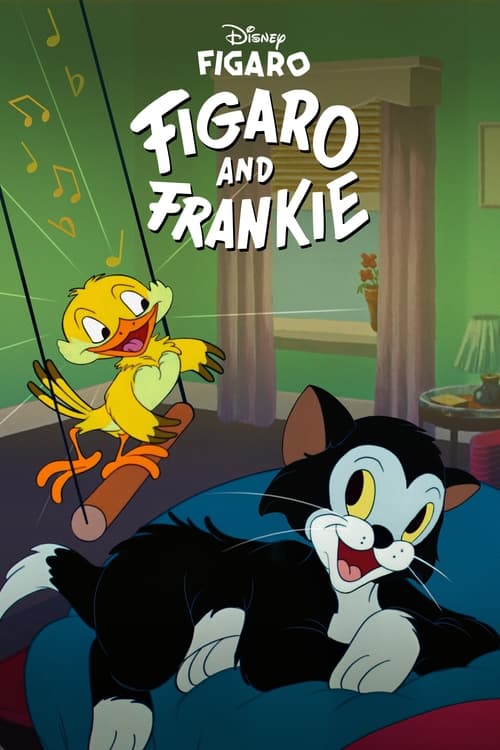
Figaro is hungry for a small, yellow canary named Frankie but must pass a barrier; Minnie Mouse.
1943
1950
1945
1936

1950
1938
1949
1959
No reviews yet. Be the first to share your thoughts on this movie!
Use the rating form above to leave a star rating and optional review.