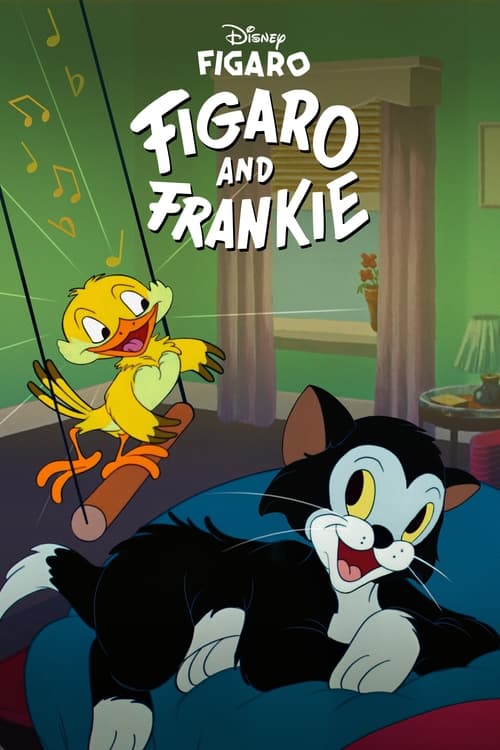
Figaro and Frankie
1947
No user ratings available yet
Representation score: 0.9 out of 10
Representation Score
Minimal
1943
NRDirector
Jack Kinney
Runtime
8 minutes
Average Rating
No ratings yetNew Showbiz Analysis
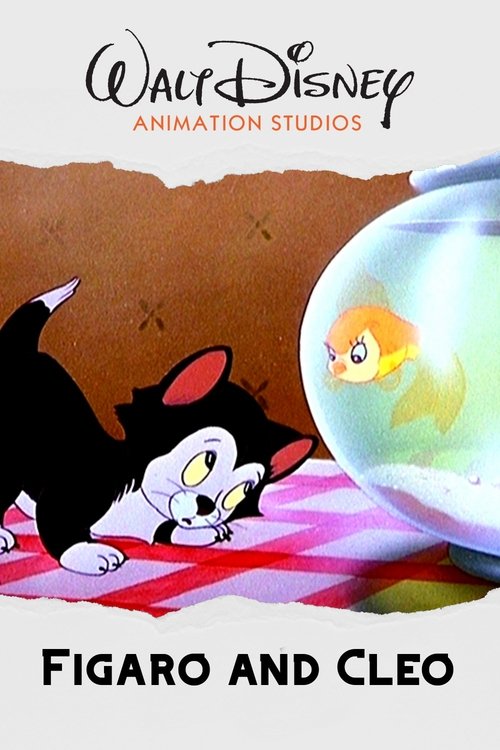
Figaro and Cleo is a product of mid-century animation that prioritizes instinctual, slapstick humor over social complexity. The narrative revolves around a simple predator-versus-prey dynamic, focusing on physical comedy rather than character depth or identity. Because the film centers on animal characters in a domestic environment, it avoids the complexities of human social hierarchies. This results in a work that reinforces traditional structures and lacks intentionality regarding the overlapping aspects of identity. Ultimately, the short functions as a standard comedic piece of its era, offering little in the way of cultural, racial, or gendered diversity.
Category Breakdown
The film focuses on a cat and a goldfish in a predatory relationship and does not include any representation of non-traditional gender identities or relationships that challenge the assumption that everyone is straight or cisgender.
The slapstick humor relies on traditional chase-and-evade scenarios typical of 1940s comedies, where characters follow conventional comedic roles without challenging gender stereotypes.
The short features anthropomorphic animals in a domestic setting and lacks a diverse human cast, reflecting the homogeneous standards of early animation production.
The story follows traditional Western comedic structures, presenting a simple struggle of nature without critiquing systemic power or social institutions.
The characters operate within standard physical parameters for animation, and there is no depiction of neurodivergence or physical disabilities in the narrative.
Present on Screen
Limited or Absent
Official Synopsis
Figaro the cat wants to eat Cleo the goldfish in this Pinocchio short.
1947
1945
1947
1936
1950
1942
1950
1949
No reviews yet. Be the first to share your thoughts on this movie!
Use the rating form above to leave a star rating and optional review.