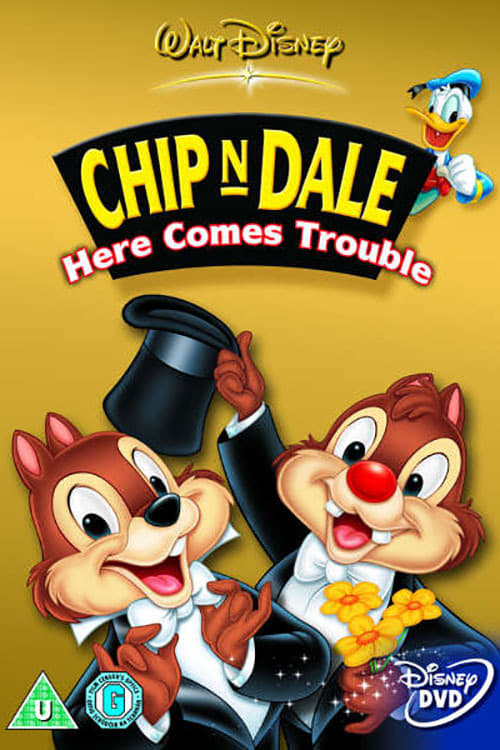
Chip 'n' Dale: Here Comes Trouble
2004
No user ratings available yet
Representation score: 1.6 out of 10
Representation Score
Minimal
2005
Director
Jack Hannah
Runtime
52 minutes
Average Rating
No ratings yetNew Showbiz Analysis
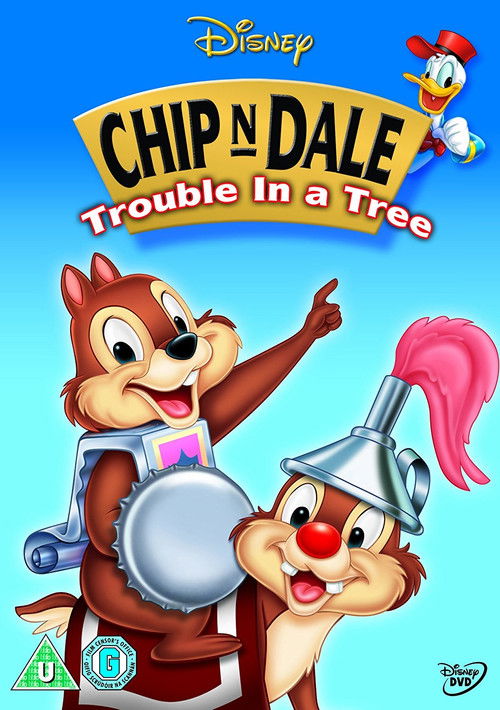
Chip 'n Dale: Trouble in a Tree is a traditional piece of legacy animation built on episodic slapstick. The narrative structure prioritizes broad family appeal through established character archetypes rather than social commentary. The film avoids challenging existing hierarchies or introducing perspectives that reflect multiple aspects of identity. Instead, it maintains a highly conventional framework that focuses on physical conflict and domestic settings. Because the characters are anthropomorphic animals in a homogeneous forest, the work lacks the complexity needed to engage with human racial, ethnic, or identity-driven storytelling.
Category Breakdown
The film features anthropomorphic animals engaged in slapstick comedy. There are no depictions of non-straight or non-cisgender identities or same-sex relationships.
Gender dynamics rely on traditional comedic archetypes centered around male-coded characters like Donald Duck. Interactions prioritize physical humor over challenging traditional gender roles.
As an animated feature with animal characters, the film lacks human racial diversity. The forest setting and characters do not represent various ethnic backgrounds.
The narrative follows conventional Western storytelling, emphasizing traditional seasonal celebrations like Christmas. It reinforces typical social cohesion and family-friendly entertainment values.
No visible or invisible disabilities are shown. Characters function through standard physical abilities without addressing neurodivergent or chronic illness stories.
Present on Screen
Limited or Absent
Official Synopsis
The most mischievous characters to ever come out of Disney studios, Chip ‘N’ Dale are cute, cuddly and always in the centre of trouble. Here is a special collection of their adventures that will have you and your family laughing again and again. Donald Duck goes nuts when he finds himself "Out On A Limb" as he tries to prune Chip ‘N’ Dale’s tree home! In "Corn Chips", Donald convinces them to shovel his snowy sidewalk but ends up shovelling popcorn! Next, it’s Christmas and Chip ‘N’ Dale fight with Donald over the goodies under his tree in "Toy Tinkers". Guess who invite themselves over for Donald’s pancakes in "Three For Breakfast"?
2004
1999

1951
2005
1995
2012
2003
1950
No reviews yet. Be the first to share your thoughts on this movie!
Use the rating form above to leave a star rating and optional review.