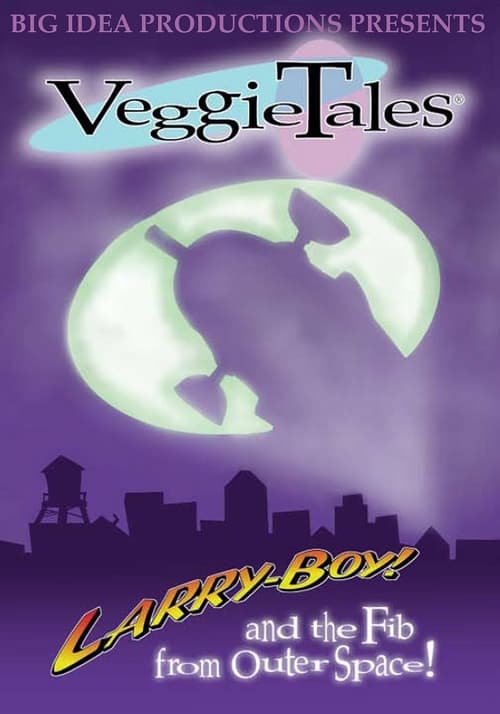
VeggieTales: LarryBoy & the Fib from Outer Space!
1997
No user ratings available yet
Representation score: 1.8 out of 10
Representation Score
Minimal
1995
UnratedDirector
Chris Olsen, Phil Vischer
Runtime
31 minutes
Average Rating
No ratings yetNew Showbiz Analysis
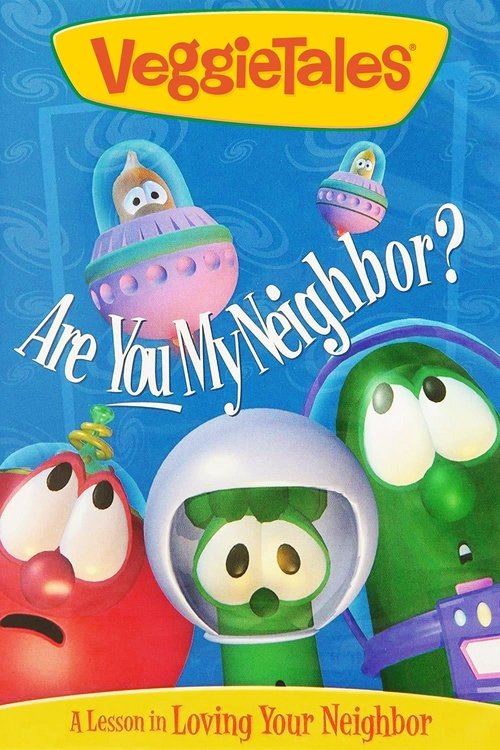
VeggieTales: Are You My Neighbor? serves primarily as a tool for religious education. Its narrative structure reinforces traditional Western and spiritual hierarchies through anthropomorphic characters. While the vegetable format avoids traditional racial signifiers, the film does not use its non-human characters to explore diverse cultural or multi-layered identities. The focus remains on moral absolutism and community cohesion. Ultimately, the film prioritizes religious instruction over progressive narrative elements, reinforcing established social structures without challenging them.
Category Breakdown
The film does not depict any non-binary gender identities or same-sex relationships. The character interactions are based on traditional community bonds without any queer themes.
The characters follow traditional gender roles within a conventional social structure. The story emphasizes obedience to established moral authorities and upholds traditional gender norms.
Since the characters are anthropomorphic vegetables, there are no traditional racial markers. The film does not use its non-human characters to explore diverse cultural backgrounds or multi-layered identities.
The stories center on Christian morals and biblical teachings. The narrative emphasizes traditional Western values, such as religious devotion and respect for authority.
The film does not address physical or neurodivergent disabilities. Characters mainly serve as vehicles for moral lessons rather than nuanced representations of lived experiences.
Present on Screen
Limited or Absent
Official Synopsis
Two stories, told by the VeggieTales gang, talk about why it's important to love your neighbor. "The Story of Flibber-O-Loo": The inhabitants of the towns Flibber-O-Loo and Jibberty-Lot, who are constantly fighting, attempt to make peace with each other. "The Gourds Must Be Crazy": The USS Applepies is in the path of a giant meteor! Scooter and Junior Asparagus frantically work to fix the ship's engines, but will they rely on oddball crewmembers Jimmy and Jerry Gourd to help them?
1997
2002

2001

1993
1994
2000
2005
1999
No reviews yet. Be the first to share your thoughts on this movie!
Use the rating form above to leave a star rating and optional review.