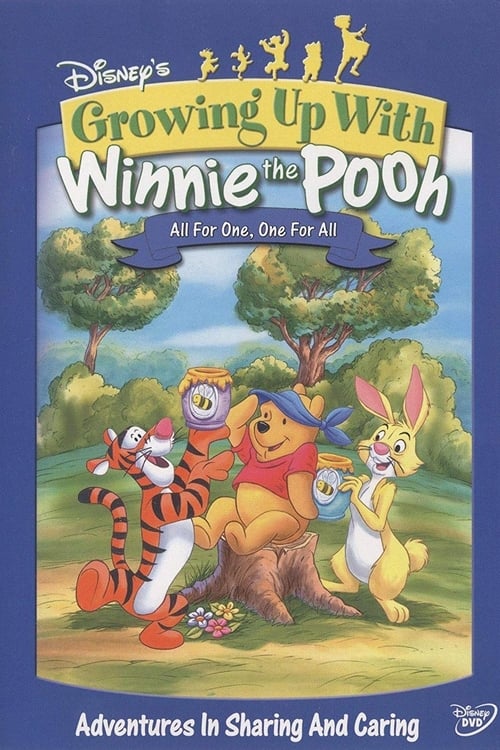
The Magical World of Winnie the Pooh: All for One, One for All
2003
No user ratings available yet
Representation score: 3.6 out of 10
Representation Score
Limited
1995
PGRuntime
30 minutes
Average Rating
No ratings yetNew Showbiz Analysis
This compilation from *The New Adventures of Winnie the Pooh* prioritizes gentle social cohesion and interpersonal dynamics. The narrative structure emphasizes moral simplicity and stability, focusing on the small-scale social conflicts of an anthropomorphic community. Since the setting uses animal characters, it lacks intentional diversity in ethnicity or race. The themes are rooted in traditional 1990s children's media, highlighting kindness and friendship within a conventional social framework. Overall, the work does not aim to challenge social hierarchies or promote progressive values, instead offering a localized, low-stakes world of character-driven whimsy.
Category Breakdown
The story emphasizes platonic relationships and community care. There are no characters with non-binary genders or same-sex romantic relationships.
The characters follow typical gender roles without challenging gender hierarchies. The story focuses on character-driven humor rather than exploring gender roles.
The Hundred Acre Wood uses animal characters, avoiding ethnic representation. The cast is made up of a homogeneous group of animals, lacking diverse identities.
The plot centers on traditional communal values and seasonal customs like Valentine's Day. It presents a stable, idealized social order without critiquing cultural norms.
There is no explicit representation of neurodivergence or physical disabilities. Eeyore’s sadness is portrayed as a personality trait rather than a nuanced look at mental health.
Present on Screen
Limited or Absent
Official Synopsis
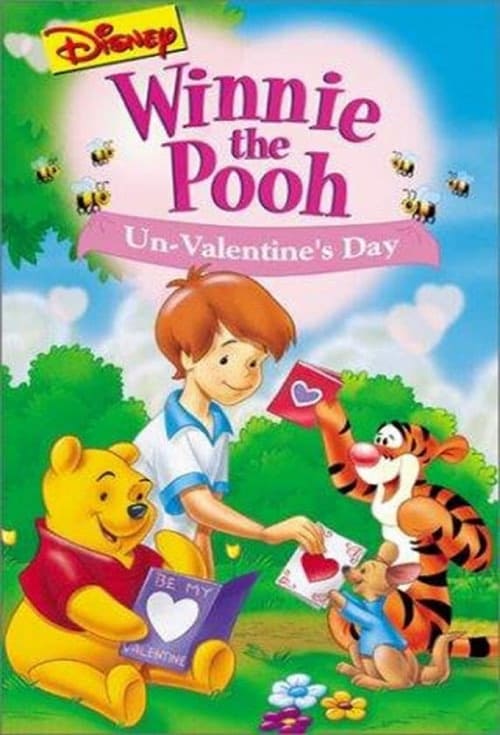
It's the time of year when Pooh and his pals like to show how much they care. But Rabbit insists they cancel Valentine's Day because of the flood of cards that littered the Hundred Acre Wood last year! Reluctantly, everyone agrees, until someone anonymously sends Pooh a pot of honey. Contains stories from two episodes of the series The New Adventures of Winnie the Pooh - 'Un-Valentine’s Day' and 'Three Little Piglets'
2003
2002

1999

1997
1996

1977
1999
1999
No reviews yet. Be the first to share your thoughts on this movie!
Use the rating form above to leave a star rating and optional review.