
Dries
2017
No user ratings available yet
Diversity score: 5.0 out of 10
2018
Director
Thomas Tielsch, Niels Bolbrinker
Runtime
95 minutes
Average Rating
No ratings yetSynopsis
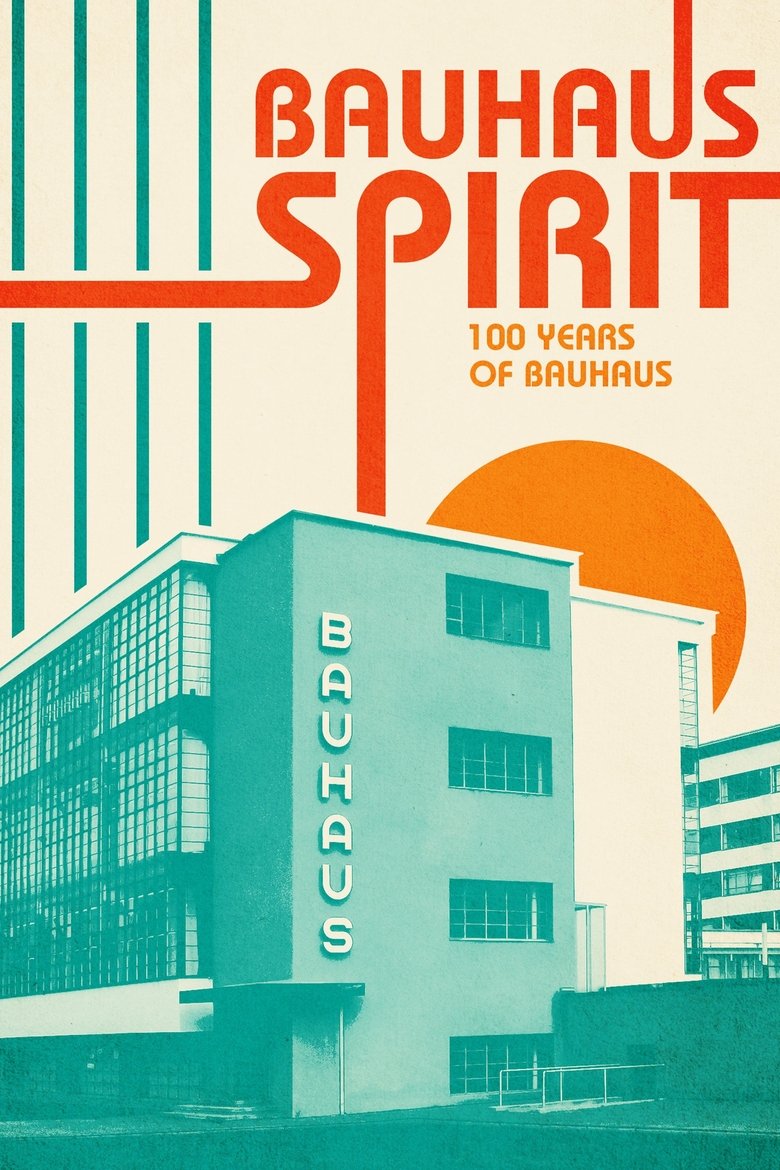
Founded in 1919 by Walter Gropius, Bauhaus was supposed to unite sculpture, painting, design and architecture into a single combined constructive discipline. It is a synthesis of liberated imagination and stringent structure; cross-medial concepts that embellish and enrich our existence, illumination and clarity, order and playfulness. But Bauhaus was never just an artistic experiment. Confronted with the social conditions of that particular time, as well as the experience of WWI, the movement concerned itself with the political and social connotations of design from the very outset. Hence, Bauhaus history is not just the history of art, but also the history of an era that stretches from the early 20th century to the modern day.
Overall Score
Fair
Category Breakdown
LGBTQ+ Representation
The film lacks a visible or intentional focus on queer narratives. While the movement included figures with non-traditional identities, they are not central to this documentary's celebratory framework.
Gender Representation
The documentary touches on shifting social roles during the Weimar Republic era. However, it prioritizes philosophical and structural contributions over a dedicated subversion of gender hierarchies.
Racial & Ethnic Diversity
The narrative centers on European origins and the Western modernist canon. It offers little emphasis on non-Western perspectives or the deconstruction of Eurocentric design hegemony.
Religious & Cultural Diversity
The film frames design as a tool for social reconfiguration rather than an elite pursuit. It emphasizes liberated imagination to disrupt traditional, conservative aesthetic hierarchies.
Disability Representation
There is no specific evidence regarding the portrayal of neurodivergence or physical disabilities within this documentary.
Strengths
Areas for Improvement
AI Analysis
Bauhaus Spirit provides a scholarly look at how design responds to socio-political upheavals. It successfully frames the movement as a tool for social change rather than just an aesthetic experiment. However, the film remains tethered to the historical evolution of Western modernism. It lacks an intersectional lens, focusing more on the movement's structural legacy than on identity politics. Ultimately, the documentary offers meaningful historical context but misses the opportunity to explore the diverse identities that shaped or were shaped by the movement.
2017
2014
1998

1990

2008
1998
1972
1984
1997
2010
2019
2025
No reviews yet. Be the first to share your thoughts on this movie!
Use the rating form above to leave a star rating and optional review.