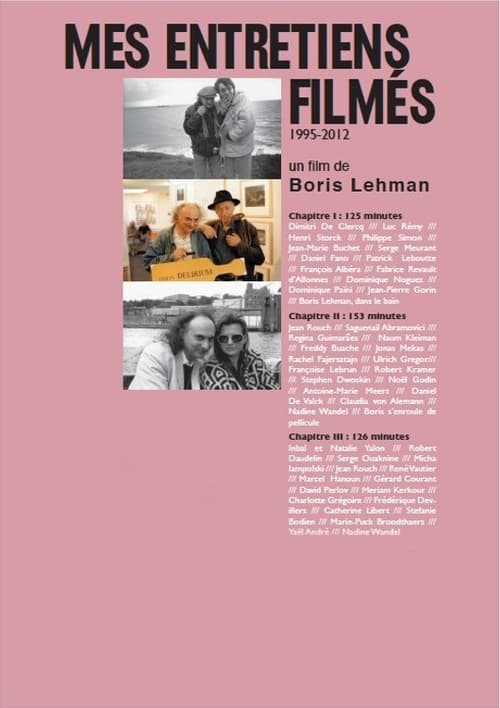
My Conversations on Film
2013
No user ratings available yet
Representation score: 5.3 out of 10

Representation Score
Limited
1998
Not RatedDirector
Jim Shedden
Runtime
75 minutes
Average Rating
No ratings yetNew Showbiz Analysis
Jim Shedden’s documentary serves as a historical record of avant-garde film theory. It aims to celebrate the technical and philosophical contributions of Stan Brakhage rather than engage in social commentary. Operating within a specialized artistic niche, the film does not actively challenge traditional social hierarchies. The narrative emphasizes the legacy of a singular male creator, limiting characters who reflect more than one aspect of diversity. Overall, the film focuses on the history of cinematic aesthetics, functioning as a study of filmic possibilities rather than a platform for exploring diverse social identities or systemic issues.
Category Breakdown
The documentary explores the evolution of non-narrative cinema from a technical and philosophical perspective. It includes interviews with various individuals but does not delve deeply into LGBTQ identity.
The film highlights the work of male filmmaker Stan Brakhage. While his family and colleagues appear, the intellectual focus remains centered on the male artist.
The movie examines a particular segment of American avant-garde cinema. Its focus on Brakhage’s network in Boulder and New York reflects the historical composition of these artistic movements.
By showcasing abstract art outside commercial contexts, the film questions capitalist media norms. However, it celebrates individual legacies without critiquing broader Western institutions.
The film does not primarily address physical or neurodivergent disabilities. These elements might be present in archival footage but are not central to the main narrative.
Present on Screen
Limited or Absent
Official Synopsis
BRAKHAGE explores the depth and breadth of the filmmaker’s genius, the exquisite splendor of his films, his magic personal charm, his aesthetic fellow travelers, and the influence his work has had on generations of other creators. While touching on significant moments in Brakhage’s biography, the film celebrates Brakhage’s visionary genius, and explores the extraordinary artistic possibilities of cinema, a medium mostly known only for its commercial applications in the form of narratives, cartoons, documentaries, and advertising. BRAKHAGE combines excerpts from Brakhage’s films and films of other avant-garde filmmakers (eg, George Kuchar, Jonas Mekas, Willie Varela, Bruce Elder, and others); interviews with Brakhage, his friends, family, colleagues, and critics; archival footage of Brakhage spanning the past thirty-five years; and location shooting in Boulder, Colorado and New York.
2013
1929
2015
2008

1972
2017

1974
1997
No reviews yet. Be the first to share your thoughts on this movie!
Use the rating form above to leave a star rating and optional review.