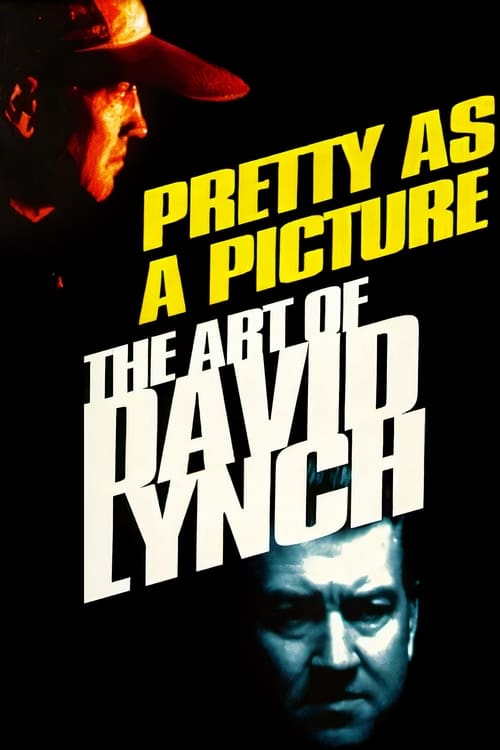
Pretty as a Picture: The Art of David Lynch
1997
No user ratings available yet
Diversity score: 5.1 out of 10
1997
TV-14Director
Mel Stuart
Runtime
60 minutes
Average Rating
No ratings yetSynopsis
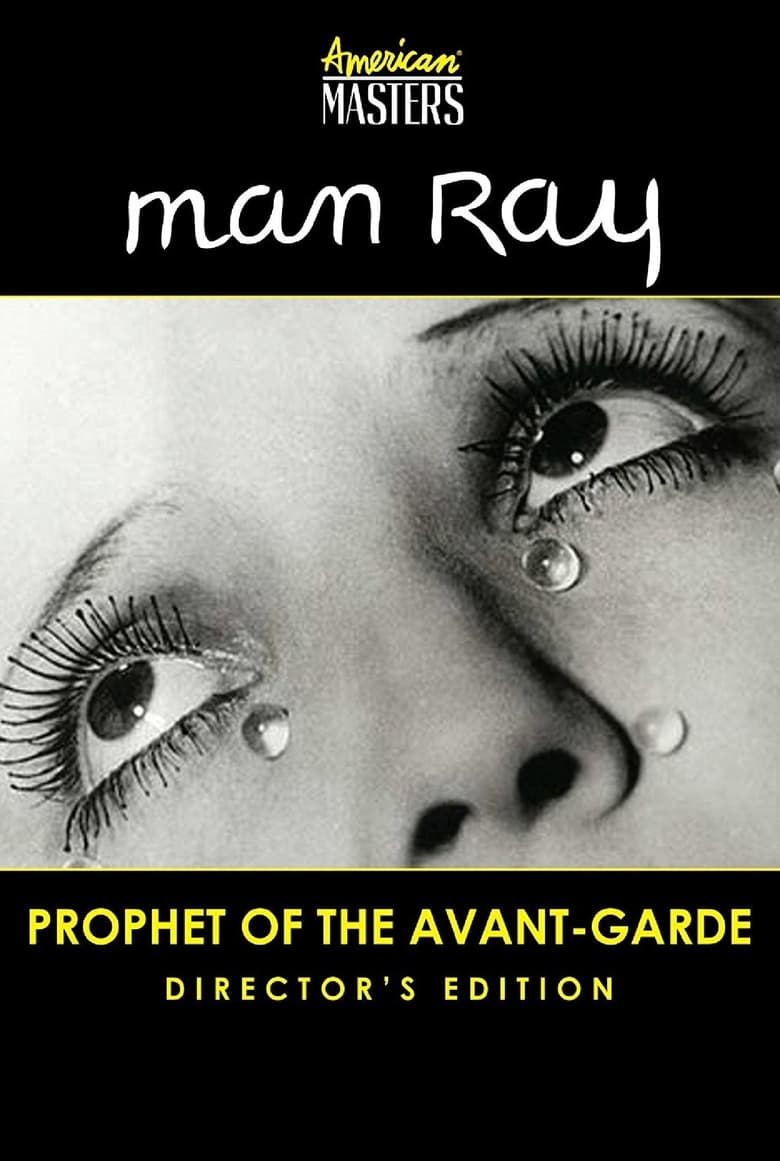
Man Ray, the master of experimental and fashion photography was also a painter, a filmmaker, a poet, an essayist, a philosopher, and a leader of American modernism. Known for documenting the cultural elite living in France, Man Ray spent much of his time fighting the formal constraints of the visual arts. Ray’s life and art were always provocative, engaging, and challenging.
Overall Score
Fair
Category Breakdown
LGBTQ+ Representation
The film explores the life of a Surrealist figure, a movement known for fluid approaches to gender and sexuality. The narrative engages with non-heteronormative aesthetics by focusing on a provocative artist.
Gender Representation
The documentary centers on a male figurehead of American modernism. While the French cultural elite included female artists, the narrative architecture focuses primarily on the male protagonist's artistic struggles.
Racial & Ethnic Diversity
The film documents a Eurocentric and Anglo-centric milieu in France. The focus remains on Western modernist traditions, which historically lacked significant racial diversity within these primary social circles.
Religious & Cultural Diversity
The film celebrates the avant-garde and the deconstruction of traditional Western aesthetic institutions. By framing Man Ray as a prophet against formal constraints, it aligns with anti-establishment themes.
Disability Representation
There is no explicit evidence regarding the portrayal of physical or neurodivergent disabilities within the film.
Strengths
Areas for Improvement
AI Analysis
The documentary serves as a biographical study of modernist disruption. It finds its strength in thematic commitments to challenging institutional norms and exploring aesthetic fluidity through the lens of the Surrealist movement. However, the film lacks significant intersectional breadth. The narrative is heavily centered on a male protagonist and a historically Eurocentric social circle, limiting the representation of diverse racial and gendered agency. Ultimately, the work functions more as a historical exploration of Western modernism than a diverse social tapestry, prioritizing the disruption of artistic constraints over broad demographic representation.
1997
2018
2014

1965
2019
2016
2016
1986
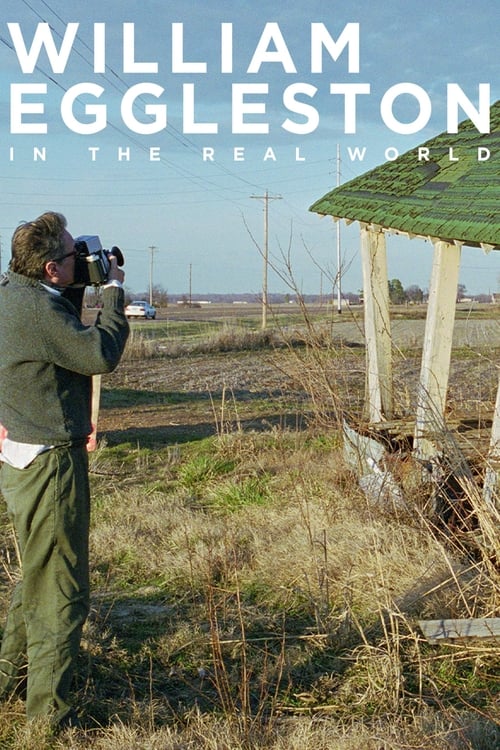
2005
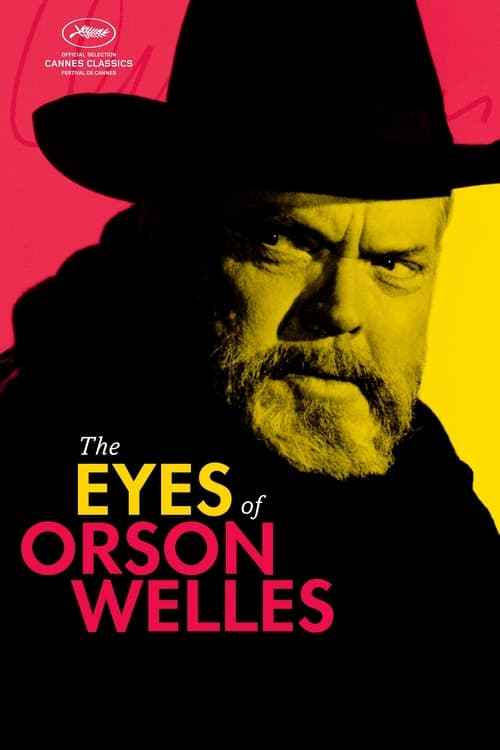
2018
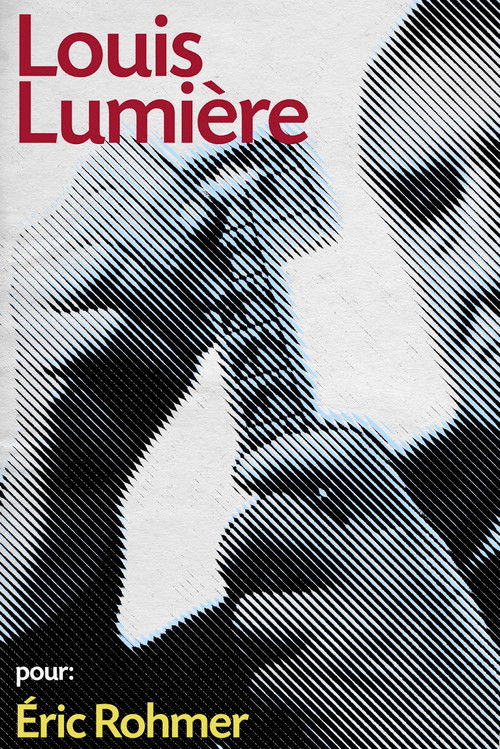
1968

2017
No reviews yet. Be the first to share your thoughts on this movie!
Use the rating form above to leave a star rating and optional review.