
Visual Acoustics
2008
No user ratings available yet
Representation score: 3.2 out of 10
Representation Score
Limited
1972
Director
Robert Fulton
Runtime
53 minutes
Average Rating
No ratings yetNew Showbiz Analysis
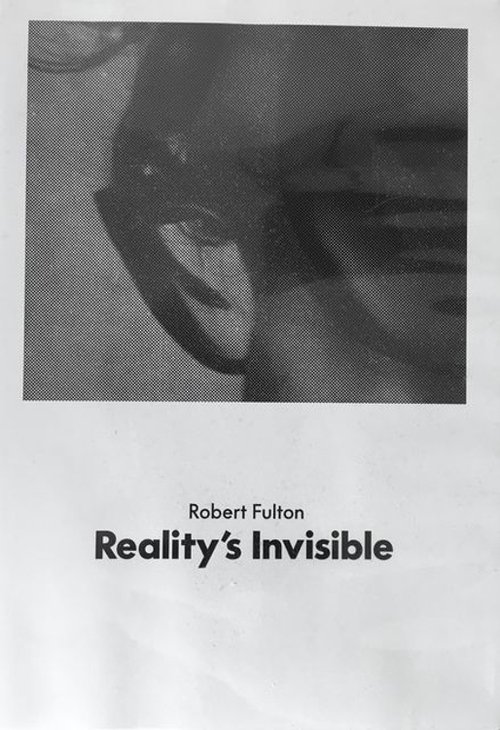
Reality's Invisible is an observational study of the Carpenter Center at Harvard, emphasizing the intersection of architecture, theory, and artistic practice. It prioritizes the documentation of intellectual processes over conventional storytelling. The film's strength lies in its unique approach to capturing the essence of 1972 academia. It offers meaningful visibility to non-Western contributors like Toshi Katayama. However, it remains centered on the established Western intellectual canon of the time. While the film provides some racial diversity, it lacks explicit representation of LGBTQ+ identities and non-assuming gender matches what was assigned at birth experiences.
Category Breakdown
The film portrays an academic community but does not explicitly address non-traditional gender identities or challenge the assumption that everyone is straight.
The film captures an era of higher education where the intellectual canon was male-dominated. The 1972 context hints at a possible imbalance in the visibility of women.
Graphic designer Toshi Katayama's inclusion highlights racial integration within this intellectual circle. The film showcases non-Western contributors in a prestigious academic setting.
The film focuses on architectural theory through the lens of Le Corbusier’s work at Harvard. However, it remains rooted in the Western academic tradition.
There is no depiction of physical or neurological disabilities in this work.
Present on Screen
Limited or Absent
Official Synopsis
Fulton made the film during his brief time at Harvard, where he had been invited to teach by Robert Gardner, his friend and collaborator (Fulton would later serve as a cinematographer on Gardner’s 1981 documentary Deep Hearts, among others). Reality’s Invisible could be described as a portrait of the Carpenter Center, yet it is a portrait of an extremely idiosyncratic and distinctive sort. Fulton moves us through the concrete space of the Center’s Le Corbusier-designed building—the only structure by the architect in North America—but, more centrally, presents us footage of students making and discussing their work alongside figures like Gardner, theorist Rudolf Arnheim, artist Stan Vanderbeek, filmmaker Stan Brakhage, and graphic designer Toshi Katayama.
2008
2007
2011
2012

1984
2008
1992

2015
No reviews yet. Be the first to share your thoughts on this movie!
Use the rating form above to leave a star rating and optional review.