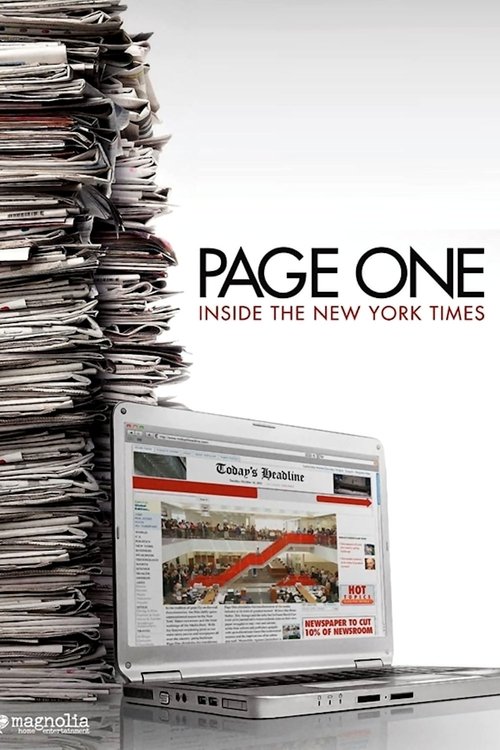
Page One: Inside the New York Times
2011
No user ratings available yet
Representation score: 7.3 out of 10
Representation Score
Good
2025
Director
Marshall Curry
Runtime
97 minutes
Average Rating
No ratings yetNew Showbiz Analysis
The documentary provides a retrospective look at a major media institution, tracing its evolution from traditional roots to a more inclusive framework. It showcases how a legacy publication adjusts its lens to reflect a multifaceted social reality. While the film captures the magazine's historical impact, its focus remains primarily on institutional evolution. It highlights the shift from an Anglo-centric dominance to a more globalized and diverse editorial approach. Ultimately, the film serves as a study of how a cultural pillar navigates a century of changing social consciousness, moving from a homogeneous past to a more diverse present.
Category Breakdown
The film focuses on the magazine's role in documenting changes in social attitudes towards LGBTQ+ issues over time. It looks at how the magazine has evolved in its coverage of queer discourse in literature.
The documentary emphasizes the significant role women have played in shaping the magazine's editorial and creative direction. Women like Françoise Mouly and Julianne Moore are highlighted as key figures in the magazine's history.
The film discusses a shift from a historically homogeneous viewpoint to a more globally diverse perspective. It includes diverse voices such as Ronan Farrow and Jon Lee Anderson to highlight the magazine's broader engagement.
The documentary highlights the magazine's rigorous investigative approach and its intellectual take on media. It portrays the magazine as a survivor of changing cultural trends and the rise of digital media.
There is no specific evidence regarding the portrayal of disability or neurodivergence within this documentary.
Present on Screen
Limited or Absent
Official Synopsis
Hard-hitting journalism. Era-defining fiction. Witty cartoons. The New Yorker marks its 100th anniversary with this look at its past, present and future. The New Yorker's centennial reveals behind-the-scenes access to editors, writers, and archives of this culturally vital magazine, one of print's last survivors.
2011
2014
2014
2022
2018
2018
2018
2009
No reviews yet. Be the first to share your thoughts on this movie!
Use the rating form above to leave a star rating and optional review.