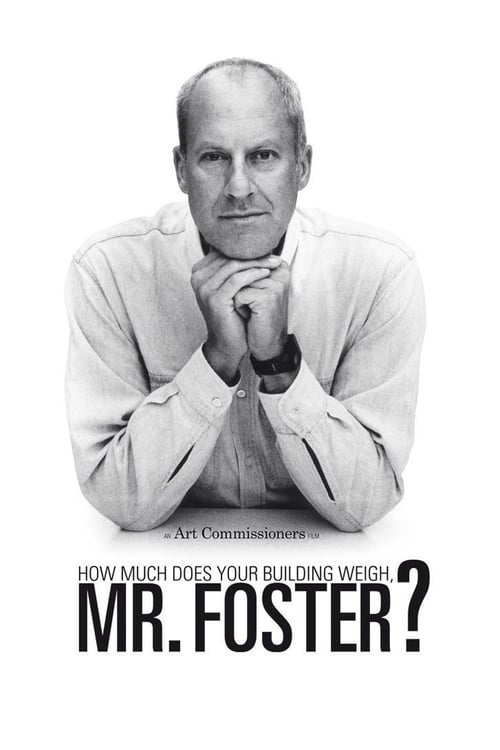
How Much Does Your Building Weigh, Mr Foster?
2010
No user ratings available yet
Diversity score: 3.8 out of 10
2008
GDirector
Eric Bricker
Runtime
83 minutes
Average Rating
No ratings yetSynopsis
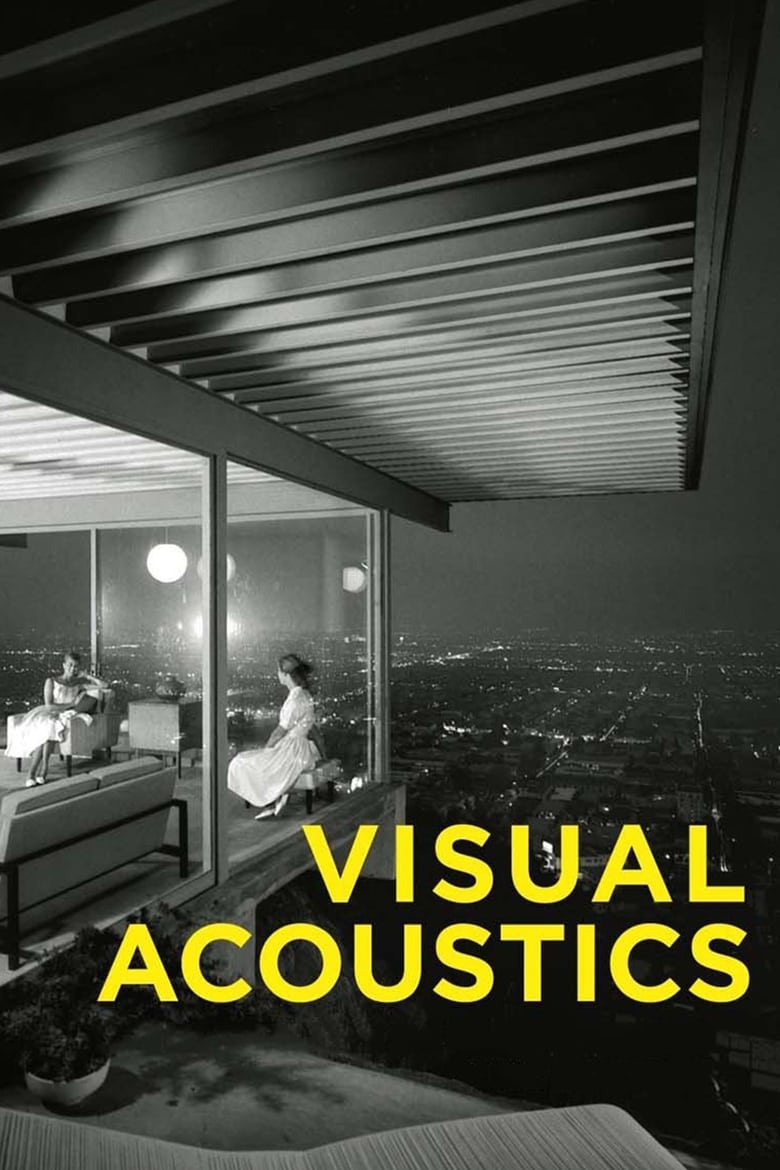
Visual Acoustics celebrates the life and career of Julius Shulman, the world's greatest architectural photographer, whose images brought modern architecture to the American mainstream. Shulman, who passed away this year, captured the work of nearly every modern and progressive architect since the 1930s including Frank Lloyd Wright, Richard Neutra, John Lautner and Frank Gehry. His images epitomized the singular beauty of Southern California's modernist movement and brought its iconic structures to the attention of the general public. This unique film is both a testament to the evolution of modern architecture and a joyful portrait of the magnetic, whip-smart gentleman who chronicled it with his unforgettable images.
Overall Score
Limited
Category Breakdown
LGBTQ+ Representation
The film centers on Julius Shulman's professional legacy and his interactions with architects. There is no explicit focus on LGBTQ+ identities or narratives that critique heteronormativity.
Gender Representation
The documentary highlights progressive architects, but the field was historically male-dominated. The film lacks evidence of efforts to highlight female architects as primary narrative drivers.
Racial & Ethnic Diversity
The narrative focuses on a traditionally Anglo-centric architectural canon. The subjects mentioned represent a historically homogeneous professional circle within the Southern California modernist movement.
Religious & Cultural Diversity
The film offers a celebratory look at mid-century American achievement and design. It treats the era's architectural evolution as a joyful portrait of progress.
Disability Representation
The film contains no mention of subjects or characters navigating visible or invisible disabilities.
Strengths
Areas for Improvement
AI Analysis
Visual Acoustics serves as a historical and aesthetic tribute to the career of Julius Shulman. It prioritizes the celebration of modernist achievement and the individual genius of the photographer. Because the film chronicles a specific era of American design, it adheres to the traditional historical frameworks of the mid-20th century. The narrative structure reflects the demographic makeup of the modernist movement rather than disrupting it. Ultimately, the documentary functions as a portrait of a specific professional circle. It lacks intersectional storytelling, focusing instead on the evolution of the built environment and architectural icons.
2010

2022
1998
2017

1990
1972

2018
2008
2012
2018
2006
2010
No reviews yet. Be the first to share your thoughts on this movie!
Use the rating form above to leave a star rating and optional review.