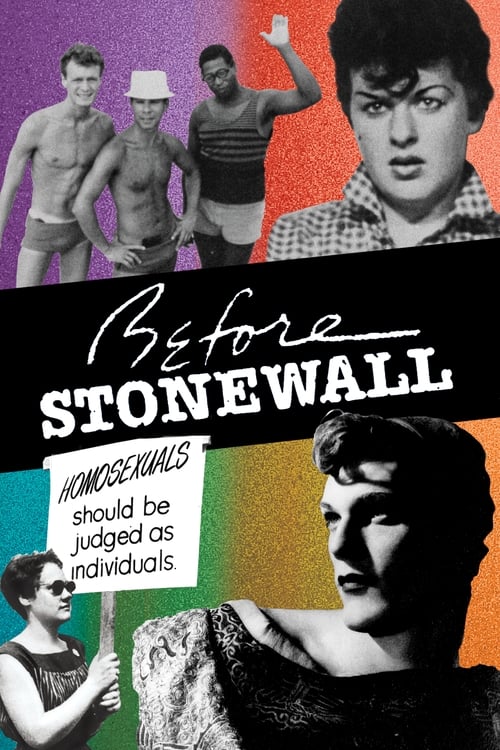
Before Stonewall
1984
No user ratings available yet
Representation score: 9.6 out of 10
Representation Score
Good
1996
RDirector
Rob Epstein, Jeffrey Friedman
Runtime
102 minutes
Average Rating
No ratings yetNew Showbiz Analysis
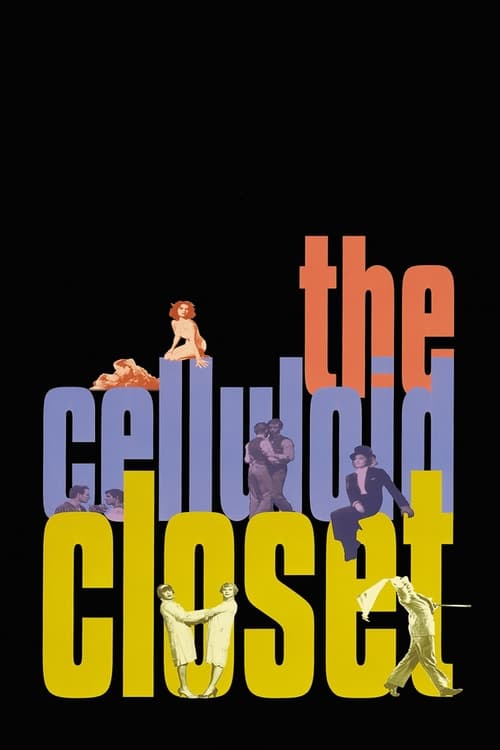
The Celluloid Closet is a profound study of how media acts as both a tool of oppression and a vehicle for liberation. By deconstructing archival footage, the film exposes the systemic mechanisms used to sideline non-conforming identities through visual subtext and character coding. The documentary excels in its rigorous critique of censorship that enforces straight-centered standards. It provides a sophisticated framework for understanding how institutional authority maintained power dynamics through the suppression of queer narratives. While the film is a masterclass in LGBTQ+ history, its focus on sexual orientation means that racial and ethnic diversity receives less depth than the primary subject matter.
Category Breakdown
The film celebrates the emergence of authentic representation for LGBTQ+ individuals by reclaiming their identities within cinema. It moves beyond harmful archetypes to highlight the emergence of true empowerment and success stories.
The documentary examines how institutional mandates like the Hays Code enforced traditional gender roles. It highlights how queer characters often challenged rigid gender binaries and prescribed performances of masculinity and femininity.
The film touches upon the overlapping realities of being a person of color within a biased Hollywood system. However, racial analysis remains secondary to the central focus on queer history.
The narrative critiques the Hollywood studio system and its moral policing. It centers the outsider perspective to challenge the monolithic, conservative morality of 20th-century media.
There is no dedicated analysis of disability representation or neurodivergence as a central narrative theme within this work.
Present on Screen
Limited or Absent
Official Synopsis
Exuberant, eye-opening movie that serves up a dazzling hundred-year history of the role of gay men and lesbians have had on the silver screen. Film contains fabulous footage from 120 films showing the changing face of cinema sexuality, from cruel stereotypes to covert love to the activist triumphs of the 1990s.
1984
2019

2013
1984
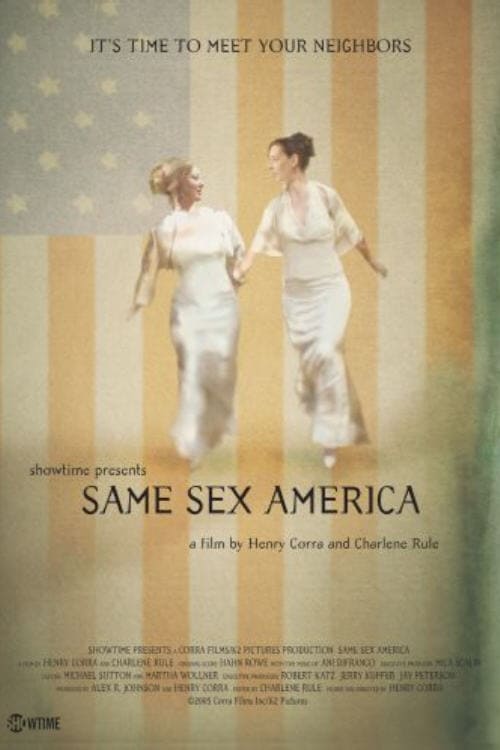
2005
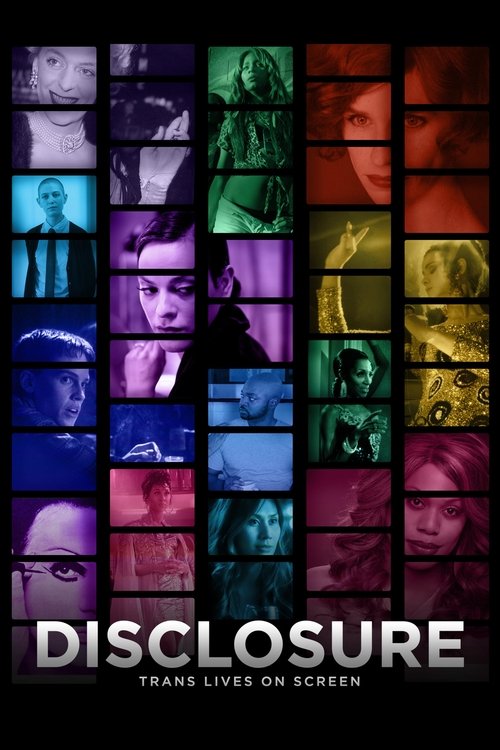
2020
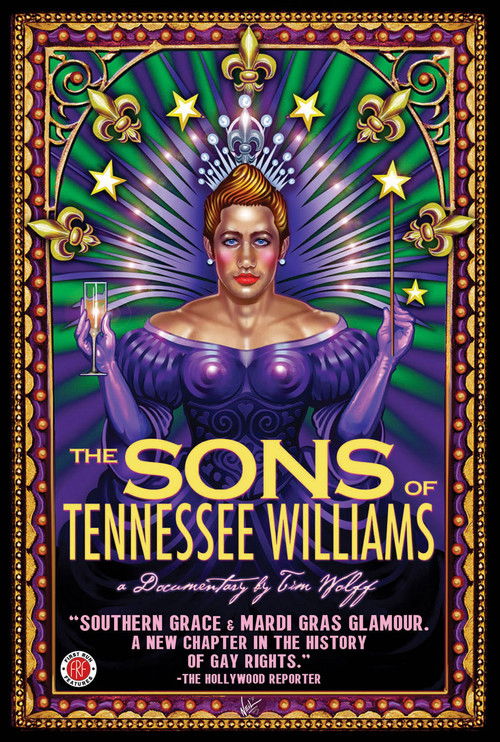
2010

2017
No reviews yet. Be the first to share your thoughts on this movie!
Use the rating form above to leave a star rating and optional review.