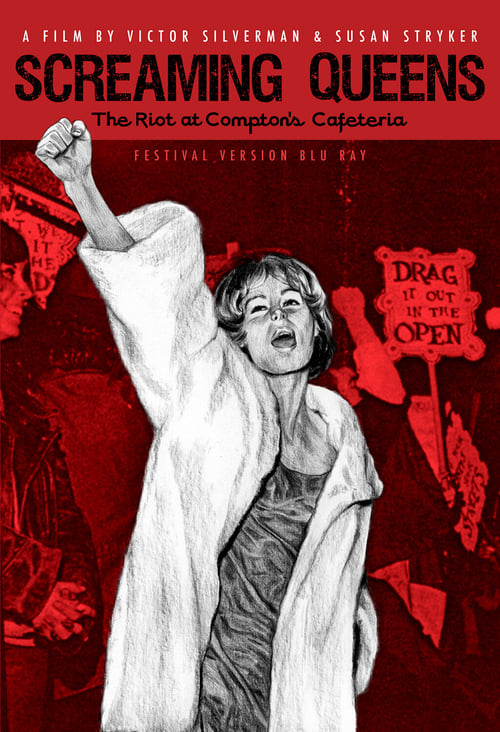
Screaming Queens: The Riot at Compton's Cafeteria
2005
No user ratings available yet
Representation score: 9.8 out of 10

Representation Score
Excellent
2010
UnratedDirector
Kate Davis, David Heilbroner
Runtime
80 minutes
Average Rating
No ratings yetNew Showbiz Analysis
Stonewall Uprising is a powerful example of storytelling that reflects multiple aspects of identity that centers underrepresented identities. By focusing on the lived experiences of drag queens, trans women of color, and gender-nonconforming individuals, the film moves beyond mere inclusion to make these figures the protagonists of history. The documentary successfully challenges the traditional Western historical canon. It frames the riots not just as a moment of chaos, but as a deliberate confrontation between underrepresented communities and systemic state oppression. While the film excels in representing queer and racial identities, it offers less focus on disability. However, its strength lies in its ability to reconstruct a historical timeline through the voices of those traditionally excluded from the dominant record.
Category Breakdown
The film serves as a foundational text for queer historiography. It centers non-straight and non-cisgender identities as the primary drivers of the historical event, providing significant visibility to drag queens, gay men, and transgender individuals.
The narrative disrupts conventional gender hierarchies by centering gender-nonconforming and transgender individuals. It portrays the subversion of gender norms as a central catalyst for social change.
The documentary utilizes a multi-layered approach to highlight the ability to act of trans women of color. It avoids a monolithic portrayal by documenting how racial and ethnic identities intersected with sexual identity.
The film portrays law enforcement and state structures as instruments of systemic oppression. It frames the uprising as a necessary act of civil disobedience against unjust authority and established social order.
The film does not focus explicitly on disability as a primary narrative driver. It touches upon socioeconomic precarity but lacks specific depictions of neurodivergence or physical disability.
Present on Screen
Limited or Absent
Official Synopsis
Stonewall Uprising is a 2010 American documentary film examining the events surrounding the Stonewall riots that began during the early hours of June 28, 1969. Stonewall Uprising made its theatrical debut on June 16, 2010 at the Film Forum in New York City.The movie features interviews with eyewitnesses to the incident, including NYPD deputy inspector Seymour Pine. The film was produced and directed by documentarians Kate Davis and David Heilbroner, and is based on the book by historian David Carter, Stonewall: The Riots That Sparked the Gay Revolution. The title theme is by Gary Lionelli.
2005
1984

2014

2017
1984
1996
1999

2019
No reviews yet. Be the first to share your thoughts on this movie!
Use the rating form above to leave a star rating and optional review.