To Find My Son
1980
No user ratings available yet
Representation score: 2.6 out of 10
Representation Score
Good
1987
PGDirector
John Korty
Runtime
96 minutes
Average Rating
No ratings yetNew Showbiz Analysis
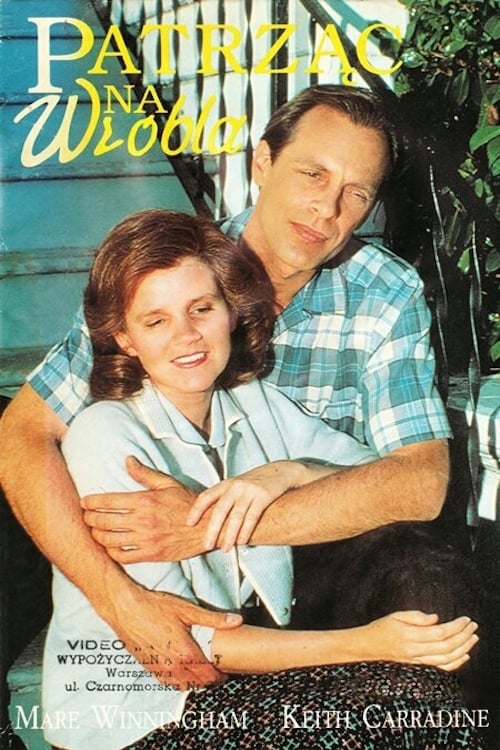
Eye on the Sparrow is a character-driven drama that explores the intersection of disability and systemic institutional barriers. By focusing on a blind couple fighting for adoption rights, the film challenges the notion that state oversight is always beneficial. The film's strength lies in its portrayal of blind protagonists as active agents of change, rather than passive victims. This approach adds depth to the theme of human rights and autonomy. However, the narrative's scope seems limited in terms of multi-layered visibility. Without specific details on race or sexual orientation, the diversity of the characters is primarily focused on neuro-sensory differences and the struggle against institutional gatekeeping.
Category Breakdown
The film does not provide explicit information about sexual orientation or gender identity. The narrative focuses on disability rather than LGBTQ+ issues.
The story highlights a partnership where both individuals actively resist systemic challenges. This shared struggle suggests a move away from traditional patriarchal structures.
There is no explicit mention of the racial or ethnic background of the main characters. The film's primary focus is on disability, not ethnicity.
The narrative challenges traditional institutional authority by depicting state agencies as obstacles. It emphasizes subjective capability over rigid definitions of family fitness.
The film portrays blind protagonists as active agents in their legal and social struggles for adoption rights. It avoids pity by focusing on their efforts to gain autonomy and parenthood.
Present on Screen
Limited or Absent
Official Synopsis
True story of a blind couple who fought the authorities to acquire the right to adopt a child.
1980

2012
1988

2014
1993
1987

2019
1992
No reviews yet. Be the first to share your thoughts on this movie!
Use the rating form above to leave a star rating and optional review.