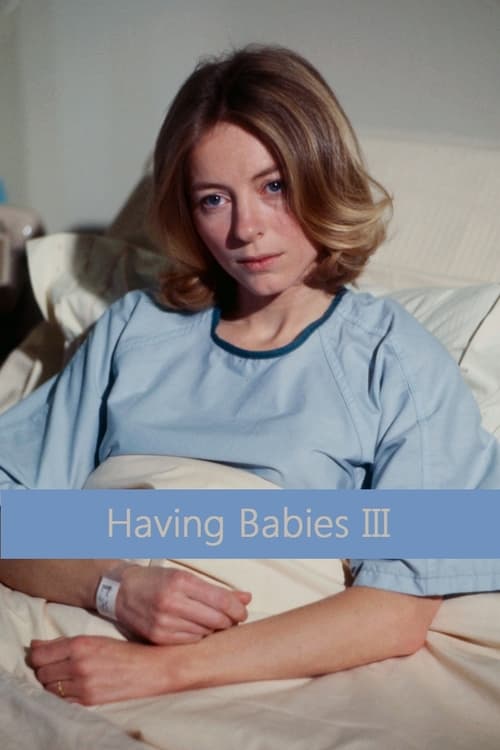
Having Babies III
1978
No user ratings available yet
Representation score: 2.2 out of 10
Representation Score
Fair
1977
Director
Richard Michaels
Runtime
100 minutes
Average Rating
No ratings yetNew Showbiz Analysis
Having Babies II functions as a traditional domestic drama centered on the complexities of birth and healthcare. While it provides meaningful engagement with human crises, it adheres to the representational norms of its era. The film lacks depth in reflecting multiple aspects of identity, focusing instead on the standard social constraints of 1977 television. It prioritizes the emotional weight of the family unit within institutionalized settings rather than challenging systemic hierarchies. Ultimately, the work serves as a reflection of mainstream 1970s social structures, offering a narrow view of the human experience through a largely homogeneous lens.
Category Breakdown
The film does not include any LGBTQ+ characters or stories that challenge the assumption that everyone is straight or cisgender. It follows traditional conventions that assume everyone is heterosexual.
Women play key roles in driving the emotional and physical plot through themes of pregnancy and birth. However, their influence is often framed through maternal endurance rather than challenging patriarchal structures.
The production reflects the demographic homogeneity typical of 1970s mainstream media. There is no evidence of a diverse cast or non-Anglo-Saxon majority.
The story focuses on human experiences within established social and medical systems. It lacks explicit critique of Western institutions or anti-capitalist perspectives.
Medical themes imply physical conditions, but characters lack real control over neurodivergence or chronic illness. Representation is limited to the immediate context of childbirth.
Present on Screen
Limited or Absent
Official Synopsis
The story of various couples who get caught up in the personal and emotional crises of birth, adoption and hospitalization, and also of the hospital and health care workers who take care of them.
1978
1994
1998

2001
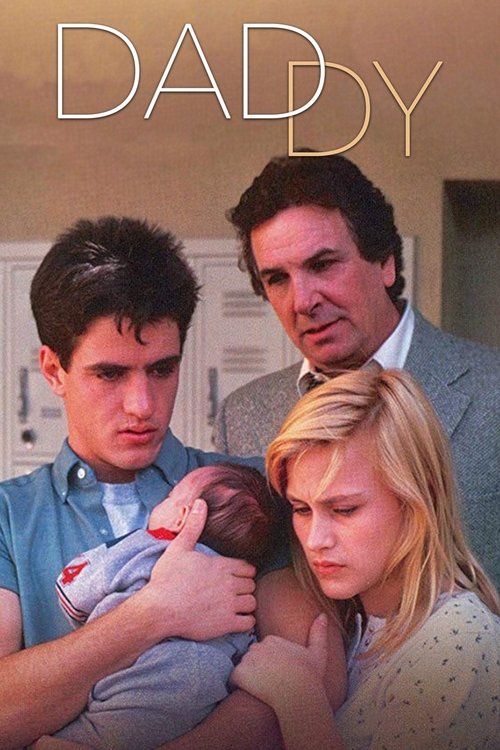
1987
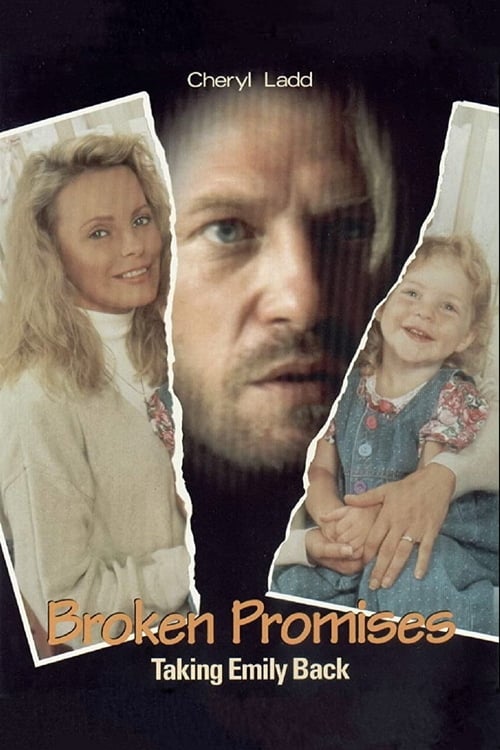
1993

1993

1996
No reviews yet. Be the first to share your thoughts on this movie!
Use the rating form above to leave a star rating and optional review.