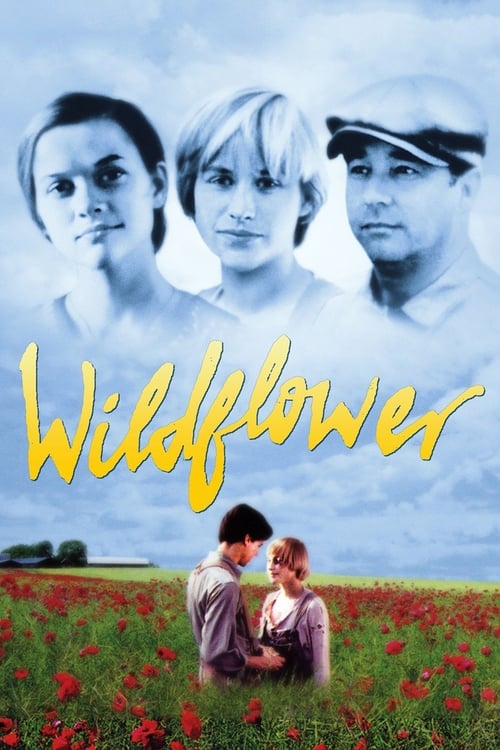
Wildflower
1991
No user ratings available yet
Diversity score: 5.5 out of 10
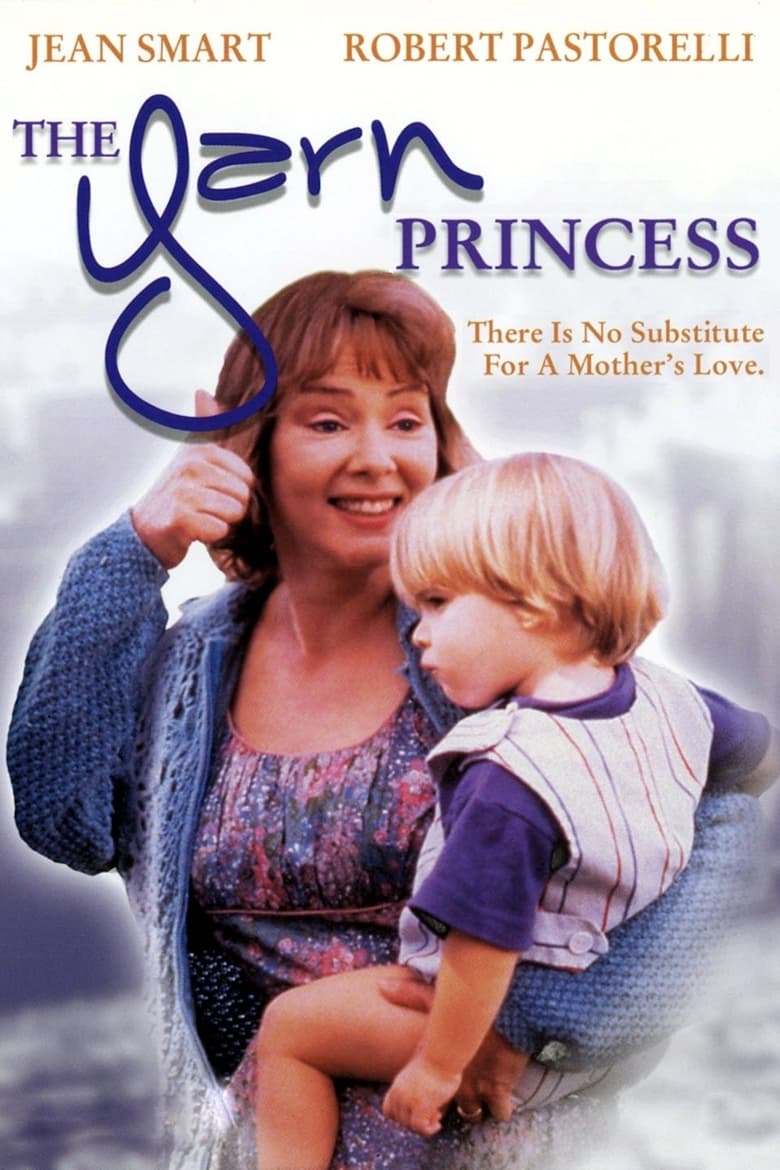
1994
Director
Tom McLoughlin
Runtime
100 minutes
Average Rating
No ratings yetSynopsis
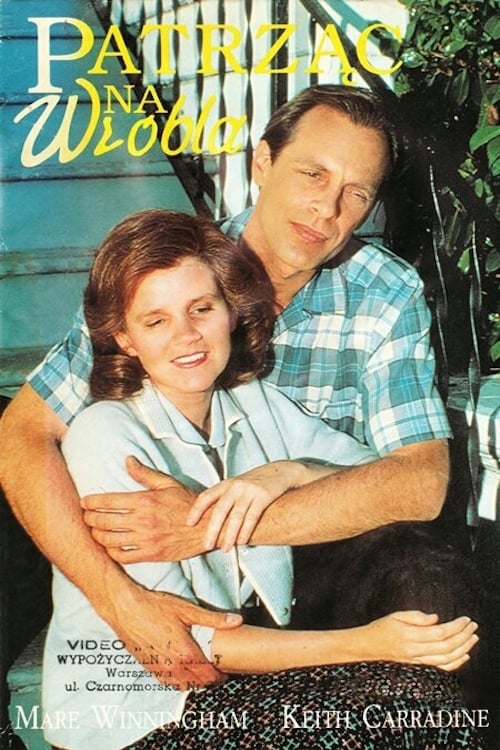
Margaret, who has certain mental disabilities, struggles when her husband, Jake, is diagnosed with schizophrenia and the authorities wish to take her children away from her. She has to prove in a court of law that she is capable of taking care of her family.
Overall Score
Fair
Category Breakdown
LGBTQ+ Representation
The film lacks explicit evidence of LGBTQ+ characters or non-heteronormative identities. The story centers on a traditional nuclear family structure facing external pressures.
Gender Representation
Margaret serves as a central figure of agency, fighting to prove her competence against state intervention. This positioning subverts female passivity by making her the primary defender of her family.
Racial & Ethnic Diversity
The narrative does not indicate a diverse or non-Anglo-Saxon majority cast. It focuses on a domestic struggle without utilizing intersectional racial dynamics as a primary plot driver.
Religious & Cultural Diversity
The film critiques the authority of state institutions and their power to disrupt families. It questions the benevolence of Western institutional oversight and how society defines capability.
Disability Representation
The film offers meaningful representation of neurodivergence and mental health. By centering characters with mental disabilities and schizophrenia, it explores lived experiences and systemic hurdles rather than using them as mere devices.
Strengths
Areas for Improvement
AI Analysis
The Yarn Princess is a character-driven drama that finds its strength in its nuanced portrayal of neurodivergence and mental health. By centering the struggle of a woman with disabilities and a husband with schizophrenia, the film moves beyond superficial tropes to address systemic legal battles. However, the film lacks breadth in other areas of identity. The narrative appears focused on a traditional family structure, offering little in the way of racial, ethnic, or LGBTQ+ diversity. This narrow focus limits the film's intersectional impact. Ultimately, the film succeeds as a critique of institutional power. It uses the protagonist's fight for autonomy to challenge how society judges the competence of those living with mental health challenges.
1991
2011

2021

1990
2005
1997
1987

2019
1966
2025
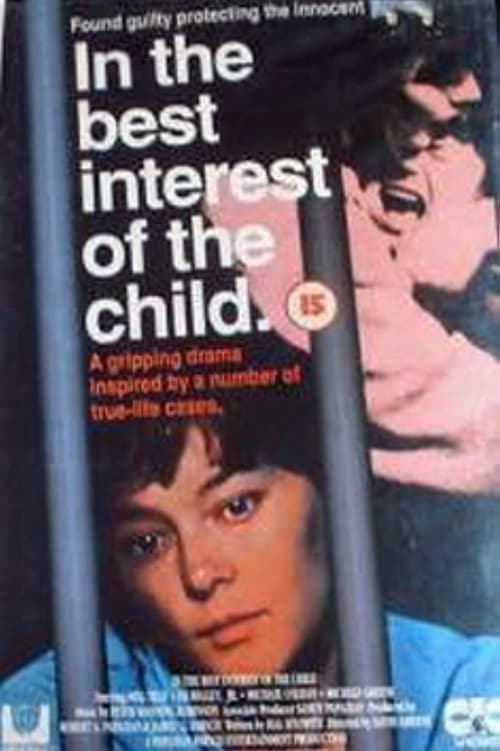
1990

1983
No reviews yet. Be the first to share your thoughts on this movie!
Use the rating form above to leave a star rating and optional review.