
Judgment
1990
No user ratings available yet
Representation score: 4.2 out of 10
Representation Score
Minimal
1987
GDirector
Edwin Sherin
Runtime
98 minutes
Average Rating
No ratings yetNew Showbiz Analysis
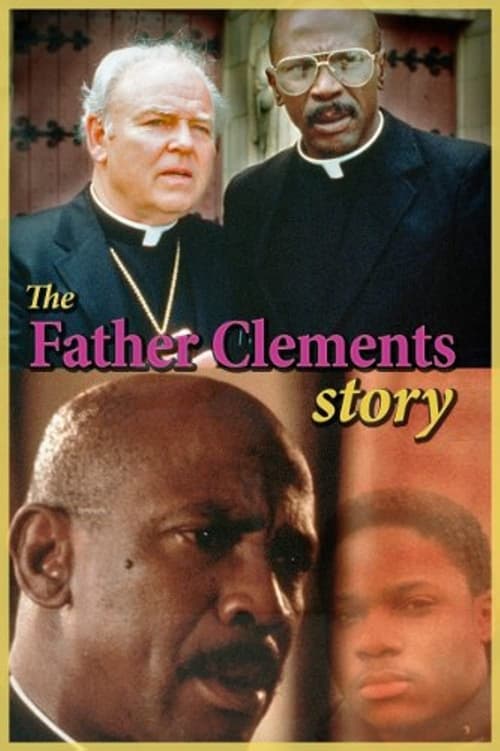
The film presents a striking contrast in its approach to representation. By casting an African American man as a Catholic priest, it challenges the historical homogeneity of religious leadership and provides a more nuanced view of diverse populations. However, these progressive steps are balanced by a deeply traditional narrative structure. The film celebrates Western religious institutions and conventional social hierarchies, prioritizing institutional stability and traditional morality over any critique of systemic power.
Category Breakdown
The film does not include any LGBTQ+ characters or explore non-straight relationships. It follows a traditional mid-20th-century social framework.
The story focuses on a male protagonist who holds spiritual and social authority. It upholds traditional gender hierarchies and masculine-coded virtues of leadership.
By centering an African American priest in a role of high importance, the film breaks historical norms. It also examines interactions with diverse frontier and indigenous populations.
The narrative emphasizes the stability of the Catholic Church and traditional morality. It portrays religious institutions as stabilizing forces without criticism.
There is no evidence of characters with physical or neurodivergent disabilities being explored as central agents in the story.
Present on Screen
Limited or Absent
Official Synopsis
In this provocative made-for-television drama, an African American Chicago priest takes on the Catholic church during his fight to adopt a troubled teen and save him from life on the streets.
1990

2012
1992
1987

2005
1990

1980

2003
No reviews yet. Be the first to share your thoughts on this movie!
Use the rating form above to leave a star rating and optional review.