The Miracle Worker
1979
No user ratings available yet
Representation score: 4.0 out of 10
Representation Score
Limited
1988
TV-PGDirector
John Korty
Runtime
100 minutes
Average Rating
No ratings yetNew Showbiz Analysis
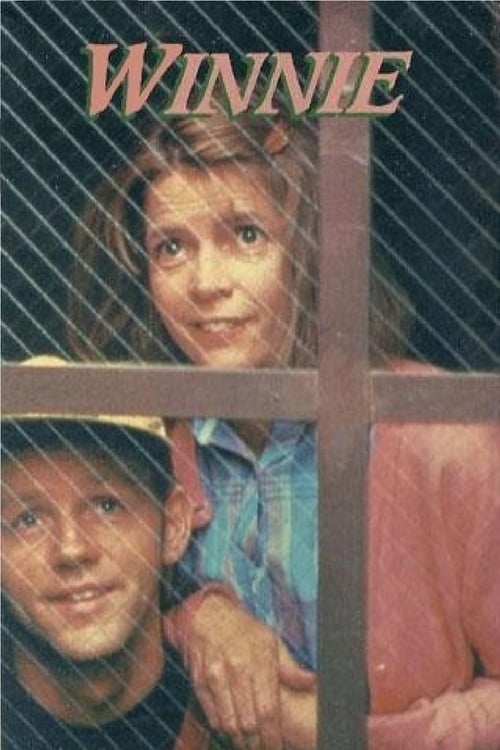
Winnie is a specialized character study that prioritizes depth in disability representation over broad social diversity. By focusing on a neurodivergent woman's struggle to communicate through writing, the film avoids common clichés of mockery and highlights intellectual empowerment. However, the film's impact is limited by a lack of racial and LGBTQ+ diversity. The narrative remains focused on a singular psychological experience, which prevents a more complex exploration of overlapping social identities. Ultimately, the film succeeds as a critique of systemic institutional power, even if it lacks breadth in other demographic categories.
Category Breakdown
The film does not include any LGBTQ+ characters or narratives that question the assumption that everyone is straight. It focuses on a psychological journey rather than exploring social dynamics based on sexual orientation or gender identity.
A female protagonist navigates a world that has taken away her ability to make her own decisions. Her journey of reclaiming her voice through writing provides a meaningful portrayal of women's empowerment.
There is no evidence of a diverse cast or non-white actors. The story does not include visible racial diversity or characters who reflect multiple aspects of identity.
The narrative criticizes Western institutions by presenting institutionalization as a place where systemic mistakes occur. It emphasizes the protagonist's internal experiences over external societal definitions.
The film offers a sophisticated depiction of neurodivergence and cognitive disabilities. It centers on the intellectual abilities and resilience of a person with a disability.
Present on Screen
Limited or Absent
Official Synopsis
Based on a true story about a woman who is institutionalized as mentally retarded for 30 years while struggling to reach the outside world through her writing.
1979
2014

1990

1990
1982

2018
1987
1982
No reviews yet. Be the first to share your thoughts on this movie!
Use the rating form above to leave a star rating and optional review.