
Something to Live for: The Alison Gertz Story
1992
No user ratings available yet
Representation score: 8.6 out of 10
Representation Score
Good
1989
TV-PGDirector
Peter Levin
Runtime
91 minutes
Average Rating
No ratings yetNew Showbiz Analysis
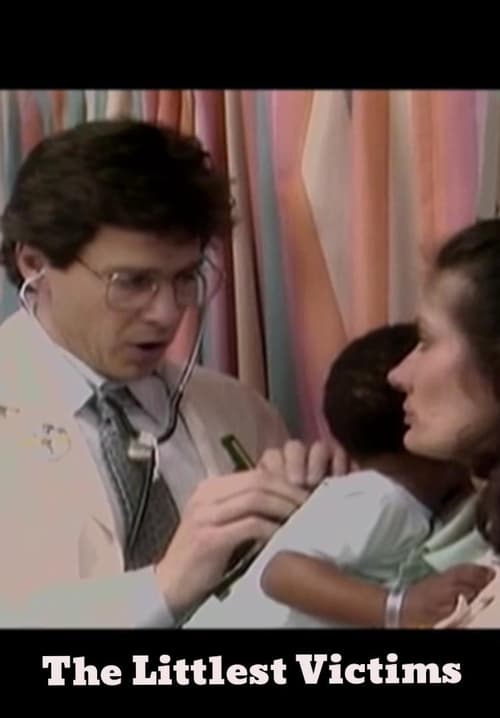
The Littlest Victims serves as a biographical drama documenting the emergence of the AIDS epidemic through the eyes of Dr. James Oleske. By centering on a medical pioneer during a systemic health crisis, the film engages with the social and medical disruptions of the late 1980s. The narrative provides meaningful engagement with the crisis affecting the LGBTQ+ community. It shifts the focus toward the ability to act required to navigate failing institutional structures during a period of profound social crisis. However, the film's impact is limited by a lack of visible the way different parts of someone's identity overlap. While it addresses the crisis affecting the LGBTQ+ community, the specific roles of women and diverse racial groups remain unexamined within the available context.
Category Breakdown
The film centers on an AIDS researcher, engaging with the lived experiences of the LGBTQ+ community, which has been historically underrepresented by healthcare systems.
The narrative focuses on the professional role of a male medical pioneer. There is no specific evidence of female characters driving the plot or challenging traditional gender roles.
The film lacks specific details regarding the racial composition of the cast or patients. The score reflects a baseline expectation for period-accurate biographical drama from this era.
The story critiques institutional limitations by documenting a period marked by a burgeoning health crisis. It moves toward a high-stakes reality rather than idealized stability.
The film addresses chronic, life-altering illness through the lens of medical ability to act. It focuses on systemic intervention and human resilience rather than purely passive depictions of suffering.
Present on Screen
Limited or Absent
Official Synopsis
A true account of the life of pioneering AIDS doctor James Oleske.
1992

1993
1988

1995

1998

2001

1989
2017
No reviews yet. Be the first to share your thoughts on this movie!
Use the rating form above to leave a star rating and optional review.