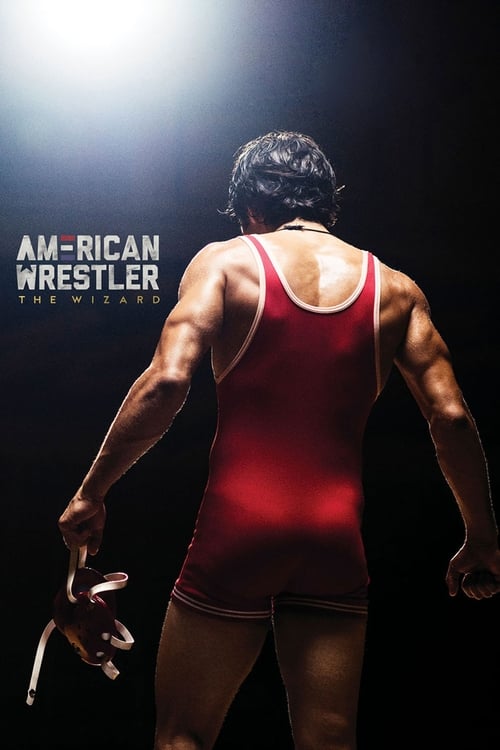
American Wrestler: The Wizard
2017
No user ratings available yet
Diversity score: 4.9 out of 10
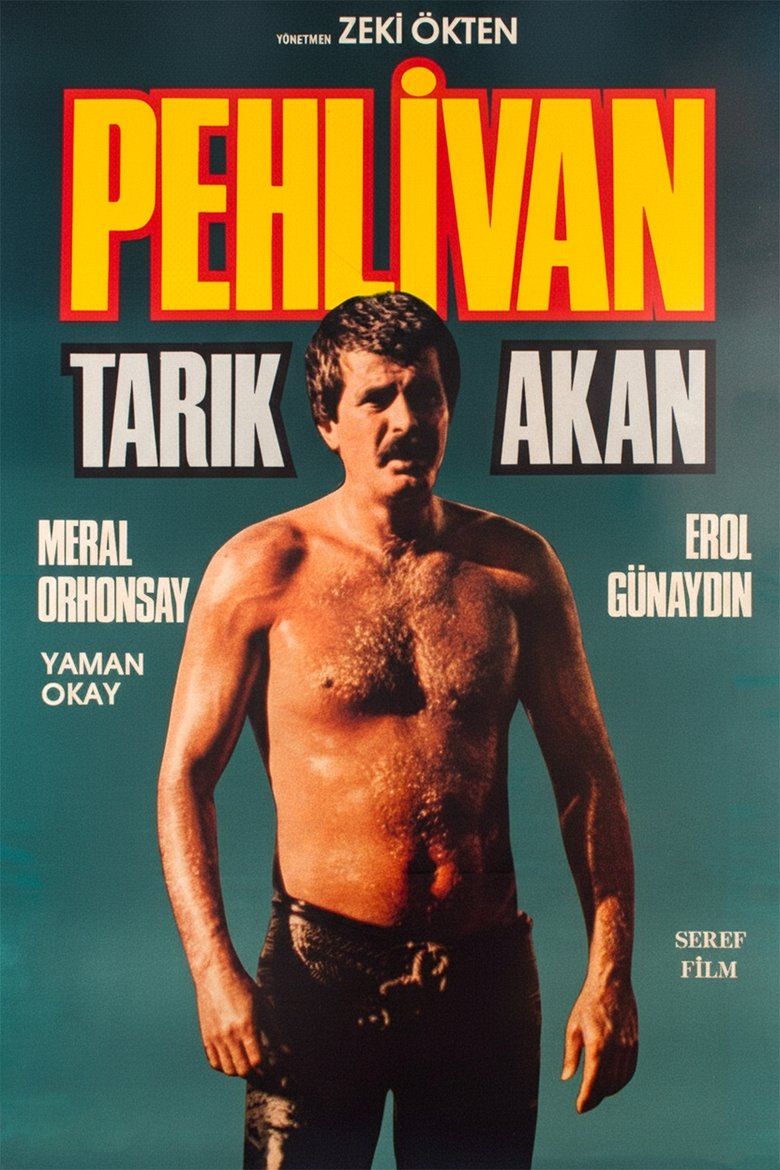
1984
Director
Zeki Ökten
Runtime
98 minutes
Average Rating
No ratings yetSynopsis
With good guidance from director Zeki Okten but an uninspired script, this story of a brother and his Turkish family influenced by old and new traditions is somewhat uneven. Bilal (Tarik Akan) is devoted to the art of wrestling, following in the footsteps of his father and grandfather, who were both champions at the sport. Aside from his interest in wrestling for its own sake, Bilal has a chance to win a provincial wrestling contest and thereby bring home a considerable cash award for his efforts -- and so his days are spent in training for the event. Meanwhile, his brother and sister-in-law and their daughter have come back home after living in Germany for 12 years and are finding the adjustment to their cultural roots a bumpy ride. As long scenes of well-oiled and slippery wrestlers in action prepare viewers for Bilal's big event, the struggle of these men is reminiscent of the struggle of Bilal's family to come to grips with a world they may not be able to accept unconditionally.
Overall Score
Fair
Category Breakdown
LGBTQ+ Representation
The film operates within a conventional framework of traditional social roles. There is no evidence of non-heteronormative identities or critiques of heteronormativity.
Gender Representation
The narrative centers on patriarchal lineage and male-dominated wrestling traditions. While female characters drive the emotional conflict, they primarily serve as catalysts for the family's cultural struggle.
Racial & Ethnic Diversity
The story provides a localized, non-Western perspective by centering on a Turkish family. It avoids Western norms by focusing on provincial life and the diaspora experience.
Religious & Cultural Diversity
The film explores the collision between traditional Anatolian customs and modernized perspectives. It depicts the complex, bumpy ride of cultural reintegration and shifting social paradigms.
Disability Representation
There are no visible or invisible disabilities portrayed as central to the character arcs or plot progression.
Strengths
Areas for Improvement
AI Analysis
The film serves as a cultural drama that prioritizes the friction between ancestral legacies and globalization. It succeeds in offering a non-Western lens, focusing on the specific nuances of Turkish provincial life and the complexities of returning from the diaspora. However, the narrative remains heavily tethered to traditional masculine hierarchies. The central plot is driven by male athletic pursuits and patriarchal lineage, which limits the agency of female characters to the realm of emotional catalysts. Ultimately, the work provides meaningful insight into cultural displacement but lacks representation of diverse identities or non-traditional social structures.
2017

2010
2022

1973
2018
1978
2015
2015
2010
2011
2013
2011
No reviews yet. Be the first to share your thoughts on this movie!
Use the rating form above to leave a star rating and optional review.