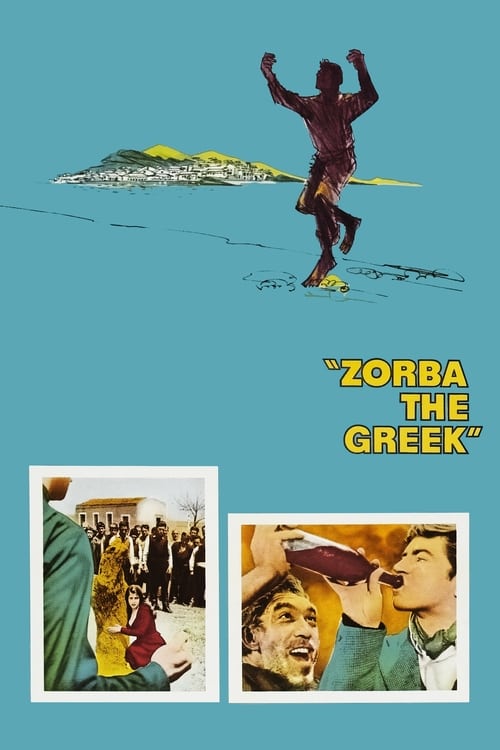
Zorba the Greek
1964
No user ratings available yet
Diversity score: 4.5 out of 10
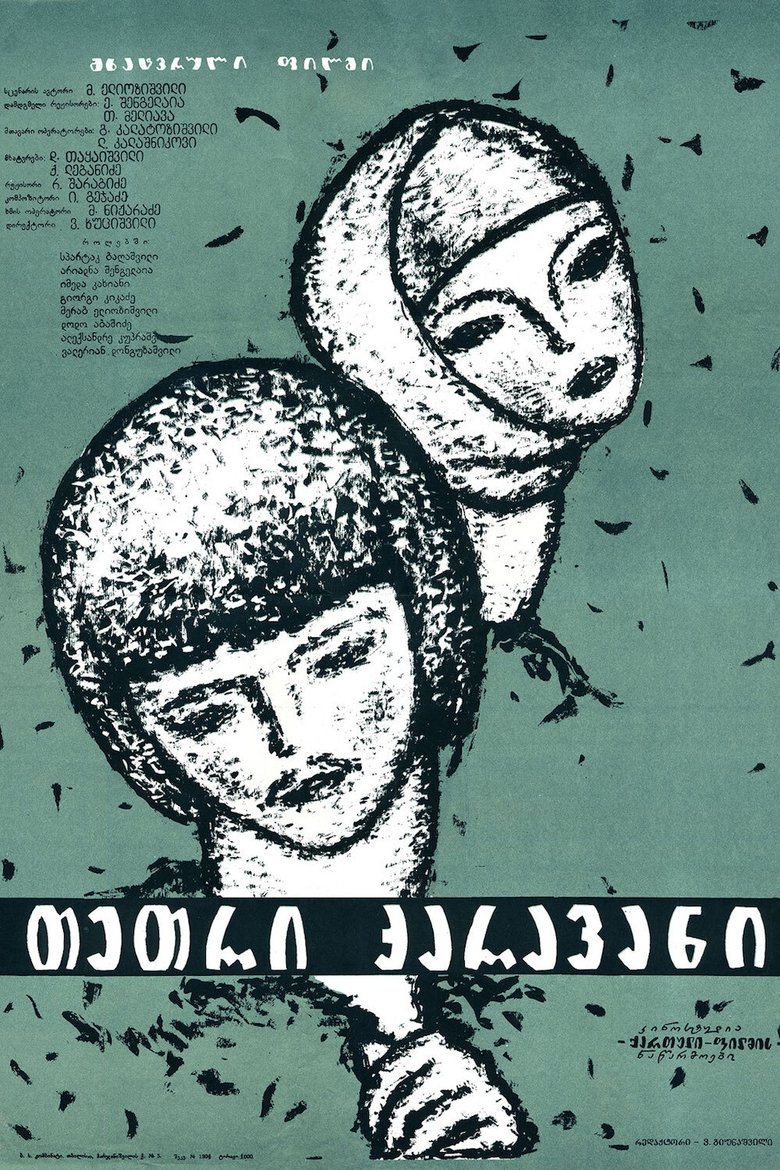
1964
Director
Tamaz Meliava, Eldar Shengelaia
Runtime
93 minutes
Average Rating
No ratings yetSynopsis
A young shepherd abandons his family's traditional way of life, as well as his young love, when he succumbs to the allure of urban living.
Overall Score
Limited
Category Breakdown
LGBTQ+ Representation
The film offers no evidence of non-heteronormative identities. The central conflict focuses on the tension between rural tradition and urban allure rather than sexual identity.
Gender Representation
The story centers on a male protagonist's agency in abandoning his family and love. His decision reframes masculinity as a source of instability rather than a traditional social pillar.
Racial & Ethnic Diversity
As a Georgian production, the film provides a localized, non-Western perspective. It explores identity through a specific ethnic lens rather than through modern multi-ethnic casting.
Religious & Cultural Diversity
The narrative critiques traditional institutions by portraying agrarian customs as structures that can be rejected. The urban allure serves as a proxy for dismantling traditionalist morality.
Disability Representation
There is no evidence of characters with visible or invisible disabilities within the film's context.
Strengths
Areas for Improvement
AI Analysis
The White Caravan functions as a transitional narrative exploring the erosion of traditional social structures. It prioritizes the individual's movement away from established communal and familial hierarchies, marking a shift toward modernizing social critiques. While the film lacks explicit intersectional markers like LGBTQ+ or disability representation, it achieves thematic depth by deconstructing the pastoral hierarchy. The protagonist's choice to abandon his roots highlights the friction between ancestral continuity and the disruptive pull of urbanization. Ultimately, the film serves as a study of identity shifts, moving from a localized, traditionalist existence toward a more fluid, modern identity through the lens of Georgian cinema.
1964
1976
1961
1967
1965
1963
1983
1970
1955

1972
1954

1975
No reviews yet. Be the first to share your thoughts on this movie!
Use the rating form above to leave a star rating and optional review.