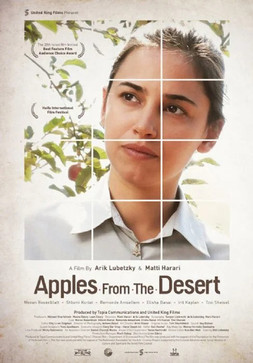
Apples from the Desert
2014
No user ratings available yet
Representation score: 6.1 out of 10

Representation Score
Limited
2015
Not RatedDirector
Yuval Delshad
Runtime
91 minutes
Average Rating
No ratings yetNew Showbiz Analysis
Baba Joon is a character-driven drama that centers on the specific lived experiences of an Iranian-Israeli family. It avoids the 'melting pot' cliché, instead providing a nuanced look at how an ethnic minority navigates the social fabric of Israel. The film excels in its authentic ethnic representation and its exploration of intergenerational friction. It uses the specificities of an immigrant household to examine universal themes of identity and rebellion. However, it adheres to traditional gender dynamics, with masculine conflict driving the narrative and female characters playing more mediating roles.
Category Breakdown
The film lacks explicit LGBTQ+ characters or narratives. The story focuses strictly on patriarchal lineage and the preservation of family continuity.
The story centers on traditional masculinity and the conflicts arising from patriarchal expectations. Female characters play more mediating roles rather than leading ones.
The film highlights the lived experiences of characters of color, specifically focusing on the Iranian-Israeli diaspora. It avoids generic stereotypes to emphasize the unique cultural identity of a underrepresented community.
The narrative delves into the tension between preserving cultural heritage and adapting to a modernizing society. It explores the immigrant experience through the balance of duty and personal growth.
There are no prominent depictions of visible or invisible disabilities driving the narrative.
Present on Screen
Limited or Absent
Official Synopsis
Yitzhak runs the turkey farm his father built with his own two hands after they emigrated from Iran to Israel. When his son Moti turns thirteen, Yitzhak teaches him the trade, hoping that he will continue the proud family tradition. But Moti doesn't like working in the turkey barn; his passion is fixing up junkyard cars and bringing them back to life. Moti's mother Sarah tries to reconcile between the two, while his grandfather pushes Yitzhak to take a firm hand with his son. Yitzhak takes Moti's refusal to work in the turkey barn as a personal rejection. Though he loves his son dearly, he makes it his mission to impose the family farm on Moti. The arrival of Darius, the uncle from America, sets off a chain of events that will undermine the familial harmony. Soon enough Yitzhak will learn that his son is just as stubborn as he is. The conflict is inevitable.
2014
2016
2017

2016
1994
2015
2020
2019
No reviews yet. Be the first to share your thoughts on this movie!
Use the rating form above to leave a star rating and optional review.