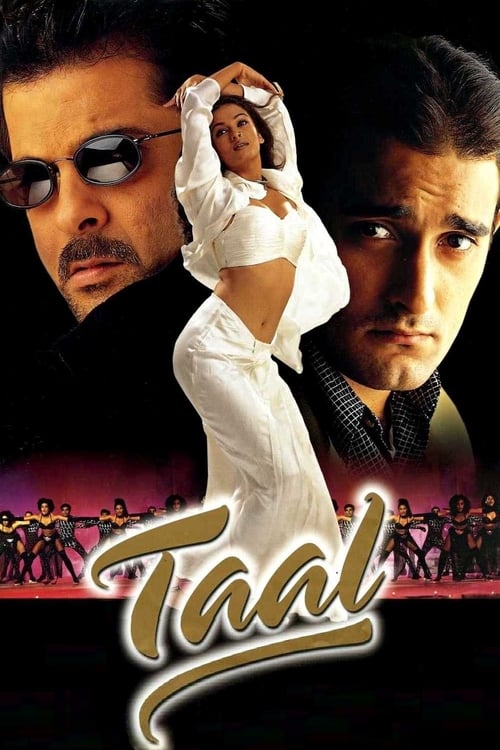
Taal
1999
No user ratings available yet
Diversity score: 3.1 out of 10
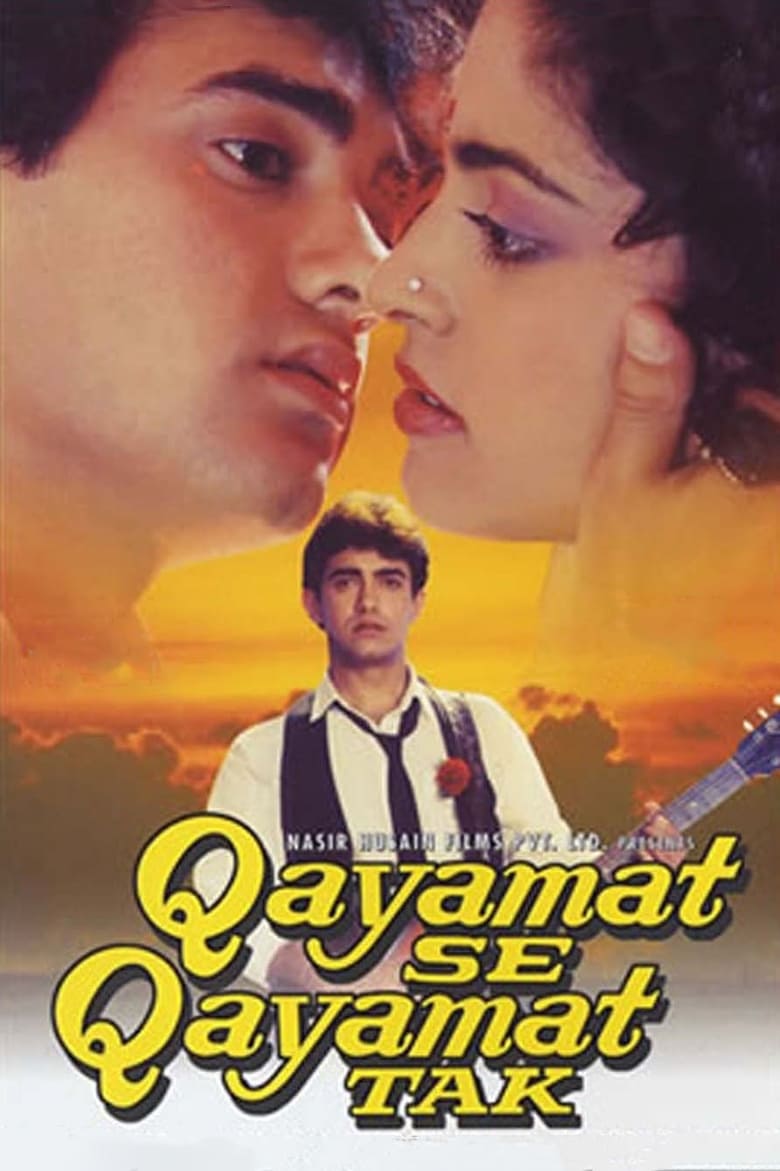
1988
Director
Mansoor Khan
Runtime
162 minutes
Average Rating
No ratings yetSynopsis
Both Dhanraj Singh and Randhir Singh are two bitter and old time enemies. They faced a disastrous situation when their children, Raj and Rashmi fall deeply in love. They openly declare their hatred for one another and will do anything in their power, even kill - but they will not accept their children's choice. But Raj and Rashmi are dedicated to their love and are not willing to accept the fact that their fathers are mutual enemies.
Overall Score
Limited
Category Breakdown
LGBTQ+ Representation
The film follows a strictly heteronormative narrative centered on a traditional romantic pairing. It does not feature non-cisnormative identities or critiques of heteronormativity.
Gender Representation
Rashmi provides a necessary disruption to patriarchal authority through her romantic agency. However, the central conflict remains driven by the ancestral feuds of two male patriarchs.
Racial & Ethnic Diversity
The cast presents a homogeneous North Indian demographic reflective of its specific cultural setting. It offers authentic representation without actively seeking to expand its ethnic spectrum.
Religious & Cultural Diversity
The story explores the tragedy of rigid social structures and familial honor. It frames rebellion as a romantic necessity rather than a systemic critique of social institutions.
Disability Representation
There are no prominent depictions of physical or neurodivergent disabilities. No such traits serve as central drivers for the characters or the narrative.
Strengths
Areas for Improvement
AI Analysis
Mansoor Khan’s debut marks a significant shift in Indian cinema by moving away from hyper-masculine action tropes. The film prioritizes emotional vulnerability and character-driven romanticism over the stoic dominance of the 'Angry Young Man' archetype. While the film lacks modern identity politics, its strength lies in how it subverts patriarchal decrees through romantic defiance. This shift paved the way for more nuanced, character-centric storytelling in later decades. However, the work remains anchored in the social constraints of the 1980s. The narrative is still largely defined by traditional familial hierarchies and ancestral conflicts.
1999
1983
2006
1991
1982

1996
2016

1996
1997
2000
1976
2000
No reviews yet. Be the first to share your thoughts on this movie!
Use the rating form above to leave a star rating and optional review.