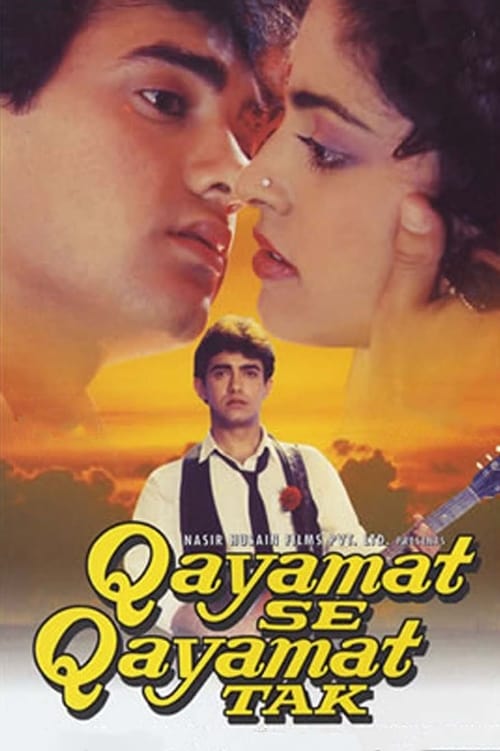
Qayamat Se Qayamat Tak
1988
No user ratings available yet
Representation score: 2.1 out of 10
Representation Score
Minimal
1991
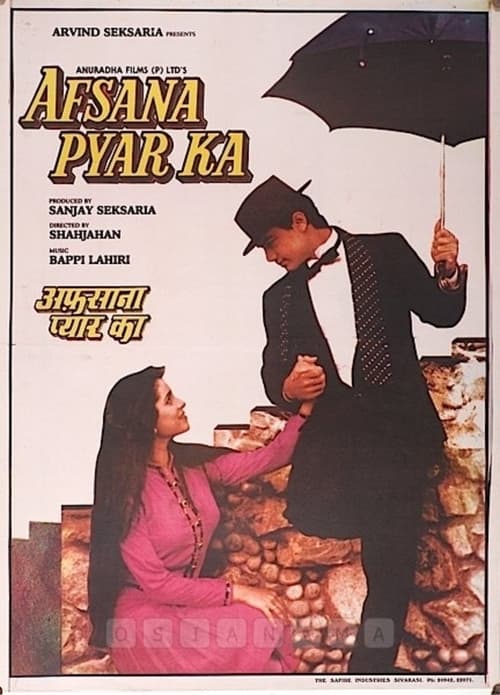
Director
M R Shahjahan
Runtime
145 minutes
Average Rating
No ratings yetNew Showbiz Analysis
Afsana Pyar Ka is a conventional romantic drama that relies heavily on established genre clichés. The story centers on the classic 'star-crossed lovers' motif, where the primary conflict arises from generational animosity between two families. The film focuses on interpersonal melodrama and the tension between romantic ability to act and traditional familial loyalty. It operates within the traditional storytelling norms of 1990s South Asian cinema, prioritizing the emotional stakes of the protagonists over broader social deconstruction. Ultimately, the work does not attempt to challenge systemic hierarchies or include diverse identities. It remains a study of individual autonomy versus traditional social structures.
Category Breakdown
The film follows a traditional romantic structure focusing on a male and female protagonist without any indication of non-straight relationships.
The story centers on a traditional romantic arc. While the leads take action against parental mandates, the film does not challenge gender hierarchies.
As a South Asian production, the film centers on non-Western identities. However, it focuses on intra-cultural conflict rather than multi-ethnic or diverse dynamics.
The plot explores the tension between individual desire and traditional family authority. It prioritizes social cohesion and familial loyalty over secular or institutional critiques.
There is no mention of characters with visible or invisible disabilities in the narrative.
Present on Screen
Limited or Absent
Official Synopsis
Animosity has existed between the families of Raj and Nikita's respective fathers. But their children have grown up without any knowledge of this animosity. They meet in college, and after a few misunderstandings both fall in love with each other. They plan to marry, and accordingly inform their respective families of their plans. Both the families view this alliance with anger, and refuse to bless the young couple. Raj and Nikita have one choice - marry the person their respective families' have selected for them - or elope.
1988

1989
1982
1994

1973
1983
1982
1981
No reviews yet. Be the first to share your thoughts on this movie!
Use the rating form above to leave a star rating and optional review.