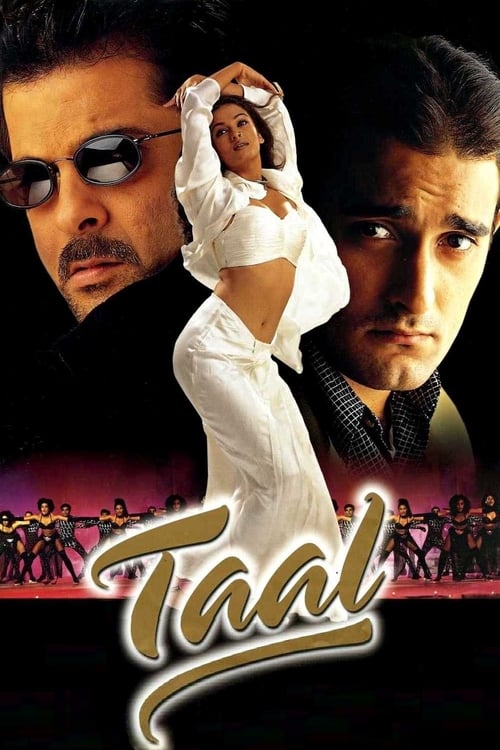
Taal
1999
No user ratings available yet
Representation score: 2.0 out of 10
Representation Score
Limited
1997
Not RatedDirector
Subhash Ghai
Runtime
191 minutes
Average Rating
No ratings yetNew Showbiz Analysis
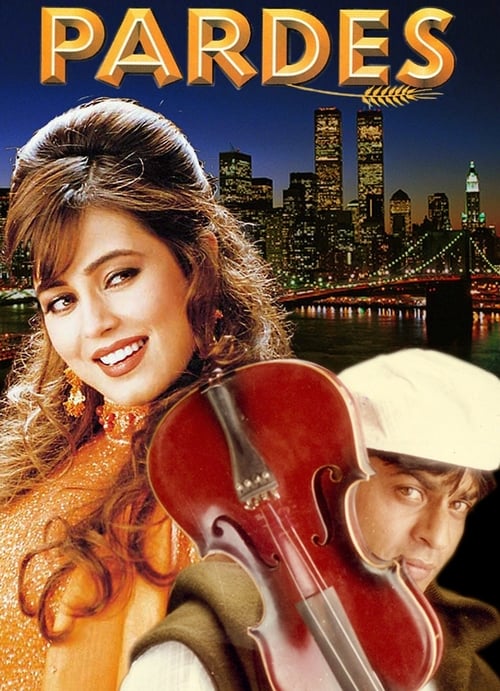
Pardes is a traditional melodrama that upholds established social and cultural hierarchies. It serves as a critique of Western modernity, positioning it as a source of moral decay compared to traditional Eastern values. The film successfully delves into the psychological struggles of immigrants and the complexities of maintaining cultural identity. However, it does so through a lens of moral absolutism that favors traditional cultural frameworks. Overall, the narrative emphasizes the superiority of rural, traditional lifestyles over Western individualism, providing a nuanced yet conservative perspective on post-colonial identity.
Category Breakdown
The film does not include any representations of LGBTQ+ identities or same-sex relationships.
Women's roles in the film are primarily defined by their romantic relationships and family duties, limiting their influence in the story.
The story examines the challenges faced by the Indian diaspora, highlighting the struggle to maintain cultural identity while adapting to Western influences.
The film contrasts Eastern values with Western materialism, presenting Western individualism as a threat to traditional family life.
There are no significant portrayals of individuals with disabilities that play a key role in the plot.
Present on Screen
Limited or Absent
Official Synopsis
Kishorilal wants an Indian bride for his westernised son. He gets him engaged to Ganga, his friend's daughter, and brings her to USA. But she shares a deeper bond with Arjun, Kishorilal's foster son.
1999
1991

2005

2004
2003

2007
1999

1989
No reviews yet. Be the first to share your thoughts on this movie!
Use the rating form above to leave a star rating and optional review.