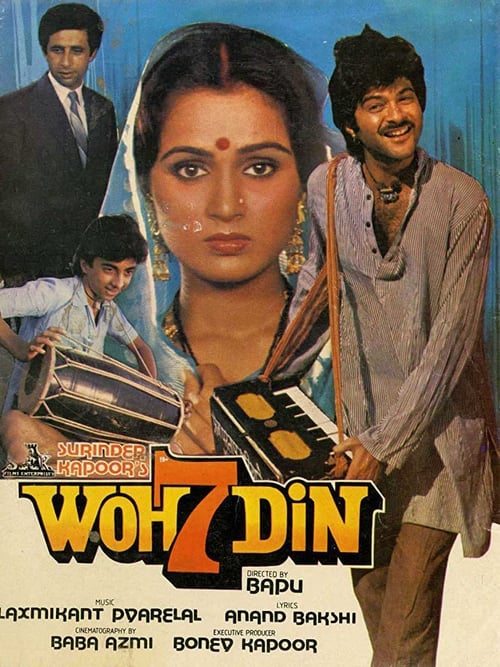
Woh 7 Din
1983
No user ratings available yet
Representation score: 2.0 out of 10
Representation Score
Minimal
1982
Director
Kapil Kapoor
Runtime
138 minutes
Average Rating
No ratings yetNew Showbiz Analysis
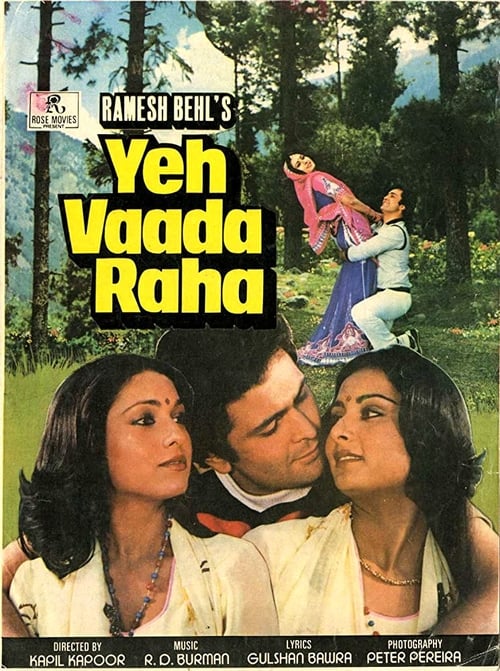
Yeh Vaada Raha is a classic 1980s romantic melodrama that adheres to traditional emotional archetypes. The story revolves around class-based familial opposition driving the central conflict between Vikram and Sunita. While the film offers a typical representation of its cultural context, it does not aim to disrupt social hierarchies. Instead, it emphasizes the weight of promises and familial duty within a traditional framework. Ultimately, the film serves as a period-specific example of mainstream storytelling, lacking in multi-layered complexity or diverse representation.
Category Breakdown
The film focuses on a traditional romance between Vikram and Sunita, without including characters with non-conforming gender identities or stories that challenge typical romantic norms.
Sunita shows initiative by choosing to elope despite her mother's objections. However, the story relies on conventional gender roles and archetypes.
The cast is ethnically uniform, reflecting the local Indian context of the time. While it avoids Western racial clichés, it doesn't blend different cultural backgrounds.
The drama highlights the importance of familial authority and the sanctity of commitments. Conflicts arise from socioeconomic differences and the preservation of traditional family structures.
There are no visible depictions of characters with physical or neurodivergent conditions. The narrative centers on the central romantic and socioeconomic conflicts.
Present on Screen
Limited or Absent
Official Synopsis
Vikram's mother refuses to accept his relationship with Sunita due to her financial background. The couple decide to elope and meet with a horrible accident that separates them.
1983

1989

1973

1994
1991
1976
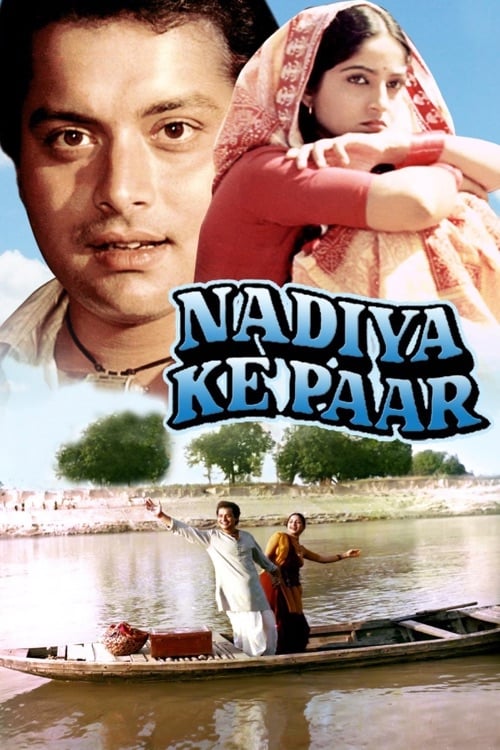
1982

1996
No reviews yet. Be the first to share your thoughts on this movie!
Use the rating form above to leave a star rating and optional review.