
Raja Hindustani
1996
No user ratings available yet
Representation score: 2.7 out of 10
Representation Score
Limited
2000
Director
Dharmesh Darshan
Runtime
171 minutes
Average Rating
No ratings yetNew Showbiz Analysis
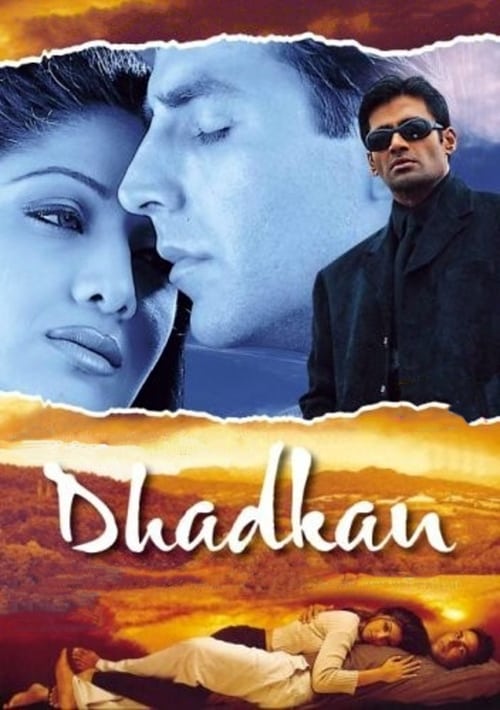
Dhadkan is a classic romantic melodrama that prioritizes emotional archetypes over diverse representation. It succeeds in centering a culturally specific South Asian narrative, avoiding Western-centric casting clichés. However, the film operates within a conventional social framework. It reinforces traditional gender roles and relies on a straight-centered structure that lacks LGBTQ+ representation or disability visibility. Ultimately, the film focuses on individual emotional integrity and romantic sacrifice rather than deconstructing systemic class or patriarchal structures.
Category Breakdown
The film follows a strictly heterosexual romantic triangle. There is no presence of same-sex intimacy or non-binary gender identities.
Anjali has a significant role in the story but her character development is largely defined by her relationships with two men. The narrative reinforces traditional gender roles within a domestic setting.
The cast is predominantly South Asian, reflecting its cultural origins without Western-centric casting. It presents a cohesive and culturally specific identity.
Class conflict exists between Dev and Ram, but it is framed as a romantic tragedy rather than a critique of systemic issues. The story prioritizes traditional values and familial stability.
No visible or invisible disabilities are portrayed within the primary character arcs. Characters with disabilities are not used as narrative devices.
Present on Screen
Limited or Absent
Official Synopsis
Anjali and Dev are in love with each other and plan to marry, but her family gets her married to Ram. Years later, Dev shows up to reunite with Anjali, however, she has fallen in love with Ram.
1996

1989
2004
1998
1973
1995

1998
1999
No reviews yet. Be the first to share your thoughts on this movie!
Use the rating form above to leave a star rating and optional review.