
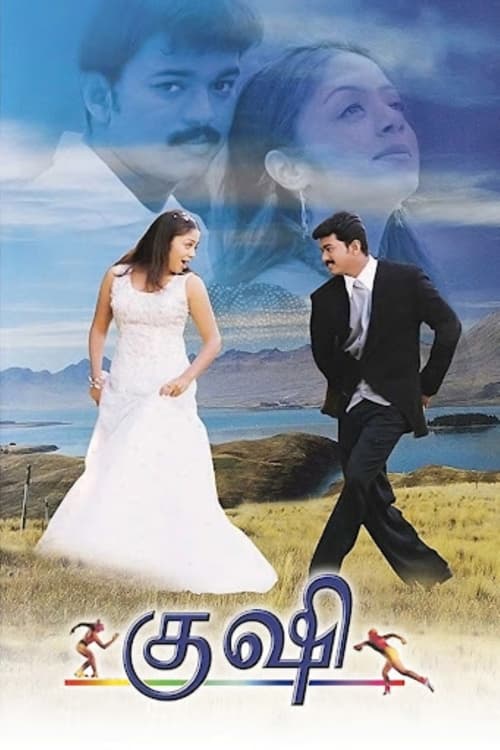
Khushi
2001
No user ratings available yet
Representation score: 1.8 out of 10
Representation Score
Limited
2000
Director
S. J. Suryah
Runtime
178 minutes
Average Rating
No ratings yetNew Showbiz Analysis
Kushi is a character-focused exploration of romantic freedom that challenges traditional gender roles. By emphasizing the female protagonist's intellectual and emotional independence, the film deviates from the typical passive female archetype. However, the film stays within the confines of conventional commercial cinema. It emphasizes personal romantic desires and ego over broader social or political critiques, leading to a narrative that doesn't explore multiple layers of diversity. The production centers on a localized, culturally consistent experience. While it authentically represents its regional setting, it does not address racial diversity or deeper societal critiques.
Category Breakdown
The film follows a traditional heterosexual storyline and does not include any non-cisgender gender identities or same-sex relationships.
The movie breaks down gender stereotypes by focusing on the female lead's independence. Jaya is shown to have significant influence, defying traditional romance norms and the passive heroine stereotype.
The film showcases a culturally uniform South Indian setting and cast. It offers an authentic glimpse into the region's unique identity.
The story unfolds within traditional Indian social values and middle-class dynamics. It respects existing social hierarchies without questioning them or advocating against capitalism.
The film does not feature any characters with visible or invisible disabilities that play a central role in the narrative.
Present on Screen
Limited or Absent
Official Synopsis
College friends Jenny and Shiva part ways due to a misunderstanding. Although they are in love and realize they cannot live without each other, their egos prevent them from uniting.
2001
1998

2005
2000

2020

2012

1997

1999
No reviews yet. Be the first to share your thoughts on this movie!
Use the rating form above to leave a star rating and optional review.