Pardes
1997
No user ratings available yet
Representation score: 2.1 out of 10
Representation Score
Minimal
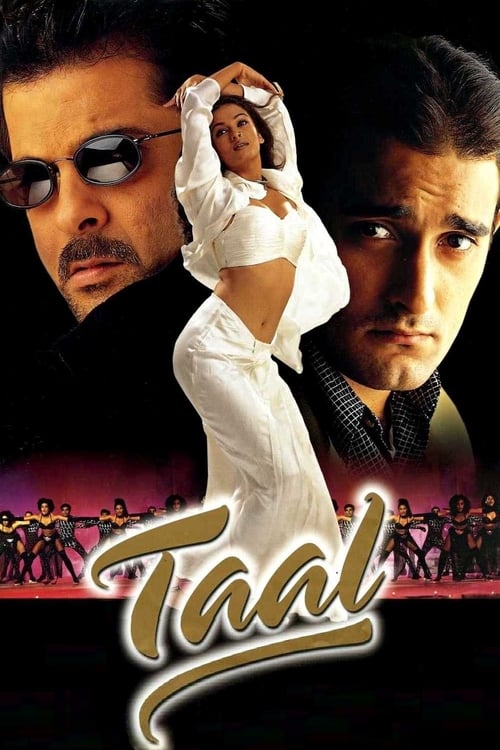
1999
Not RatedDirector
Subhash Ghai
Runtime
177 minutes
Average Rating
No ratings yetNew Showbiz Analysis
Taal is a classic romantic melodrama that adheres to traditional storytelling methods. While it delves into class barriers through its protagonists, it does so within a framework that upholds conventional social orders and romantic clichés. The film reinforces traditional cultural archetypes and gender hierarchies, celebrating the importance of family duties rather than challenging them. This results in a narrative that stays within the boundaries of classical Bollywood melodrama. Ultimately, the absence of diverse identity representation and multi-layered complexity limits the film’s scope to a traditional storyline.
Category Breakdown
The film centers on a heterosexual relationship and does not include any characters with non-cisgender identities or same-sex relationships.
Mansi plays a significant role in her romantic life, but her character is still defined by her interactions with men. Masculinity is shown through traditional standards of strength and competence.
The cast primarily features North Indians, staying true to the Himachal Pradesh setting. It maintains cultural authenticity without actively diversifying the cast.
The story is grounded in traditional social structures and economic hierarchies. It emphasizes the emotional significance of family ties without questioning these traditions.
There is no depiction of physical, sensory, or neurodivergent disabilities in the main storyline.
Present on Screen
Limited or Absent
Official Synopsis
Businessman Manav falls for aspiring singer, Mansi, but their romance faces an uphill climb when Manav must depart and Mansi's suave manager moves in.
1997
1991
1981

2004

2005

2007
1995

1989
No reviews yet. Be the first to share your thoughts on this movie!
Use the rating form above to leave a star rating and optional review.