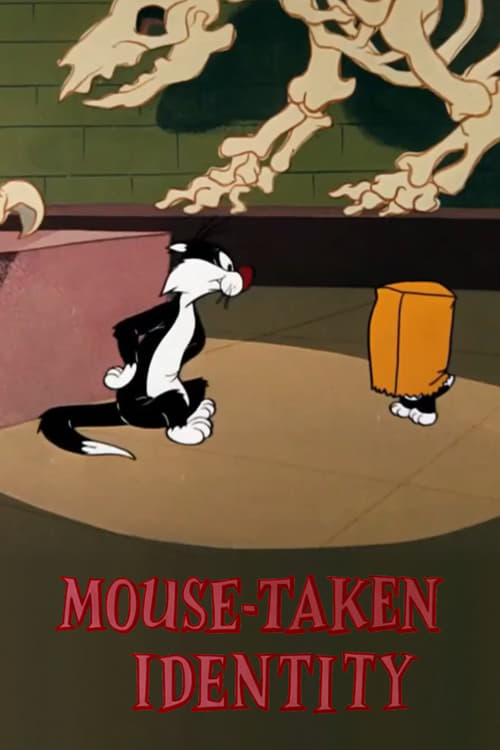
Mouse-Taken Identity
1957
No user ratings available yet
Representation score: 0.5 out of 10
Representation Score
Minimal
1952
Director
Robert McKimson
Runtime
7 minutes
Average Rating
No ratings yetNew Showbiz Analysis
This film is a classic example of its time, relying on physical comedy and established studio hierarchies. It uses classic predator-versus-prey scenarios rather than social commentary. Because the characters are anthropomorphic animals, the film avoids depicting human racial, ethnic, or religious markers. The narrative structure emphasizes traditional 1950s social roles, particularly the dynamic between an incompetent father and a disappointed son. Overall, the film does not engage with multi-layered identities or systemic critiques, focusing instead on slapstick humor and biological differences between species.
Category Breakdown
The film does not include any LGBTQ+ characters or romantic subplots. Instead, it focuses on the relationship between Sylvester and Junior.
The story revolves around a traditional father-son relationship. While Sylvester's incompetence challenges typical masculine ideals, Junior's shame upholds expectations of paternal responsibility.
Since the characters are anthropomorphic animals, the film does not depict human racial or ethnic diversity. Characters are defined by species rather than human racial contexts.
The film follows mid-century Western comedic traditions and traditional family structures. It reflects the organized, structured world of 1950s animation.
There are no representations of physical, sensory, or neurodivergent disabilities. The characters' actions are driven by instinct and comedic misunderstandings.
Present on Screen
Limited or Absent
Official Synopsis
A baby kangaroo, Hippety Hopper, breaks free from a crate at the Zoo Office and hops into the house of Sylvester Cat and his son, Junior. They mistake Hippety for a giant mouse, and Sylvester is pummelled again and again by the playful kangaroo, causing Junior to put a paper bag over his head in shame for his father.
1957
1955
1956
1952
1948
1964
1961
1959
No reviews yet. Be the first to share your thoughts on this movie!
Use the rating form above to leave a star rating and optional review.