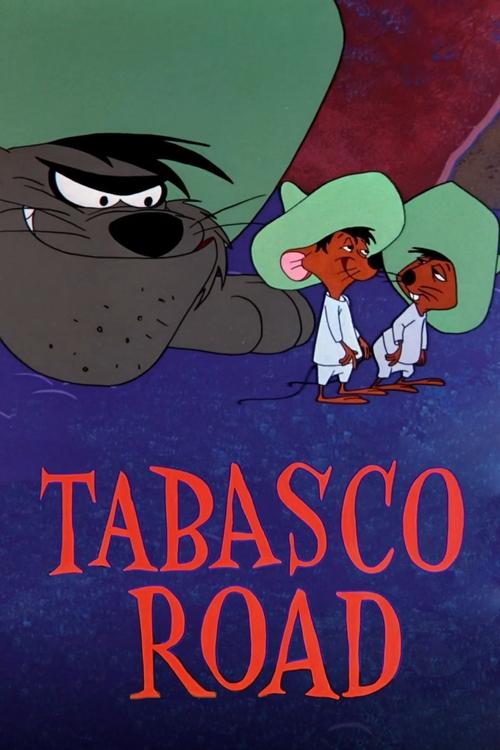
Tabasco Road
1957
No user ratings available yet
Representation score: 1.1 out of 10
Representation Score
Minimal
1959
ApprovedDirector
Robert McKimson
Runtime
6 minutes
Average Rating
No ratings yetNew Showbiz Analysis
Produced during the Golden Age of American animation, this short film adheres to slapstick traditions and archetypal dynamics of the Warner Bros. studio system. The narrative prioritizes physical humor over social commentary, resulting in a low diversity profile. The film operates within the standard social hierarchies of the late 1950s. It relies on conventional domestic settings and traditional character pairings that lack multi-layered depth or progressive representation. Ultimately, the work is a standard comedic vignette reflecting a historical period marked by a lack of intentional diversity and a focus on homogeneous, traditional social structures.
Category Breakdown
The film does not include any LGBTQ+ characters or those with non-conforming gender identities. The focus on Clyde and Matilda Mouse suggests a traditional nuclear family structure.
Character names suggest traditional gender roles. The narrative follows mid-century conventions where masculine and feminine roles are defined by conventional archetypes.
The production centers on anthropomorphic animals, avoiding human racial or ethnic diversity. It presents a homogeneous cast typical of 1959 animation.
The story aligns with traditional Western social norms and moral frameworks of the 1950s. There is no evidence of challenging domestic or social institutions.
There are no characters with visible or invisible disabilities. The narrative focuses on a situation involving animal characters.
Present on Screen
Limited or Absent
Official Synopsis
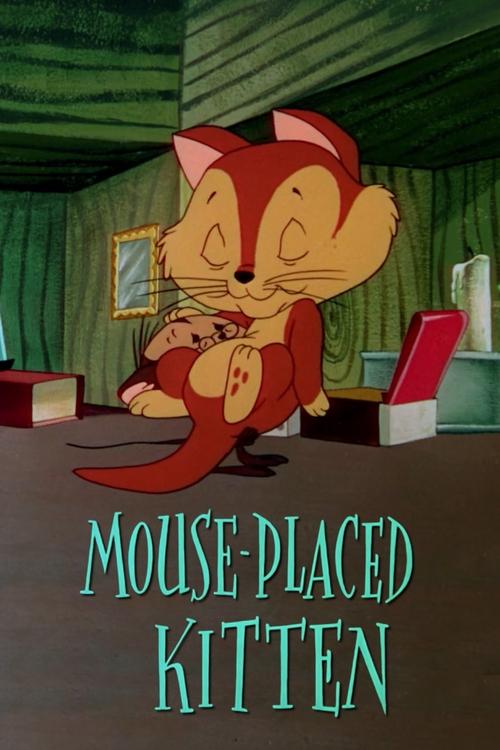
A kitten is dropped in a sack out of a car and rolls down a hill, to arrive at the door of Clyde and Matilda Mouse...
1957
1950
1947
1941
1962
1940
1945
1944
No reviews yet. Be the first to share your thoughts on this movie!
Use the rating form above to leave a star rating and optional review.