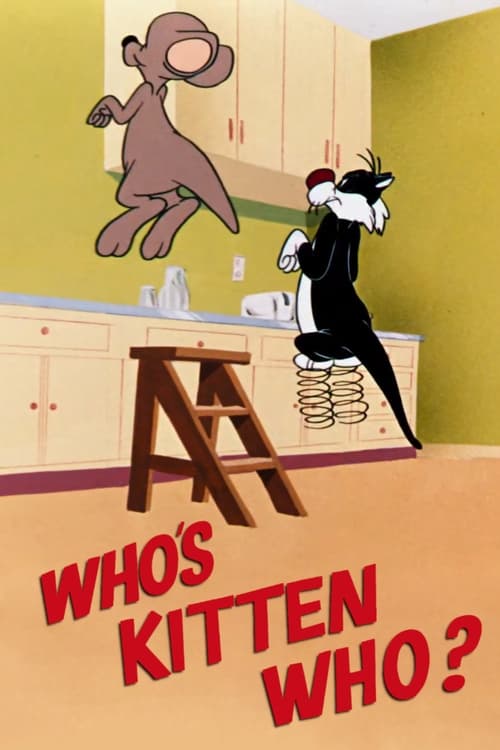
Who's Kitten Who?
1952
No user ratings available yet
Representation score: 0.4 out of 10
Representation Score
Limited
1964
ApprovedDirector
Robert McKimson
Runtime
6 minutes
Average Rating
No ratings yetNew Showbiz Analysis
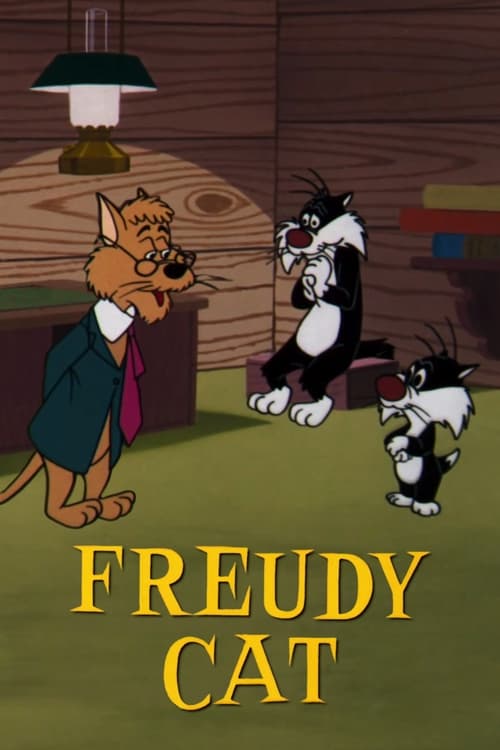
Freudy Cat is a character study centered on psychological frustration and the erosion of masculine pride. The plot follows Sylvester's descent into a 'basket case' state as he seeks psychiatric help to cope with his perceived inadequacy. While the film challenges the stereotype of the competent male predator, it does so within a very narrow, traditional framework. The focus on a father-son dynamic and the use of mental health as a comedic device keeps the narrative rooted in mid-20th-century archetypes. Ultimately, the short lacks demographic breadth and multi-layered complexity. It functions as a classic comedic exploration of individual neurosis rather than a critique of systemic social structures.
Category Breakdown
The story focuses solely on the father-son relationship and the protagonist's psychological state, with no indication of LGBTQ+ identities or same-sex intimacy.
Sylvester's struggle with pride and competence challenges traditional masculine leadership. However, the father-son dynamic upholds a conventional patriarchal family structure.
The cast comprises anthropomorphic animals, which excludes any racial or ethnic diversity. The story remains isolated from human demographic complexities.
The film employs a clinical psychiatric framework to examine individual neuroses. It lacks critical social commentary, focusing instead on traditional roles of pride and protection.
Sylvester's psychological distress and psychiatric visits introduce mental health themes. However, these elements serve mainly as comedic catalysts for slapstick humor rather than nuanced character development.
Present on Screen
Limited or Absent
Official Synopsis
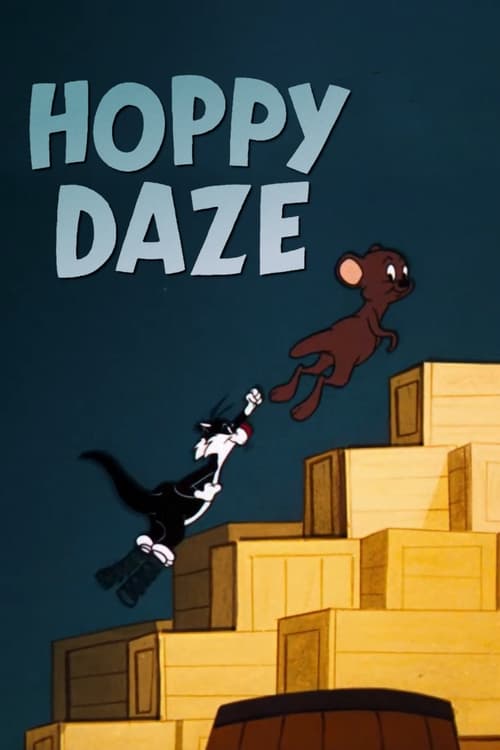
Sylvester Cat is a basket case, convinced that baby kangaroo Hippety Hopper is everywhere, around every corner, waiting to damage his pride yet again in front of his son. Junior takes his fearful father to a cat psychiatrist to whom Sylvester confides his constant frustration at being unable to defeat the "giant mouse".
1952
1956
1957
1966
1962
1955
1956
1961
No reviews yet. Be the first to share your thoughts on this movie!
Use the rating form above to leave a star rating and optional review.