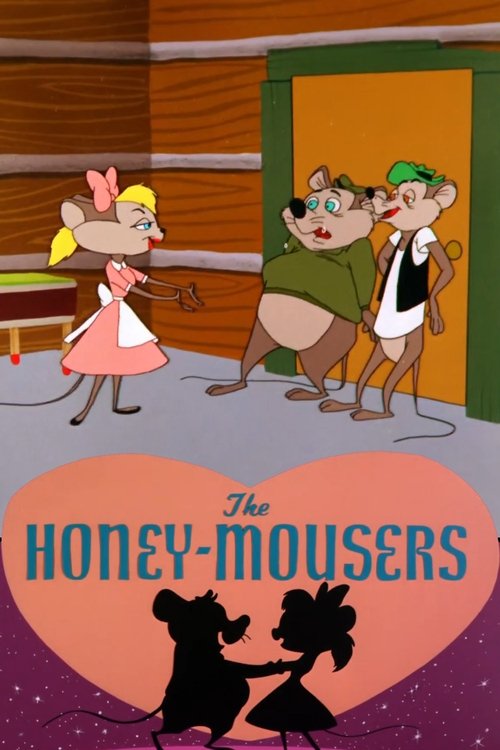
The Honey-Mousers
1956
No user ratings available yet
Representation score: 0.5 out of 10

Representation Score
Minimal
1957
ApprovedDirector
Robert McKimson
Runtime
7 minutes
Average Rating
No ratings yetNew Showbiz Analysis
Cheese It, the Cat! is a mid-century animated short that focuses on the mechanics of slapstick comedy. The narrative centers on the classic cat-and-mouse chase, creating a closed loop of physical humor. The film lacks the complexity needed for a layered analysis of identity. Since the characters are anthropomorphic animals in a narrow domestic context, they do not explore identity or social hierarchies. Ultimately, the work adheres to the conventional comedic clichés of the 1950s, providing a predictable framework of conflict without engaging in progressive narrative elements.
Category Breakdown
The film does not depict any LGBTQ+ identities or queer subtext. The character dynamics revolve around a predator-prey relationship.
Characters adhere to traditional gender roles within a domestic setting. A mouse tries to provide for his wife, but the roles are typical and lack psychological depth.
The cast comprises anthropomorphic animals. There is no indication of racialized casting or ethnic characterization within the domestic setting.
The narrative upholds Western domestic structures, such as the nuclear family and the working-class provider. It does not critique religion or Western institutions.
There are no visible or invisible disabilities portrayed. The physical comedy relies on standard cartoon physics rather than representing neurodivergence or impairment.
Present on Screen
Limited or Absent
Official Synopsis
A working-class mouse, who wants to steal a birthday cupcake for his wife, enlists his friend in an effort to get rid of the cat who has suddenly appeared in the kitchen.
1956
1965
1951
1950
1967
1956

1959
1959
No reviews yet. Be the first to share your thoughts on this movie!
Use the rating form above to leave a star rating and optional review.