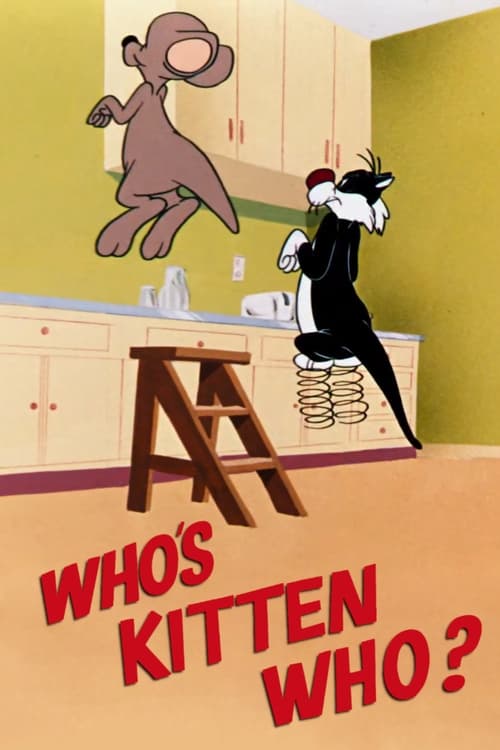
Who's Kitten Who?
1952
No user ratings available yet
Representation score: 0.4 out of 10
Representation Score
Minimal
1955
Director
Robert McKimson
Runtime
7 minutes
Average Rating
No ratings yetNew Showbiz Analysis
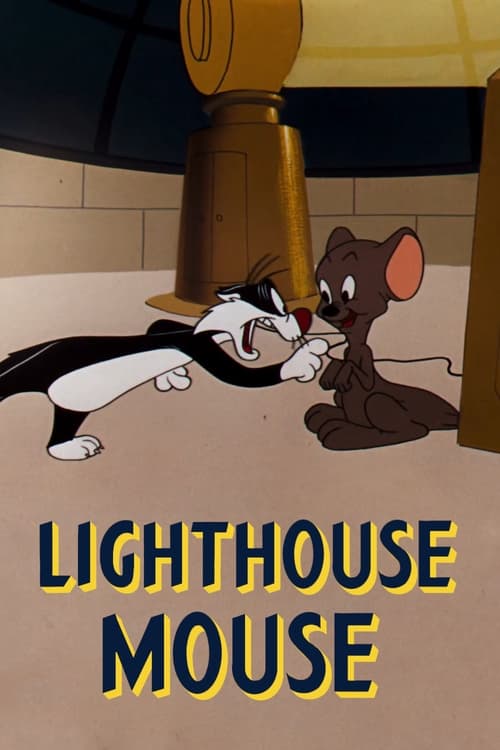
Lighthouse Mouse is a classic mid-century slapstick short that prioritizes physical humor over social or identity-driven narratives. The conflict is localized between Sylvester Cat and a mouse, with Hippety Hopper serving as an incidental character. Since the film operates within a closed system of predator-versus-prey dynamics, it lacks the complexity needed for meaningful representation. The characters function as archetypes for comedy rather than vehicles for social commentary or diverse lived experiences. Ultimately, the film reflects the standard animation practices of 1955, focusing on situational conflict rather than challenging existing social hierarchies or exploring overlapping identities.
Category Breakdown
The film focuses entirely on a conflict between a cat, a mouse, and a baby kangaroo. There are no depictions of LGBTQ+ identities or same-sex relationships.
The characters are anthropomorphic animals, so there is no deep exploration of gender roles. The narrative follows a typical predator-versus-prey dynamic without addressing gendered power structures.
The characters and setting are rooted in a traditional Western animated style. There is no indication of diverse casting or the use of species as metaphors for ethnic diversity.
The story relies on traditional Western storytelling clichés centered on individual survival. It lacks engagement with systemic critiques, religious themes, or complex moral relativism.
Physical slapstick and bodily distress are used strictly as comedic devices. The film does not explore neurodivergence or physical disabilities as central identities or lived experiences.
Present on Screen
Limited or Absent
Official Synopsis
Sylvester Cat is a lighthouse keeper's mouse-catcher assigned to keep a mouse from unplugging the light. The mouse only wants a good night's sleep and asks Hippety Hopper, the baby kangaroo who has just crashed off of a ship on the nearby rocks, to help him fight Sylvester and keep the lighthouse light turned off.
1952
1952
1949
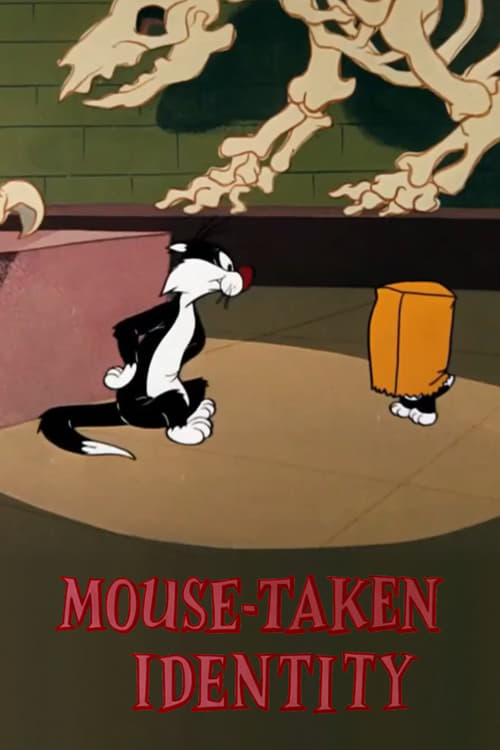
1957
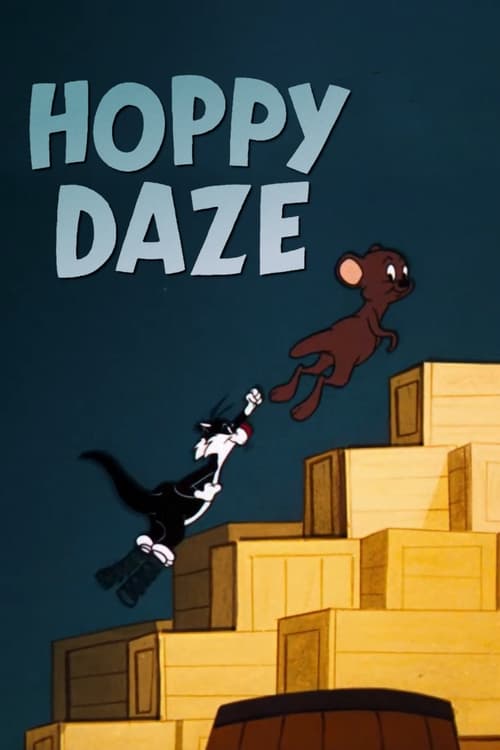
1961
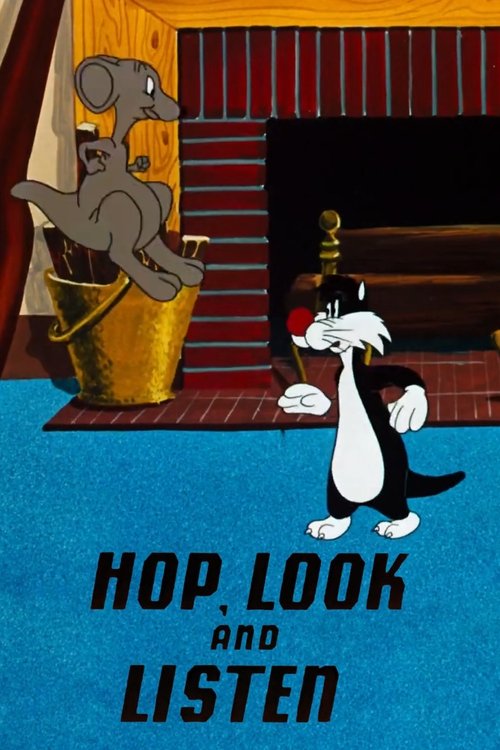
1948
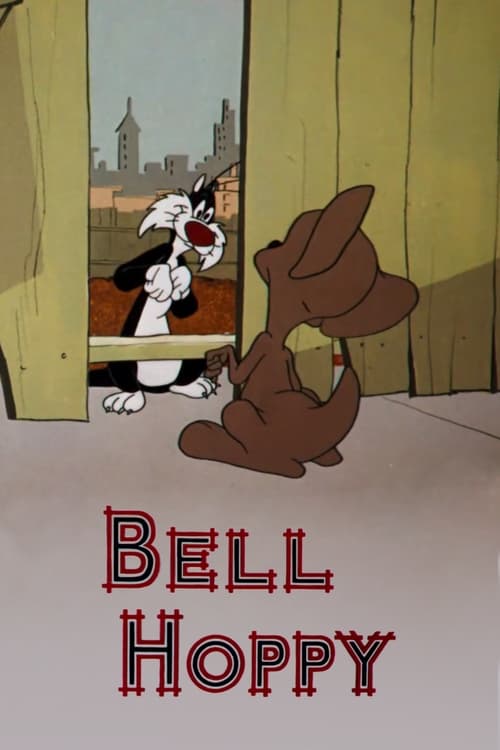
1954

1957
No reviews yet. Be the first to share your thoughts on this movie!
Use the rating form above to leave a star rating and optional review.