
Midnight
1934
No user ratings available yet
Representation score: 2.1 out of 10
Representation Score
Limited
1939
ApprovedDirector
Harold D. Schuster
Runtime
61 minutes
Average Rating
No ratings yetNew Showbiz Analysis
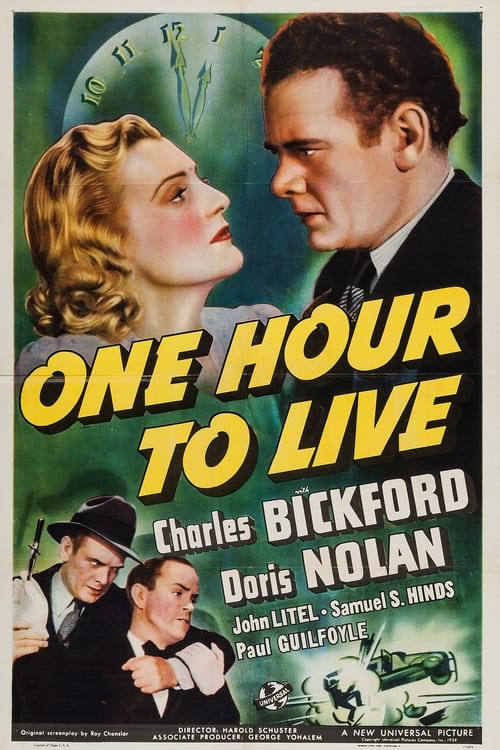
One Hour to Live is a quintessential product of the 1939 Hollywood studio system. It operates within a rigid crime-and-consequence framework that prioritizes established genre clichés over social subversion. The film focuses on the conflict between gangsters and law enforcement, reinforcing the era's conventional moral hierarchies. Because the production follows standard crime drama conventions, it lacks multi-layered depth. The narrative structure is built around traditional authority and social stability, offering little room for diverse perspectives or non-traditional identities. Ultimately, the film serves as a historical snapshot of a period characterized by homogeneous casting and strict adherence to traditional social norms.
Category Breakdown
The film adheres to the traditional standards of 1939, where everyone is assumed to be straight or cisgender. There is no evidence of characters with non-binary gender identities or narratives that challenge traditional gender roles.
Female characters likely serve as secondary figures or motivators for male protagonists. They lack the independent role needed to drive the main crime-and-consequence storyline.
The casting reflects the homogeneous social norms of the late 1930s. The narrative prioritizes Anglo-centric perspectives without showing a diverse cast of characters.
The story aligns with traditional Western values regarding law and order. It reinforces social stability and legal authority rather than exploring alternative cultural themes.
There is no evidence of characters with disabilities portrayed with real power. Physical impairments in this era often served as mere plot devices rather than nuanced character studies.
Present on Screen
Limited or Absent
Official Synopsis
Gangsters and police cross each other, including murder, in an attempt to cover up crimes.
1934
1949
1939
1935
1939
1935
1947
1945
No reviews yet. Be the first to share your thoughts on this movie!
Use the rating form above to leave a star rating and optional review.