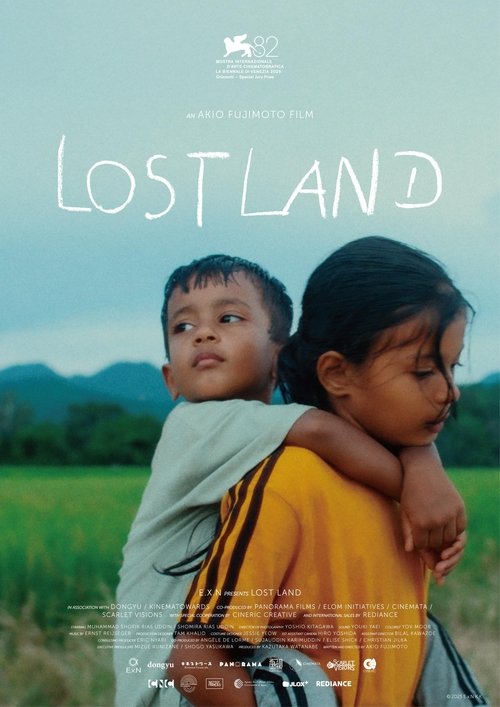
Lost Land
2026
No user ratings available yet
Diversity score: 6.9 out of 10

2022
Director
Emma Kawawada
Runtime
114 minutes
Average Rating
No ratings yetSynopsis
Sarya lives between three worlds: Having fled from Turkey to Japan, her small family tries to maintain their Kurdish traditions. On the other hand, Sarya, who arrived when she was five, feels at home in Japan. But then, the family loses its refugee-status. Life becomes unpredictable and their days in Japan seem numbered. A haunting story about the balancing act of finding your place in the world.
Overall Score
Good
Category Breakdown
LGBTQ+ Representation
The film maintains a neutral stance regarding LGBTQ+ identities. It does not center queer narratives or non-cisnormative expressions, focusing instead on familial survival.
Gender Representation
Female characters navigate precarious agency and emotional labor within a displaced family unit. This subtly challenges traditional patriarchal hierarchies, though the focus remains on survivalism.
Racial & Ethnic Diversity
The film excels by centering the Kurdish diaspora in Japan. It disrupts monolithic views of Japanese society by highlighting the lived experiences of a non-white, non-Japanese family.
Religious & Cultural Diversity
The narrative critiques the rigidity of immigration laws and state-sanctioned residency. It explores the friction between ancestral traditions and the pressures of host-country assimilation.
Disability Representation
There is no explicit representation of characters with visible or invisible disabilities. The story prioritizes the psychological toll of displacement and socioeconomic precarity.
Strengths
Areas for Improvement
AI Analysis
Emma Kawawada’s drama provides a vital disruption of the monolithic perception of Japanese domestic life. By centering a Kurdish refugee family, the film offers a nuanced look at intersectional identity and the friction between ancestral heritage and national belonging. The strength of the work lies in its portrayal of ethnic plurality and the systemic vulnerabilities faced by displaced populations. It moves beyond simple drama to examine how state-sanctioned residency dictates the stability of a family's existence. While the film lacks specific focus on LGBTQ+ or disability-centric themes, its exploration of ethnic and institutional norms provides a meaningful departure from traditional cinematic structures.
2026

2018

2017

2003

2021

2019
2019

2022
2002

2021

2017
2020
No reviews yet. Be the first to share your thoughts on this movie!
Use the rating form above to leave a star rating and optional review.