What's for Dinner, Mom?
2017
No user ratings available yet
Representation score: 8.6 out of 10
Representation Score
Excellent
2018
Director
Eric Khoo
Runtime
90 minutes
Average Rating
No ratings yetNew Showbiz Analysis
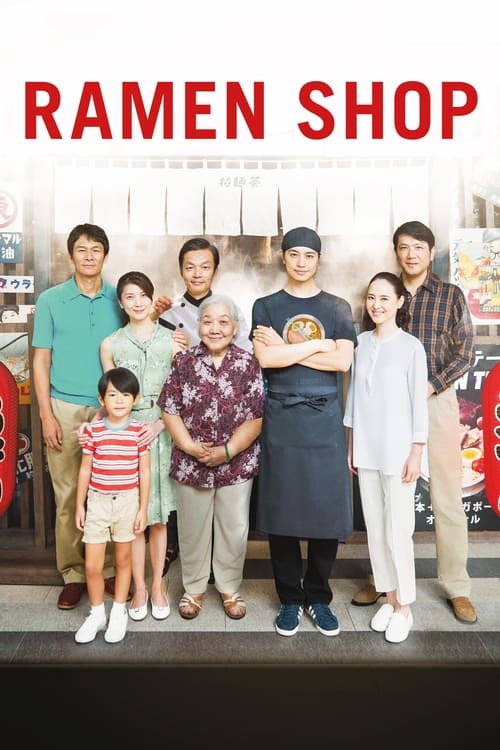
Ramen Shop is a sophisticated exploration of identity and connection, anchored by its rich multicultural setting. The film's greatest strength lies in its authentic depiction of Singapore's diverse racial and ethnic landscape, moving beyond Western-centric formulas to present a realistic, layered environment. While the film excels in racial and cultural nuance, it remains somewhat restrained in its explicit representation of LGBTQ+ identities and visible disabilities. The narrative leans more toward emotional and psychological states than overt identity politics. Ultimately, the film succeeds as a postmodern commentary on urban isolation. It uses food and episodic vignettes to bridge the gap between fragmented lives, offering a nuanced look at how people navigate loneliness in a consumerist society.
Category Breakdown
The film uses an episodic structure to explore various human connections. It avoids a central LGBTQ+ protagonist, opting instead for a fluid depiction of intimacy that goes beyond assumptions about straight relationships.
The narrative disrupts traditional hierarchies by focusing on the internal emotional landscapes of its characters. Women are portrayed with depth and autonomy, often serving as vital emotional anchors.
The film excels in depicting Singapore's multicultural landscape. By featuring Chinese, Malay, and Indian identities, it avoids a homogeneous norm and reflects the demographic reality of the setting.
The story offers a critique of modern urbanity and the impersonal nature of capitalism. It uses the ritualistic experience of food to explore subjective morality and secular connection.
There is limited explicit focus on visible or neurodivergent disabilities. However, the film explores the mental toll of urban isolation and the invisible struggles of social alienation.
Present on Screen
Limited or Absent
Official Synopsis
Masato is a young ramen chef in Japan. When he finds his late mother's journal after the sudden death of his emotionally distant father, he takes it with him to her native country, Singapore, hoping to piece together the story of his family and his life.
2017

2015
2011

2018

2018

2014

2016

2013
No reviews yet. Be the first to share your thoughts on this movie!
Use the rating form above to leave a star rating and optional review.