Ru
2023
No user ratings available yet
Representation score: 6.3 out of 10
Representation Score
Fair
2026
Director
Akio Fujimoto
Runtime
99 minutes
Average Rating
No ratings yetNew Showbiz Analysis
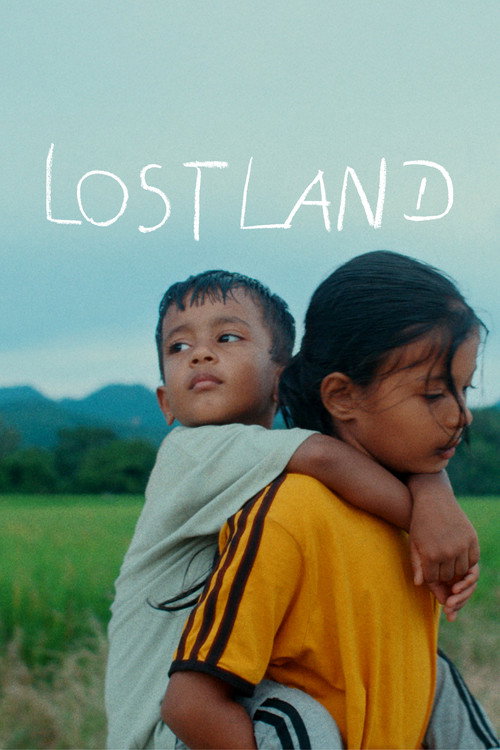
Lost Land places Rohingya refugee children at the center of a harrowing journey from Bangladesh to Malaysia. Their ethnic identity and displacement are not background details but the engine of the plot, giving the film strong racial and cultural representation. Gender balance is a clear strength: nine-year-old Somira co-leads with her brother, sharing responsibility, courage, and narrative focus. The film treats both children as equally capable, avoiding gendered hierarchies. The absence of LGBTQ+ characters and people with disabilities narrows its scope. While the story’s focus is coherent, these omissions limit the range of lived experiences reflected on screen.
Category Breakdown
No LGBTQ+ characters or same-sex relationships appear. The narrative concentrates on two refugee children seeking their family, leaving queer identities absent from the story.
Nine-year-old Somira co-leads the journey with her brother, sharing equal narrative weight. Both children are portrayed as capable and resilient amid danger, balancing gender roles.
Rohingya refugees, played by actors of color, anchor the film. Their ethnic identity and displacement drive the entire plot, centering a marginalized community.
The story frames the refugee experience as a consequence of geopolitical conflict and systemic failure. It underscores the vulnerability of displaced families seeking safety abroad.
No characters with physical or mental disabilities appear. The narrative concentrates on the children’s physical journey and survival, omitting disability representation.
Present on Screen
Limited or Absent
Official Synopsis
In the hope of reuniting with their scattered family, four-year-old Shafi and his nine-year-old sister Somira leave a Rohingya refugee camp in Bangladesh on a perilous journey to reach Malaysia.
2023
2009
2024
2013

2018

2020

2016
2017
No reviews yet. Be the first to share your thoughts on this movie!
Use the rating form above to leave a star rating and optional review.