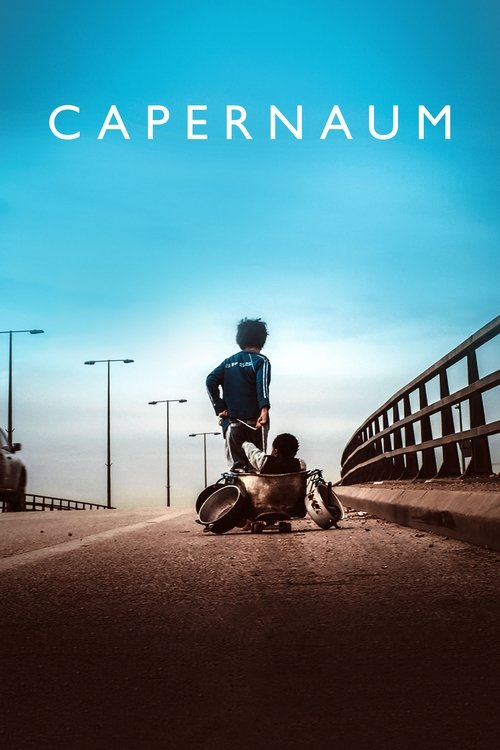
Capernaum
2018
No user ratings available yet
Representation score: 7.0 out of 10

Representation Score
Excellent
2021
Director
Kaouther Ben Hania
Runtime
104 minutes
Average Rating
No ratings yetNew Showbiz Analysis
Kaouther Ben Hania’s drama is a sophisticated deconstruction of how global capitalism and the Western art world commodify human trauma. By centering a Syrian refugee, the film moves beyond simple victimhood to explore the loss of bodily autonomy. The film's greatest strength lies in its refusal to present the refugee experience through a lens of charity. Instead, it uses the protagonist's skin as a metaphor for the intersection of ethnicity and the Western appetite for exoticized suffering. While the film lacks specific LGBTQ+ or disability-focused narratives, it succeeds as a profound critique of systemic oppression and the ways dominant cultural institutions consume identity.
Category Breakdown
The film adheres to a conventional structure that assumes everyone is straight. It does not include explicit queer relationships or character arcs focused on LGBTQ+ experiences, concentrating instead on familial bonds and the protagonist's quest for stability.
Gender power dynamics are examined through a strong maternal figure who avoids submissive stereotypes. The narrative also critiques patriarchal authority within the male-dominated art market.
The film stands out by centering a Syrian refugee within a European art narrative. It uses Arabic calligraphy on the protagonist's skin to challenge Western-centric storytelling and the marginalization of Middle Eastern identities.
The story provides a sharp critique of how Western institutions consume human suffering. It explores the moral complexities of a displaced person navigating systemic power imbalances.
While the film does not specifically represent neurodivergent or physical disabilities, it examines bodily autonomy. It portrays the psychological impact of being treated as a non-human object through forced physical transformation.
Present on Screen
Limited or Absent
Official Synopsis
To be able to travel to Europe and find the love of his life, Sam Ali, a Syrian refugee, accepts to have his back tattooed by one of the most sulfurous contemporary artist; becoming that way a precious work of art.
2018

2020
2020
2009
2015
2011
2020
2014
No reviews yet. Be the first to share your thoughts on this movie!
Use the rating form above to leave a star rating and optional review.