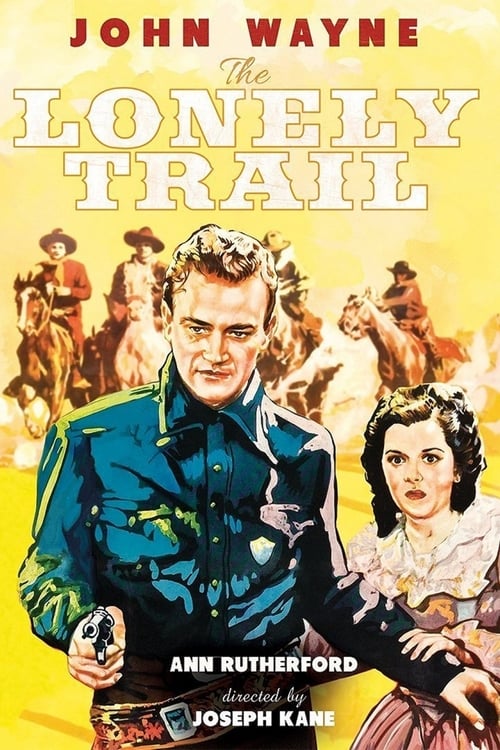
The Lonely Trail
1936
No user ratings available yet
Diversity score: 1.8 out of 10
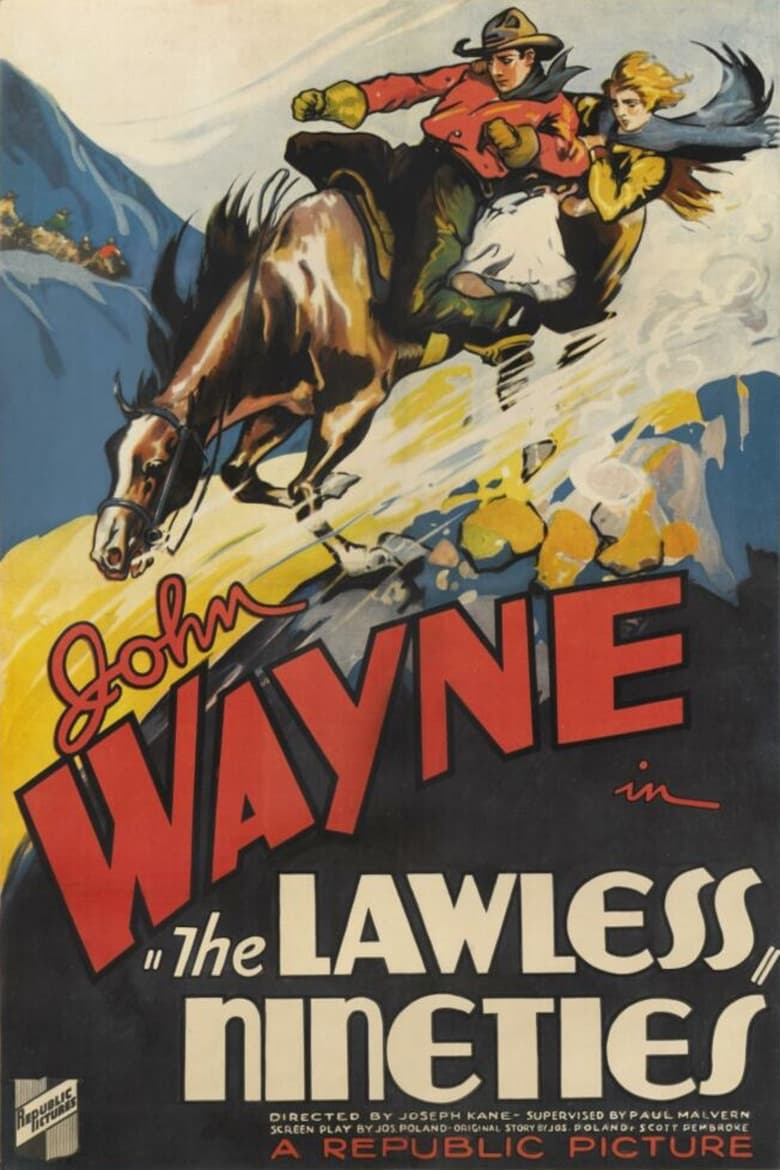
1936
Director
Joseph Kane
Runtime
55 minutes
Average Rating
No ratings yetSynopsis
Federal Agents Tipton and Bridger have been sent to Wyoming where the vote on statehood is imminent. Plummer and his gang are out to make sure the vote fails. When Plummer's men kill Bridger, Tipton fights on. He sends fake telegrams that trap some of Plummer's men. Then he organizes the ranchers and on election day they descend on the town barricaded by Plummer's gang.
Overall Score
Minimal
Category Breakdown
LGBTQ+ Representation
The film operates within a strictly conventional framework. There are no depictions of non-cisnormative gender identities or same-sex intimacy.
Gender Representation
Narrative agency is concentrated in male authority figures like Tipton and Bridger. Women lack central roles, reinforcing traditional 1930s masculine leadership and protector archetypes.
Racial & Ethnic Diversity
The cast is predominantly white, focusing on Anglo-American settlers and federal agents. Characters of color lack significant narrative agency in this Wyoming statehood struggle.
Religious & Cultural Diversity
The story emphasizes the civilizing of the frontier through law and political institutions. It validates the triumph of established social structures over lawlessness.
Disability Representation
Characters are portrayed through standard Western archetypes of lawmen and outlaws. There is no discernible presence of characters with visible or invisible disabilities.
Strengths
Areas for Improvement
AI Analysis
The Lawless Nineties is a quintessential product of 1930s Hollywood, prioritizing genre tropes over social complexity. The narrative focuses on the establishment of law and order in Wyoming, driven almost entirely by male protagonists and federal authority. Representation is limited by the era's standard practices, resulting in a cast that lacks racial diversity and a plot that ignores LGBTQ+ identities or disability. The film functions to reinforce the status quo of the frontier era rather than challenge it. Ultimately, the film serves as a reinforcement of traditional hierarchies, centering on masculine leadership and the institutionalization of the American West.
1936
1948
1939
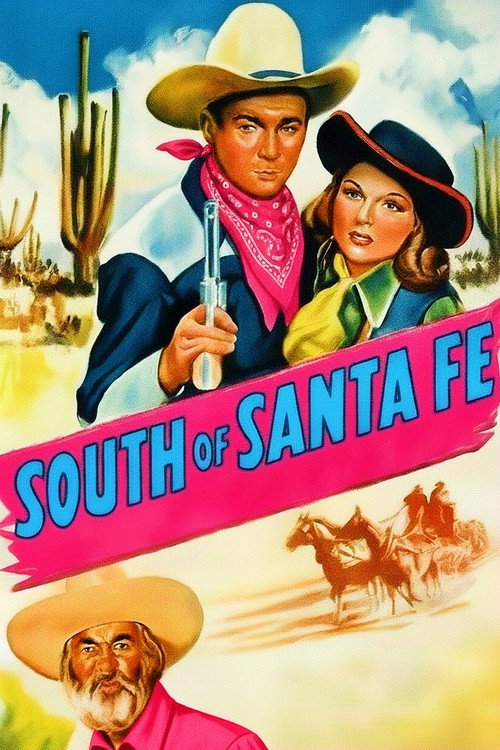
1942
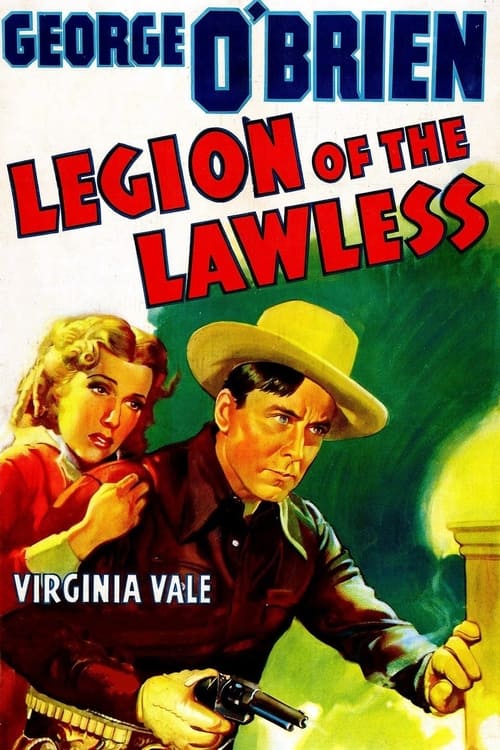
1940
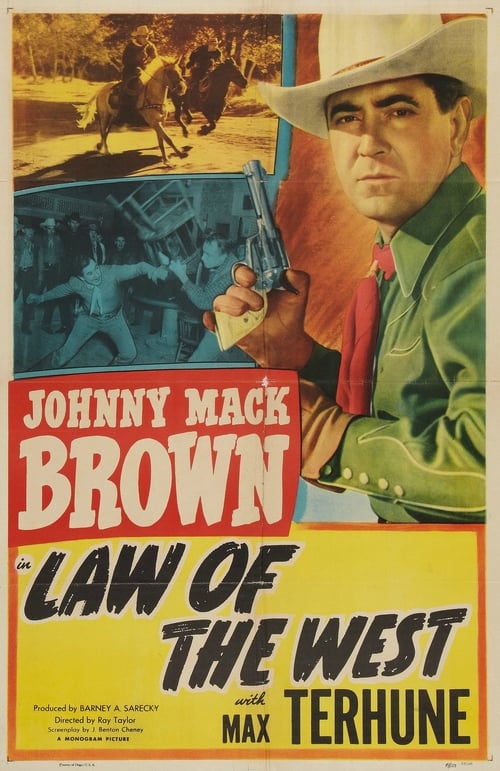
1949

1937
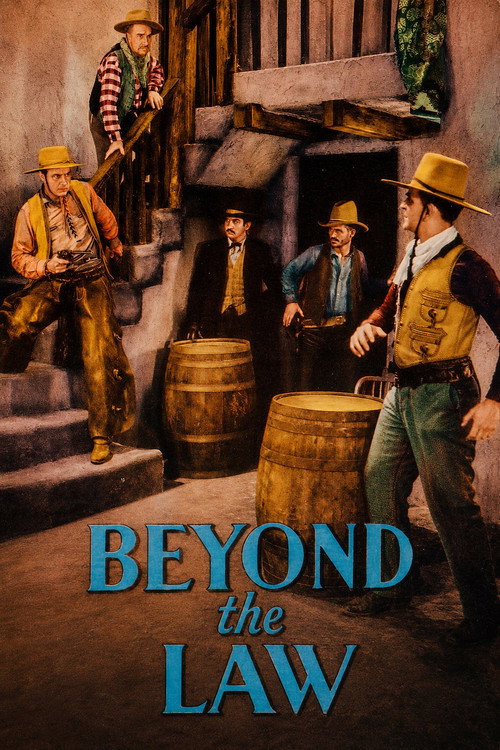
1930
1937
1947

1945
1950
No reviews yet. Be the first to share your thoughts on this movie!
Use the rating form above to leave a star rating and optional review.