
A Tale of Two Cities
1980
No user ratings available yet
Representation score: 4.7 out of 10
Representation Score
Limited
2000
RDirector
Patrice Leconte
Runtime
112 minutes
Average Rating
No ratings yetNew Showbiz Analysis
The film is a period drama rooted in Romanticism rather than modern identity politics. While it lacks racial and sexual diversity, it succeeds in challenging traditional gender roles through its female protagonist. Jeanne's active role provides a necessary disruption to the expected passivity of women in 19th-century settings. This focus on individual autonomy creates a compelling tension against the rigid legal structures of the time. Ultimately, the film's strength lies in its thematic exploration of subjective morality. It uses a romantic lens to critique institutional authority, even if the visual representation remains historically homogeneous.
Category Breakdown
The film does not include any LGBTQ+ characters or non-cisgender identities. The central romantic storyline follows a strictly heterosexual structure typical of its period setting.
Jeanne challenges 19th-century gender norms by playing a leading role in the plot. Her actions demonstrate significant autonomy and intellectual power.
The cast is predominantly white and European, reflecting the historical setting. The film does not use diverse casting to challenge the era's homogeneity.
The narrative prioritizes emotional truth over legal dictates. It frames the transgression of state authority as a form of personal liberation and individual passion.
There are no significant depictions of physical or neurodivergent disabilities central to the narrative arc.
Present on Screen
Limited or Absent
Official Synopsis
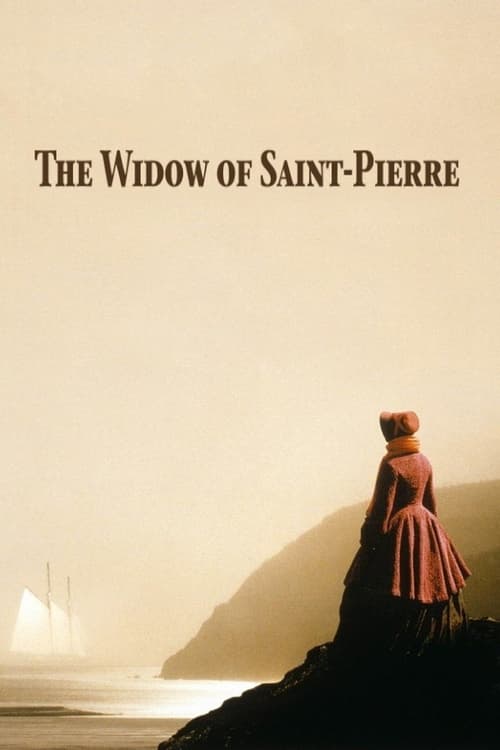
In 1850, on the isolated French island of Saint-Pierre, a murder shocks the natives. Two fishermen are arrested. One of them, Louis Ollivier, dies in custody. The other, Neel Auguste, is sentenced to death by the guillotine. The island is so small that it has neither a guillotine nor an executioner. While those are sent for Auguste is placed under the supervision of an army Captain.
1980

1982

2019

1963

2001

2011

1987

1976
No reviews yet. Be the first to share your thoughts on this movie!
Use the rating form above to leave a star rating and optional review.