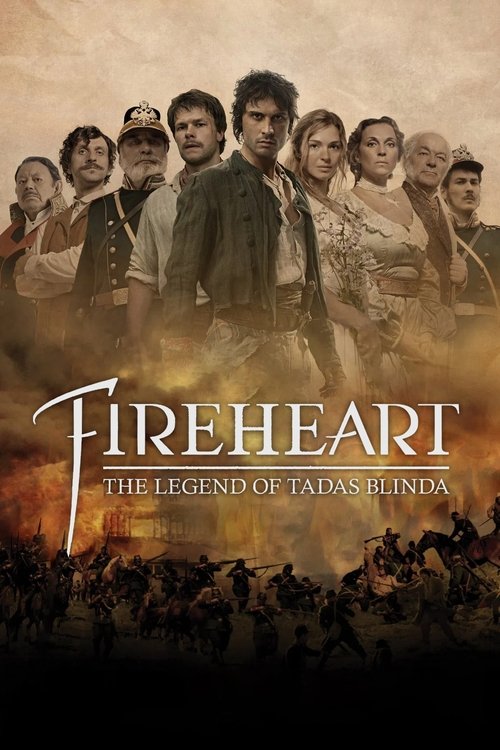
Fireheart: The Legend of Tadas Blinda
2011
No user ratings available yet
Representation score: 4.3 out of 10

Representation Score
Fair
1987
Director
Tadeusz Chmielewski
Runtime
137 minutes
Average Rating
No ratings yetNew Showbiz Analysis
The Faithful River operates within the strict confines of classical historical drama, using established romantic and social clichés to drive its narrative. While the film provides a central role for a female character through traditional caretaking roles, the characters largely reflect the homogeneous social and ethnic landscape of the 1863 era. Ultimately, the film lacks engagement with multi-layered identities and prioritizes historical realism and nationalistic themes over the subversion of social hierarchies or the representation of underrepresented groups.
Category Breakdown
The film focuses on a traditional romance between a gentlewoman and a noble, with no representation of LGBTQ+ identities or ability to act.
A female character provides care to a wounded male, playing a central role in the story through traditional nurturing roles. However, the film relies on established gender hierarchies.
Set during the 1863 insurgency, the film depicts a specific European historical context without including non-white characters or multi-layered casting.
The story emphasizes nationalistic themes and class structures, prioritizing traditional social orders over critiques of institutions or anti-capitalist frameworks.
A wounded survivor serves as a plot catalyst for romance, with the injury functioning as a narrative device rather than a nuanced exploration of physical disability.
Present on Screen
Limited or Absent
Official Synopsis
Set during the insurgency of 1863, the story focuses on a tragic romance between a poor gentlewoman and a rebel noble. After a bloody battle a unit of insurgents have been wiped out and only one survived, but badly wounded. He eventually finds shelter and care from a landsteward's daughter, hiding in a burned-out manor with an old servant.
2011
1999
1992

1970

2018
1995

2000
2000
No reviews yet. Be the first to share your thoughts on this movie!
Use the rating form above to leave a star rating and optional review.