Sacco & Vanzetti
1971
No user ratings available yet
Diversity score: 5.1 out of 10
2001
Director
Pierre Falardeau
Runtime
114 minutes
Average Rating
No ratings yetSynopsis
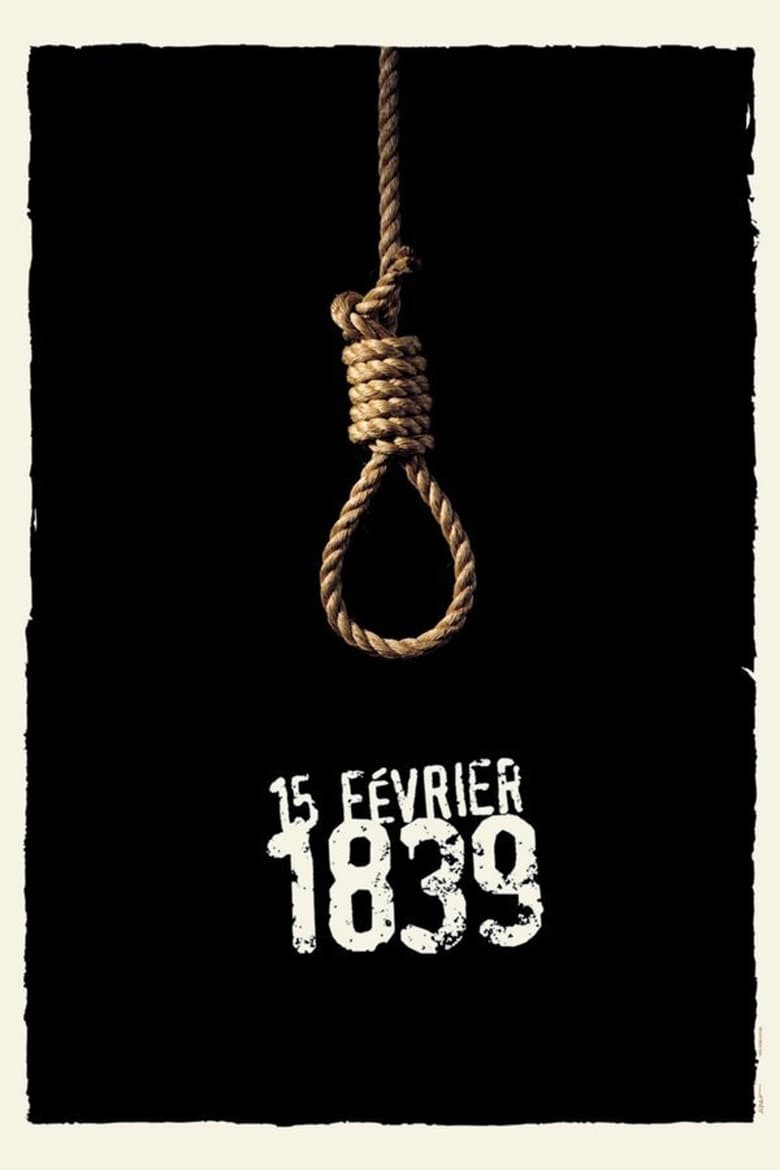
In 1839, months after the British army has repressed the insurrection of the Patriots, hundreds of rebels rot in prison. The morning of February 14, Marie-Thomas Chevalier De Lorimier and Charles Hindelang learn that they will be hung in 24 hours, with three other comrades. While they await their hour of death the condemned spend time and consult with companions and loved ones as well as entrust to those their last wills. At dawn, the five Patriots find the courage to walk with dignity towards the scaffold, knowing that will they die in the name of a just causewww.tribute.ca
Overall Score
Good
Category Breakdown
LGBTQ+ Representation
The narrative focuses strictly on the historical political struggle of the Patriote movement. No non-cisnormative identities or same-sex intimacy are present within the character arcs.
Gender Representation
The story is heavily weighted toward male political figures and combatants. Women appear primarily as loved ones providing emotional support rather than driving the political plot.
Racial & Ethnic Diversity
The film centers the French-Canadian experience against British colonial hegemony. It provides high agency to Québécois protagonists, disrupting traditional empire-centric historical perspectives.
Religious & Cultural Diversity
The film critiques Western imperialist institutions and portrays colonial administration as an oppressive structure. It validates anti-colonial sentiment and explores tensions between the peasantry and the administrative class.
Disability Representation
There are no prominent depictions of physical or neurodivergent disabilities used as central plot devices or character traits.
Strengths
Areas for Improvement
AI Analysis
Pierre Falardeau’s film is a deliberate act of political subversion that prioritizes ethnic and linguistic identity over modern social frameworks. It succeeds as a decolonial narrative by centering the French-Canadian struggle against British authority. However, the film remains tethered to 19th-century social hierarchies. The lack of gendered agency and the absence of LGBTQ+ representation reflect a narrow focus on masculine-coded revolutionary martyrdom. Ultimately, the work trades broad social diversity for deep, intentional cultural critique. It functions less as a diverse ensemble piece and more as a focused reclamation of a marginalized historical identity.
1971
1972
2019
2016
1996
1939
1979
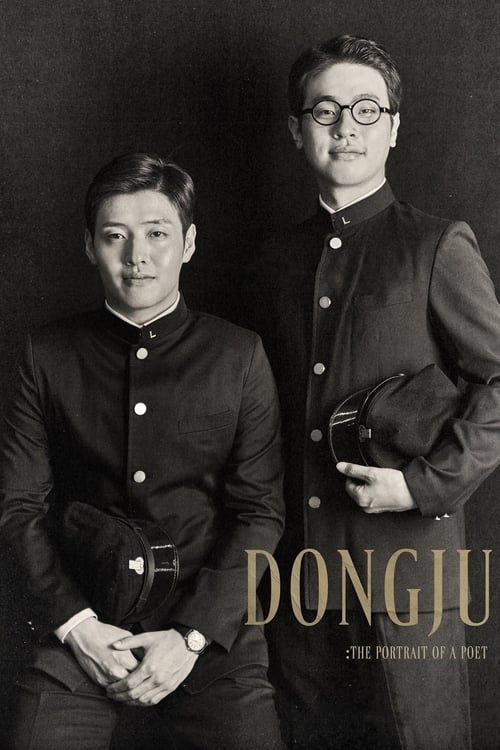
2016
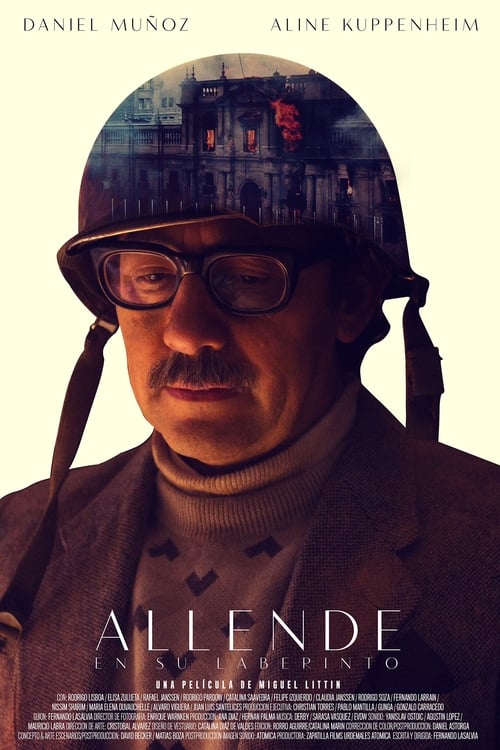
2014
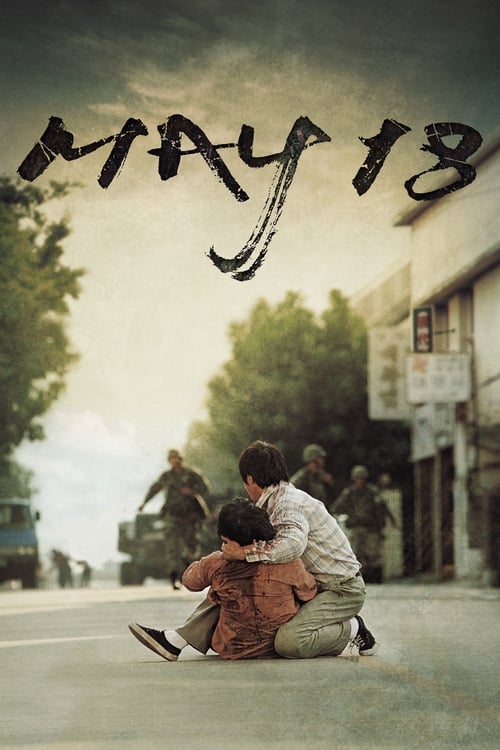
2007
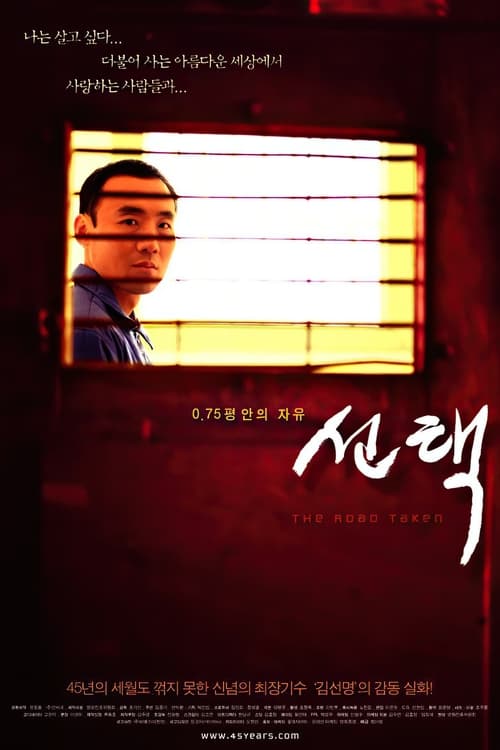
2003

2006
No reviews yet. Be the first to share your thoughts on this movie!
Use the rating form above to leave a star rating and optional review.