Young Chopin
1952
No user ratings available yet
Diversity score: 2.6 out of 10
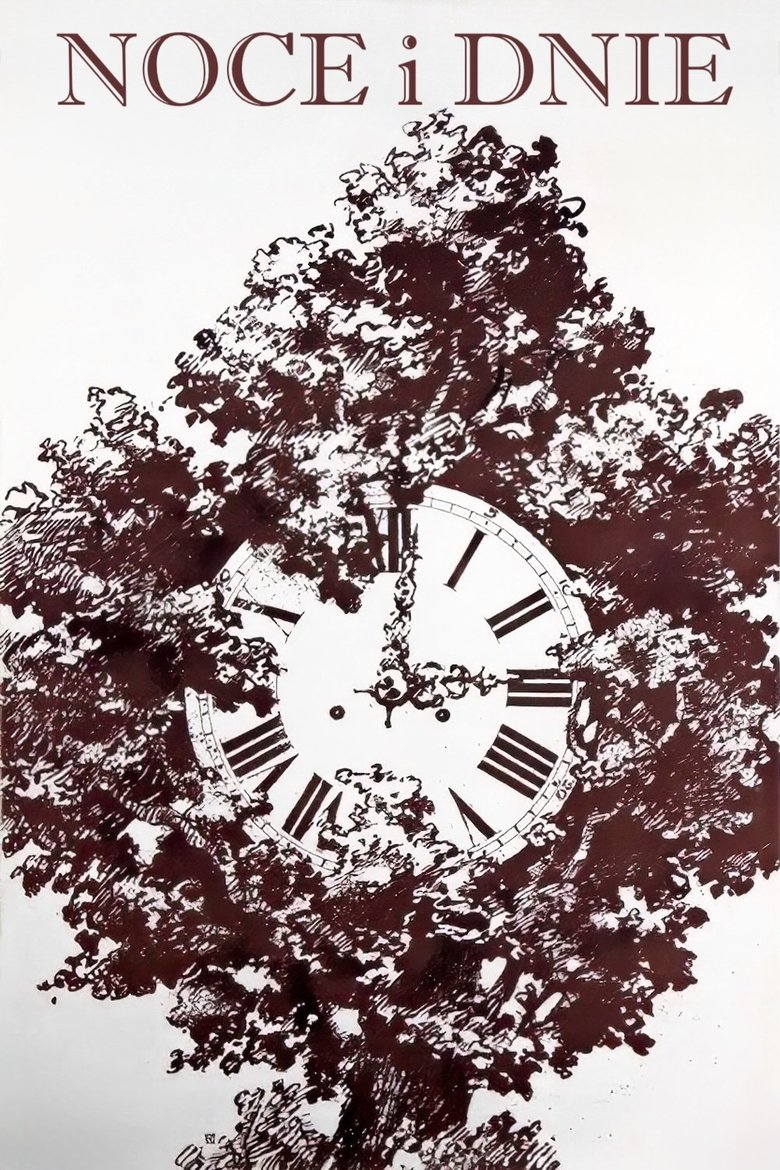
1975
Director
Jerzy Antczak
Runtime
245 minutes
Average Rating
No ratings yetSynopsis
A family saga of Barbara Ostrzeńska-Niechcic and Bogumił Niechcic against the backdrop of the January Uprising of 1863 and World War I. The film is a rather straightforward and faithful adaptation of a novel by Maria Dabrowska with the same title. The plot is woven around the changing fortunes of a noble (upper-class) Niechcic family in the pre-WWI Poland. There are two main crossing threads: a social history one and an existential one.
Overall Score
Limited
Category Breakdown
LGBTQ+ Representation
The film adheres to a strict 19th-century historical framework. It lacks non-cisnormative gender identities or same-sex romantic narratives, focusing instead on traditional romantic entanglements.
Gender Representation
Female characters demonstrate agency through intellectual and social navigation within aristocratic structures. While they show psychological complexity, the film does not actively subvert traditional gender hierarchies.
Racial & Ethnic Diversity
The cast is ethnically homogeneous, reflecting the demographic realities of the 19th-century Polish nobility. There is no evidence of race-bent casting or diverse ethnic representation.
Religious & Cultural Diversity
The narrative critiques established social orders by focusing on the decay of the landed aristocracy. It explores the tension between tradition and modernity through a lens of class deconstruction.
Disability Representation
There are no prominent depictions of visible or invisible disabilities. Characters with disabilities are not utilized as central plot devices within the story.
Strengths
Areas for Improvement
AI Analysis
Nights and Days is a period-specific drama that prioritizes historical realism and the psychological nuances of the Polish aristocracy. It functions as a study of socioeconomic shifts rather than a vehicle for contemporary identity politics. The film's primary focus is the erosion of traditional power structures and the transition from old social orders to modernity. This provides a degree of progressive value through its deconstruction of the upper class. However, the work lacks modern intersectional markers. The absence of LGBTQ+ representation and racial diversity reflects its commitment to a specific, homogeneous historical setting.
1952
1965

1957
1987

2022
2003
2013
1966

1981
1976
1931

2001
No reviews yet. Be the first to share your thoughts on this movie!
Use the rating form above to leave a star rating and optional review.